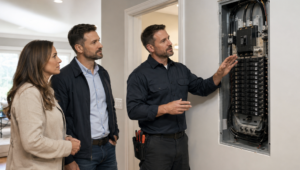
In real estate, safety is often judged by what people can see first. Buyers notice the roof, the flooring, the windows, the landscaping, the appliances, and the general condition of a property. Investors look at location, rental income, curb appeal, renovation potential, and resale value. Property managers think about tenant comfort, maintenance schedules, and liability protection. But some of the most important safety features in a building are not immediately visible. They are hidden behind walls, inside panels, and within the electrical systems that power everyday life.
That is why a component like the MBK150A deserves attention on a real estate website. It may not be the kind of product that gets photographed in a listing or highlighted in a property brochure, but electrical safety plays a major role in protecting homes, commercial buildings, rental properties, and long-term investments.
Real estate safety is not only about locks, cameras, smoke detectors, or structural repairs. It is also about making sure the unseen systems are dependable. A safe property gives buyers confidence, helps tenants feel protected, supports smoother inspections, and may reduce the risk of costly emergencies. When electrical parts are overlooked, small issues can become expensive problems. When they are respected, inspected, and properly maintained, they can help protect the people and property that matter most. 🏠
Why Electrical Safety Matters in Real Estate
Every modern property depends on electricity. From lighting and HVAC systems to kitchen appliances, security systems, water heaters, office equipment, and smart technology, electricity supports nearly every part of daily living and business operations. In residential real estate, electrical reliability affects comfort and safety. In commercial real estate, it can affect productivity, tenant satisfaction, insurance concerns, and business continuity.
The electrical panel is one of the most important control points in a property. It distributes power and houses protective devices that are designed to help manage electrical flow. According to Wikipedia’s explanation of a circuit breaker, a circuit breaker is an electrical safety device designed to protect an electrical circuit from damage caused by excess current. That simple explanation matters because real estate owners are not just buying walls and land. They are buying systems, responsibilities, and risk.
When an electrical system is outdated, overloaded, improperly repaired, or neglected, it can create safety concerns. Flickering lights, frequently tripped breakers, warm outlets, buzzing sounds, burning smells, or signs of panel damage should never be ignored. For a homeowner, these may be warning signs that something needs professional attention. For a real estate investor, they may indicate a maintenance issue that could affect property value. For a property manager, they may become tenant safety concerns that require quick action.
Electrical safety is also closely connected to trust. A buyer is more likely to feel confident when inspection reports show that major systems have been cared for. A tenant is more likely to renew a lease when they feel the property is properly maintained. A commercial tenant is more likely to respect a landlord who takes building systems seriously. Real estate safety starts with visible care, but it is strengthened by the hidden systems working behind the scenes.
The MBK150A and the Hidden Value of Reliable Components
The MBK150A – SIEMENS Circuit Breaker is the kind of electrical component that may seem small compared to the price of a building, yet it can matter greatly in the bigger picture of property safety and maintenance. Real estate professionals understand that small details often have large consequences. A minor roof leak can become mold damage. A loose handrail can become a liability issue. A neglected electrical component can become a safety concern.
A circuit breaker is not decorative. It is not there to impress buyers during a showing. It is there because electrical systems need protection and control. In real estate, that makes components like the MBK150A part of a larger property safety conversation. The goal is not simply to have power. The goal is to have power distributed through systems that are appropriate, maintained, and handled by qualified professionals.
For property owners, the value of paying attention to parts like this comes down to prevention. Preventive maintenance is often less costly than emergency repair. It is also less stressful. When electrical issues appear during a closing, renovation, insurance review, or tenant complaint, they can delay progress and create unnecessary pressure. Taking electrical components seriously before trouble starts can support smoother ownership and better long-term planning.
In real estate, people often talk about “good bones.” That phrase usually refers to structure, layout, location, and quality construction. But a property’s “bones” also include the systems that keep it functioning safely. Electrical components may not be glamorous, but they are part of what makes a building dependable.
Real Estate Safety News Is Not Just About Crime or Weather
When people hear the phrase real estate safety news, they may think about neighborhood crime, natural disasters, security systems, insurance claims, or personal safety during showings. Those topics are important, but they are not the whole picture. Real estate safety also includes electrical fire prevention, healthy housing, building maintenance, and property risk management.
The National Association of Realtors safety resources remind real estate professionals that safety should be part of the way they serve clients and communities. While many real estate safety conversations focus on personal safety during showings or meetings, the broader principle still applies: safer practices create stronger trust. When agents, investors, landlords, and property owners pay attention to safety details, they help raise the standard of care in the industry.
Electrical safety fits naturally into that standard. A home may look beautiful online, but if the electrical panel is outdated or improperly maintained, the property may carry hidden concerns. A rental property may be fully occupied, but if tenants constantly report electrical issues, the owner should take action. A commercial property may attract a strong tenant, but if the electrical infrastructure cannot support the use of the space, it may affect operations.
Real estate safety news should include the practical systems that keep buildings livable, rentable, insurable, and valuable. Circuit breakers, panels, smoke alarms, wiring, outlets, grounding, and professional inspections are all part of the safety story.
Electrical Fire Prevention and Property Protection
Electrical fires are a serious concern for property owners. The U.S. Fire Administration shares appliance and electrical fire safety guidance through FEMA’s electrical fire prevention resources, emphasizing that electricity is something many people take for granted even though it carries real fire risks. For real estate owners, that point should not be overlooked.
A property can recover from many problems, but fire damage can be devastating. It can displace families, interrupt business operations, destroy personal belongings, damage structural materials, and create a long road of restoration, insurance claims, and repairs. In rental real estate, fire concerns can also affect tenant trust. In commercial real estate, they can affect leases, operations, and reputation.
Electrical fire prevention is not about fear. It is about responsibility. Property owners should pay attention to breaker performance, panel condition, outlet safety, appliance loads, and signs of overheating. They should also work with licensed electricians when repairs, replacements, upgrades, or inspections are needed. Real estate professionals should encourage clients not to treat electrical concerns as minor annoyances.
The National Fire Protection Association’s electrical safety information also highlights the importance of electrical safety in the home. That kind of authority matters when creating trustworthy real estate content because it connects property ownership to recognized safety education.
Why Investors and Property Managers Should Pay Attention
Real estate investors often focus on return. They look at purchase price, renovation budget, rent potential, appreciation, taxes, insurance, and maintenance costs. But safety is part of return because unsafe or poorly maintained systems can damage profitability. Electrical problems can delay renovations, create failed inspections, lead to tenant complaints, and require urgent repairs at the worst possible time.
Property managers also need to think about consistency. One property with electrical issues is stressful. A portfolio with multiple properties and no maintenance plan can become a major operational problem. Keeping records of inspections, repairs, panel updates, and electrical service work can help managers stay organized and show that the property is being handled with care.
The Consumer Product Safety Commission’s home wiring hazard guide is another useful authority resource because it explains common wiring hazards in a consumer-friendly way. For real estate owners, education like this can help them understand why electrical systems should not be ignored or handled casually.
The MBK150A is one example of how specific electrical components fit into this larger responsibility. Property owners should never guess when it comes to breaker compatibility or installation. The right part must be selected for the right application, and electrical work should be done by qualified professionals. However, knowing that these components matter can help real estate owners ask better questions and make better maintenance decisions.
Inspections, Due Diligence, and Safer Real Estate Decisions
During a real estate transaction, inspections are one of the most important tools a buyer has. A good inspection helps reveal what may not be visible during a showing. Electrical panels, outlets, grounding, wiring concerns, and breaker issues can all become part of the inspection conversation. Buyers may use this information to request repairs, negotiate terms, or decide whether they are comfortable moving forward.
InterNACHI provides information about electrical service panels, including reminders that electrical panel inspections involve serious safety concerns and should be approached carefully. That message is important for buyers and sellers alike. Electrical panels are not a place for guessing, poking around, or casual do-it-yourself work. They require respect and proper training.
For sellers, dealing with known electrical issues before listing can help avoid surprises. For buyers, understanding the condition of the electrical system can prevent regret. For agents, encouraging proper inspections can help protect clients. For investors, electrical due diligence can shape renovation budgets and timelines.
Real estate safety starts before the contract is signed. It continues through ownership, maintenance, renovation, leasing, and resale. Every stage benefits from better awareness of hidden systems.
Healthy Homes Include Safe Electrical Systems
A healthy property is not just clean. It is safe, functional, and maintained. The U.S. Department of Housing and Urban Development supports the idea of healthier homes through its Healthy Homes program, which focuses on reducing hazards in homes and improving living conditions. While many healthy home conversations involve air quality, moisture, lead, pests, and ventilation, electrical safety also belongs in the broader conversation of responsible housing.
For landlords, this matters because tenants deserve homes that are maintained with care. For homeowners, it matters because families rely on the safety of the systems around them every day. For real estate professionals, it matters because safer homes support stronger communities.
A property does not have to be luxury real estate for electrical safety to matter. Small homes, large homes, apartments, offices, retail spaces, warehouses, and mixed-use properties all depend on safe electrical systems. The price point may change, but the responsibility does not.
Conclusion
Real estate safety truly does start behind the walls. It starts in the wiring, the panels, the breakers, the inspections, and the maintenance decisions that many people never see. The MBK150A – SIEMENS Circuit Breaker may be a small electrical part, but it represents a much larger truth: hidden components can play a meaningful role in protecting property, people, and long-term investments.
For homeowners, paying attention to electrical safety can help protect family life. For investors, it can help protect returns. For landlords and property managers, it can help protect tenants and reduce emergency maintenance stress. For real estate professionals, it creates another opportunity to educate clients and build trust.
A beautiful property should also be a safe property. Strong curb appeal may get attention, but dependable systems help create confidence. When real estate owners respect what is behind the walls, they make better decisions for what happens inside the walls. That is why the MBK150A deserves attention, not as a flashy feature, but as part of the deeper safety foundation every property should have.