Author: Alexa Lawson

Palm Beach Decorative Concrete Is Transforming Real Estate With High-End Outdoor Living Spaces

Real Estate News for Palm Beach Decorative Concrete

Palm Beach real estate has always been closely tied to lifestyle. Buyers are drawn to elegant homes, tropical landscaping, sparkling pools and spaces that make it possible to enjoy South Florida’s warm climate throughout the year. Today, outdoor areas are becoming even more important in the way properties are designed, marketed and experienced. A basic patio or aging pool deck no longer creates the same impression as a carefully planned outdoor environment that feels like an extension of the home.

Decorative concrete is playing a major role in this transformation. Through resurfacing, texturing, staining and custom finishes, contractors can turn ordinary concrete into attractive surfaces that complement luxury architecture and coastal landscaping. The result can resemble natural stone, tile, slate, brick or other premium materials while retaining the practical benefits associated with concrete.

For homeowners, investors and real estate professionals, these improvements represent more than a change in appearance. A beautiful driveway, patio, walkway or pool deck can strengthen curb appeal, create a memorable first impression and help potential buyers imagine a complete Palm Beach lifestyle.

Outdoor Living Has Become a Real Estate Priority 🌴

Outdoor living space has moved from a pleasant extra to an important feature in residential real estate. Buyers increasingly want areas where they can entertain guests, dine outside, relax beside the pool or enjoy a quiet evening without leaving home. This trend is especially relevant in Palm Beach County, where the climate supports outdoor activities during much of the year.

Research from the National Association of Realtors has examined the financial and personal benefits associated with outdoor remodeling projects. These improvements can increase homeowner enjoyment while also making a property more attractive when it reaches the market. Patios, landscape upgrades, fire features, lighting and outdoor kitchens can all contribute to a stronger connection between the house and its surroundings.

The University of Florida’s guidance on outdoor living spaces also recognizes the many forms these areas can take, from comfortable seating arrangements to poolside structures and dining spaces. Decorative concrete provides the foundation that brings many of those features together. It can define activity zones, connect separate parts of the property and establish a consistent visual style.

Decorative Concrete Creates a More Polished First Impression 🏡

The exterior of a home begins shaping a buyer’s opinion before the front door opens. A faded driveway, cracked walkway or dated patio can make an otherwise attractive property feel neglected. In contrast, a clean and coordinated hardscape communicates care, quality and attention to detail.

Professional Palm Beach Decorative Concrete services can update driveways, patios, walkways, pool decks and other exterior surfaces with colors and textures selected to suit the property. A Mediterranean-style residence may benefit from warm stone-inspired tones, while a contemporary home may look best with a smooth finish and restrained color palette.

These choices matter because exterior features appear prominently in listing photographs, virtual tours and social media promotions. An attractive driveway can frame the front elevation, while a finished pool deck can help create the resort-style image often associated with Palm Beach living. Strong visual presentation gives real estate agents more compelling material for marketing and helps listings stand apart in a crowded digital environment.

Florida Realtors has reported on the importance of curb appeal in real estate, noting that outdoor improvements receive high satisfaction ratings from homeowners. Decorative concrete supports that appeal by replacing dull, inconsistent surfaces with designs that feel intentional and connected to the home.

Pool Decks Are Becoming Resort-Style Showpieces ☀️

Pools are central to many Palm Beach outdoor environments, but the deck surrounding a pool influences the appearance and usability of the entire area. A carefully finished surface can visually connect the water, landscaping, outdoor furniture and architecture. It can also help a standard backyard feel like a private retreat.

Decorative treatments allow homeowners to create the appearance of stone, tile or other upscale materials without relying on a plain concrete slab. Colors can be chosen to coordinate with the home’s roof, exterior paint, pool finish and surrounding vegetation. Borders and contrasting design elements can define seating areas, outdoor kitchens or pathways.

Texture deserves equal attention. Pool areas need surfaces appropriate for wet conditions, and material selection should account for comfort, drainage and maintenance. Property owners should discuss slip resistance, surface temperature, sealers and ongoing care with a qualified contractor before selecting a system.

These practical decisions are important because a successful pool deck must perform as well as it photographs. The finest design supports everyday use while preserving the clean, elevated appearance buyers expect from high-end Florida real estate.

Patios Are Functioning Like Additional Rooms 🍽️

A well-planned patio can serve as an outdoor dining room, lounge, entertainment area or flexible gathering space. When the flooring looks finished and coordinated with the house, the patio feels connected to the interior instead of appearing like an unrelated slab in the backyard.

Decorative concrete can help establish this sense of continuity. Homeowners may select colors that echo interior flooring, exterior masonry or architectural accents. Patterns can define separate areas for dining, conversation and cooking without requiring walls. The surface becomes part of the overall design rather than a purely functional element.

According to the Wikipedia overview of decorative concrete, the material can be enhanced through methods that include stamping, staining, overlays and polishing. This range of treatments gives property owners considerable design flexibility. A contractor can often adapt the finish to a traditional estate, coastal residence, modern home or investment property without forcing the same appearance onto every project.

A visually cohesive patio can also make a property feel larger. Although the area does not become indoor square footage, it expands the usable lifestyle offered by the home. Buyers can immediately envision morning coffee, family dinners, weekend gatherings and quiet evenings outdoors.

Resurfacing Can Renew Existing Real Estate Assets 🔨

Complete demolition is not always the only way to improve an existing concrete surface. Depending on its condition, some concrete may be suitable for resurfacing or the application of a decorative overlay. This can give an older area a dramatically different appearance while preserving an existing structural base.

The condition of the concrete must be evaluated before work begins. Significant movement, drainage problems, deep structural cracks or an unstable foundation may require repairs beyond a cosmetic treatment. Experienced contractors examine these issues and recommend an approach based on the actual surface rather than appearance alone.

For property investors, resurfacing can be particularly valuable when preparing a home for sale or rent. Updating a prominent patio, walkway or pool surround can refresh the exterior and improve listing photographs without requiring changes to every part of the property. Strategic improvements often have the greatest impact when they address surfaces that buyers see immediately or use frequently.

The Palm Beach County Property Appraiser provides public access to real property information, but homeowners should remember that market value, assessed value and the cost of an individual improvement are separate considerations. Decorative upgrades may support marketability and buyer interest, while their precise financial effect depends on the property, neighborhood, workmanship and current market conditions.

Design Choices Can Reflect the Palm Beach Lifestyle 🌊

Palm Beach properties span a wide architectural range, including coastal cottages, condominium residences, Mediterranean-inspired estates and sleek contemporary homes. Decorative concrete can be customized to support these different identities.

Lighter finishes often pair well with coastal surroundings and may create a bright, relaxed atmosphere. Warm earth tones can complement traditional architecture and tropical landscaping. Subtle gray finishes may suit modern homes with clean lines, glass walls and minimalist outdoor furniture. Custom borders can add definition without overwhelming the design.

The strongest results usually come from treating the entire exterior as one composition. The driveway, front walk, patio and pool deck do not have to match exactly, but they should feel related. Repeating a color, texture or border treatment can create continuity as visitors move through the property.

Landscaping also plays a role. The University of Florida’s Florida-Friendly Landscaping principles encourage practices that conserve water, reduce waste and protect natural resources. Decorative hardscaping can work alongside appropriate plant selection, drainage planning and efficient irrigation to create an outdoor space that is both attractive and better suited to Florida conditions.

Outdoor Improvements Can Strengthen a Property’s Market Position 📈

Real estate buyers compare more than bedroom counts and interior finishes. They also compare the experience each property offers. A home with a cohesive outdoor environment can make a stronger emotional impression than a similar residence with unfinished or poorly maintained exterior areas.

Florida Realtors has highlighted patios, exterior lighting and front porches among features buyers desire. Decorative concrete can support each of these elements by creating attractive, durable surfaces that visually organize the property.

Sellers should still approach improvements with realistic expectations. No single renovation guarantees a particular sale price or return. The final outcome depends on location, comparable sales, overall property condition, buyer demand and the quality of the work. The Florida Department of Revenue explains that county property appraisers establish property values each year, reinforcing the distinction between a design improvement and a formal assessment.

The broader housing market also affects renovation decisions. The U.S. Census Bureau’s housing resources track information involving home values, construction, mortgages and housing characteristics. Local property improvements take place within this larger economic environment, making careful planning essential.

Quality Installation Protects the Investment 🛠️

The appearance of decorative concrete depends heavily on surface preparation and installation quality. Cleaning, repairing, leveling and preparing the underlying surface are essential steps. Skipping them can lead to poor bonding, visible defects or premature deterioration.

Property owners should also consider Palm Beach’s sun, rain, humidity and exposure to pool chemicals. The chosen system should be suitable for the location and intended use. Sealers may help protect color and resist stains, although they require proper application and periodic maintenance. Contractors should provide clear instructions for cleaning, resealing and protecting the finished surface.

Before beginning a project, owners should review local permitting requirements, association restrictions and any rules affecting exterior modifications. Color samples should be viewed under natural light whenever possible because outdoor conditions can change how a finish appears. A small sample area can help confirm that the selected tone and texture work with the house.

Conclusion

Decorative concrete is helping reshape Palm Beach real estate by turning functional exterior surfaces into high-end outdoor living environments. Driveways are becoming architectural introductions, patios are functioning as additional gathering spaces, and pool decks are taking on the atmosphere of private resorts.

The strongest projects balance beauty with practical considerations such as drainage, traction, climate exposure and maintenance. They also respect the architectural identity of the home and connect naturally with surrounding landscaping.

For sellers, these improvements can strengthen curb appeal and create more powerful marketing images. For buyers and homeowners, they can make a property more enjoyable long after the transaction is complete. As outdoor living continues to influence Florida real estate, decorative concrete stands out as a versatile way to bring design, function and lifestyle together.

Real Estate Safety Starts Behind the Walls: Why the MBK150A – SIEMENS Circuit Breaker Deserves Attention

Real Estate News for MBK150A

In real estate, safety is often judged by what people can see first. Buyers notice the roof, the flooring, the windows, the landscaping, the appliances, and the general condition of a property. Investors look at location, rental income, curb appeal, renovation potential, and resale value. Property managers think about tenant comfort, maintenance schedules, and liability protection. But some of the most important safety features in a building are not immediately visible. They are hidden behind walls, inside panels, and within the electrical systems that power everyday life.

That is why a component like the MBK150A deserves attention on a real estate website. It may not be the kind of product that gets photographed in a listing or highlighted in a property brochure, but electrical safety plays a major role in protecting homes, commercial buildings, rental properties, and long-term investments.

Real estate safety is not only about locks, cameras, smoke detectors, or structural repairs. It is also about making sure the unseen systems are dependable. A safe property gives buyers confidence, helps tenants feel protected, supports smoother inspections, and may reduce the risk of costly emergencies. When electrical parts are overlooked, small issues can become expensive problems. When they are respected, inspected, and properly maintained, they can help protect the people and property that matter most. 🏠

Why Electrical Safety Matters in Real Estate

Every modern property depends on electricity. From lighting and HVAC systems to kitchen appliances, security systems, water heaters, office equipment, and smart technology, electricity supports nearly every part of daily living and business operations. In residential real estate, electrical reliability affects comfort and safety. In commercial real estate, it can affect productivity, tenant satisfaction, insurance concerns, and business continuity.

The electrical panel is one of the most important control points in a property. It distributes power and houses protective devices that are designed to help manage electrical flow. According to Wikipedia’s explanation of a circuit breaker, a circuit breaker is an electrical safety device designed to protect an electrical circuit from damage caused by excess current. That simple explanation matters because real estate owners are not just buying walls and land. They are buying systems, responsibilities, and risk.

When an electrical system is outdated, overloaded, improperly repaired, or neglected, it can create safety concerns. Flickering lights, frequently tripped breakers, warm outlets, buzzing sounds, burning smells, or signs of panel damage should never be ignored. For a homeowner, these may be warning signs that something needs professional attention. For a real estate investor, they may indicate a maintenance issue that could affect property value. For a property manager, they may become tenant safety concerns that require quick action.

Electrical safety is also closely connected to trust. A buyer is more likely to feel confident when inspection reports show that major systems have been cared for. A tenant is more likely to renew a lease when they feel the property is properly maintained. A commercial tenant is more likely to respect a landlord who takes building systems seriously. Real estate safety starts with visible care, but it is strengthened by the hidden systems working behind the scenes.

The MBK150A and the Hidden Value of Reliable Components

The MBK150A – SIEMENS Circuit Breaker is the kind of electrical component that may seem small compared to the price of a building, yet it can matter greatly in the bigger picture of property safety and maintenance. Real estate professionals understand that small details often have large consequences. A minor roof leak can become mold damage. A loose handrail can become a liability issue. A neglected electrical component can become a safety concern.

A circuit breaker is not decorative. It is not there to impress buyers during a showing. It is there because electrical systems need protection and control. In real estate, that makes components like the MBK150A part of a larger property safety conversation. The goal is not simply to have power. The goal is to have power distributed through systems that are appropriate, maintained, and handled by qualified professionals.

For property owners, the value of paying attention to parts like this comes down to prevention. Preventive maintenance is often less costly than emergency repair. It is also less stressful. When electrical issues appear during a closing, renovation, insurance review, or tenant complaint, they can delay progress and create unnecessary pressure. Taking electrical components seriously before trouble starts can support smoother ownership and better long-term planning.

In real estate, people often talk about “good bones.” That phrase usually refers to structure, layout, location, and quality construction. But a property’s “bones” also include the systems that keep it functioning safely. Electrical components may not be glamorous, but they are part of what makes a building dependable.

Real Estate Safety News Is Not Just About Crime or Weather

When people hear the phrase real estate safety news, they may think about neighborhood crime, natural disasters, security systems, insurance claims, or personal safety during showings. Those topics are important, but they are not the whole picture. Real estate safety also includes electrical fire prevention, healthy housing, building maintenance, and property risk management.

The National Association of Realtors safety resources remind real estate professionals that safety should be part of the way they serve clients and communities. While many real estate safety conversations focus on personal safety during showings or meetings, the broader principle still applies: safer practices create stronger trust. When agents, investors, landlords, and property owners pay attention to safety details, they help raise the standard of care in the industry.

Electrical safety fits naturally into that standard. A home may look beautiful online, but if the electrical panel is outdated or improperly maintained, the property may carry hidden concerns. A rental property may be fully occupied, but if tenants constantly report electrical issues, the owner should take action. A commercial property may attract a strong tenant, but if the electrical infrastructure cannot support the use of the space, it may affect operations.

Real estate safety news should include the practical systems that keep buildings livable, rentable, insurable, and valuable. Circuit breakers, panels, smoke alarms, wiring, outlets, grounding, and professional inspections are all part of the safety story.

Electrical Fire Prevention and Property Protection

Electrical fires are a serious concern for property owners. The U.S. Fire Administration shares appliance and electrical fire safety guidance through FEMA’s electrical fire prevention resources, emphasizing that electricity is something many people take for granted even though it carries real fire risks. For real estate owners, that point should not be overlooked.

A property can recover from many problems, but fire damage can be devastating. It can displace families, interrupt business operations, destroy personal belongings, damage structural materials, and create a long road of restoration, insurance claims, and repairs. In rental real estate, fire concerns can also affect tenant trust. In commercial real estate, they can affect leases, operations, and reputation.

Electrical fire prevention is not about fear. It is about responsibility. Property owners should pay attention to breaker performance, panel condition, outlet safety, appliance loads, and signs of overheating. They should also work with licensed electricians when repairs, replacements, upgrades, or inspections are needed. Real estate professionals should encourage clients not to treat electrical concerns as minor annoyances.

The National Fire Protection Association’s electrical safety information also highlights the importance of electrical safety in the home. That kind of authority matters when creating trustworthy real estate content because it connects property ownership to recognized safety education.

Why Investors and Property Managers Should Pay Attention

Real estate investors often focus on return. They look at purchase price, renovation budget, rent potential, appreciation, taxes, insurance, and maintenance costs. But safety is part of return because unsafe or poorly maintained systems can damage profitability. Electrical problems can delay renovations, create failed inspections, lead to tenant complaints, and require urgent repairs at the worst possible time.

Property managers also need to think about consistency. One property with electrical issues is stressful. A portfolio with multiple properties and no maintenance plan can become a major operational problem. Keeping records of inspections, repairs, panel updates, and electrical service work can help managers stay organized and show that the property is being handled with care.

The Consumer Product Safety Commission’s home wiring hazard guide is another useful authority resource because it explains common wiring hazards in a consumer-friendly way. For real estate owners, education like this can help them understand why electrical systems should not be ignored or handled casually.

The MBK150A is one example of how specific electrical components fit into this larger responsibility. Property owners should never guess when it comes to breaker compatibility or installation. The right part must be selected for the right application, and electrical work should be done by qualified professionals. However, knowing that these components matter can help real estate owners ask better questions and make better maintenance decisions.

Inspections, Due Diligence, and Safer Real Estate Decisions

During a real estate transaction, inspections are one of the most important tools a buyer has. A good inspection helps reveal what may not be visible during a showing. Electrical panels, outlets, grounding, wiring concerns, and breaker issues can all become part of the inspection conversation. Buyers may use this information to request repairs, negotiate terms, or decide whether they are comfortable moving forward.

InterNACHI provides information about electrical service panels, including reminders that electrical panel inspections involve serious safety concerns and should be approached carefully. That message is important for buyers and sellers alike. Electrical panels are not a place for guessing, poking around, or casual do-it-yourself work. They require respect and proper training.

For sellers, dealing with known electrical issues before listing can help avoid surprises. For buyers, understanding the condition of the electrical system can prevent regret. For agents, encouraging proper inspections can help protect clients. For investors, electrical due diligence can shape renovation budgets and timelines.

Real estate safety starts before the contract is signed. It continues through ownership, maintenance, renovation, leasing, and resale. Every stage benefits from better awareness of hidden systems.

Healthy Homes Include Safe Electrical Systems

A healthy property is not just clean. It is safe, functional, and maintained. The U.S. Department of Housing and Urban Development supports the idea of healthier homes through its Healthy Homes program, which focuses on reducing hazards in homes and improving living conditions. While many healthy home conversations involve air quality, moisture, lead, pests, and ventilation, electrical safety also belongs in the broader conversation of responsible housing.

For landlords, this matters because tenants deserve homes that are maintained with care. For homeowners, it matters because families rely on the safety of the systems around them every day. For real estate professionals, it matters because safer homes support stronger communities.

A property does not have to be luxury real estate for electrical safety to matter. Small homes, large homes, apartments, offices, retail spaces, warehouses, and mixed-use properties all depend on safe electrical systems. The price point may change, but the responsibility does not.

Conclusion

Real estate safety truly does start behind the walls. It starts in the wiring, the panels, the breakers, the inspections, and the maintenance decisions that many people never see. The MBK150A – SIEMENS Circuit Breaker may be a small electrical part, but it represents a much larger truth: hidden components can play a meaningful role in protecting property, people, and long-term investments.

For homeowners, paying attention to electrical safety can help protect family life. For investors, it can help protect returns. For landlords and property managers, it can help protect tenants and reduce emergency maintenance stress. For real estate professionals, it creates another opportunity to educate clients and build trust.

A beautiful property should also be a safe property. Strong curb appeal may get attention, but dependable systems help create confidence. When real estate owners respect what is behind the walls, they make better decisions for what happens inside the walls. That is why the MBK150A deserves attention, not as a flashy feature, but as part of the deeper safety foundation every property should have.

The Value of Online Automotive Training for Real Estate Professionals

Real Estate News for Automotive training online

Real estate professionals work in a field that depends on timing, accuracy, trust, and the ability to guide people through decisions that carry financial and emotional weight. Even a broad overview of real estate shows how much the profession touches law, finance, property use, negotiation, and long-term asset value. That wide scope is exactly why cross-industry learning can be so useful. A real estate professional does not need to become a mechanic to benefit from technical education built for another field. In fact, there is real value in looking outside the usual real estate playbook and learning from industries that run on diagnostics, systems, service quality, and practical problem-solving. That is one reason Automotive training online can offer surprising value to professionals in real estate who want sharper thinking, better client service, and a stronger business mindset.

Why Cross-Industry Learning Matters in Real Estate

The best real estate professionals do not grow by staying locked inside one lane. They grow by studying how other industries solve pressure, manage complexity, and create confidence with clients. Automotive education is especially useful because it teaches structured thinking. It trains people to identify symptoms, trace causes, review options, explain risk, and recommend action with clarity. That same pattern applies every day in real estate. Agents, brokers, property managers, and investors constantly assess issues, sort through incomplete information, and help clients make informed choices. Professionals who stay current with sources such as NAR Real Estate News and Inman already understand that the market rewards adaptability, insight, and operational discipline. Automotive-based learning reinforces those same strengths from a different angle, which can make a real estate professional more rounded and more effective.

Technical Thinking Creates Better Property Judgment

One of the biggest advantages of automotive-oriented learning is the diagnostic mindset it builds. In the automotive world, guessing is expensive. Professionals are trained to observe carefully, separate surface symptoms from root causes, and document what they find before making recommendations. Real estate professionals benefit from that same habit. A property showing, inspection discussion, renovation estimate, or commercial site visit all become stronger when the person leading the conversation knows how to think in systems rather than react only to appearances.

That mindset helps with far more than defects or maintenance concerns. It improves how a professional evaluates timelines, vendor performance, tenant issues, financing hurdles, and project readiness. A real estate professional who learns to think like a diagnostician tends to miss less, communicate more clearly, and avoid weak assumptions. In a market where credibility matters, that difference is powerful. Publications such as HousingWire continue to show how much the industry values professionals who can interpret change rather than simply react to it. Training that strengthens disciplined observation supports exactly that kind of leadership.

Process Discipline Builds Trust With Clients

Trust in real estate is not built by charisma alone. It is built by consistency. Clients notice whether deadlines are respected, whether information is explained clearly, whether risks are addressed early, and whether follow-through feels steady from beginning to end. Automotive learning often emphasizes repeatable process, documented service steps, and clear explanations for recommended action. Those habits carry over beautifully into real estate.

When buyers, sellers, landlords, tenants, or investors work with someone who communicates with order and confidence, they feel safer. They sense that the professional is not improvising through important decisions. That matters in a business where emotions run high and timelines can change quickly. A process-focused professional is more likely to confirm details, prepare clients for next steps, and reduce confusion before it grows. Real estate is full of moving pieces, and that is why disciplined communication matters so much. Official sources such as HUD News remind professionals that housing-related policy, regulation, and public guidance continue to shape the environment in which deals happen. Professionals who combine people skills with a systems mindset are better equipped to lead clients through that environment with confidence.

Automotive Learning Supports a Stronger Operations Mindset

Many real estate professionals think of growth only in terms of leads, listings, or closings. Those are important, but operational strength is what keeps a business steady. Automotive education often teaches workflow discipline, scheduling awareness, inspection logic, service records, and accountability. In real estate, those same principles influence transaction flow, property readiness, vendor coordination, maintenance follow-up, marketing rollout, and post-close client care.

This matters even more when the market is shifting. Mortgage conditions, housing supply, construction pressures, and broader economic signals can all affect how quickly a transaction moves and how carefully professionals must guide expectations. Reliable industry sources such as MBA News and Research and NAHB Housing Economics exist because real estate professionals need timely insight into finance and housing conditions. A professional who also understands the value of technical systems and documented workflows is often better prepared to operate calmly when the market gets noisy. That kind of steadiness strengthens reputation and long-term client confidence.

It Improves Communication Without Making It Sound Overly Technical

Some of the strongest real estate professionals know how to explain complex matters in a way that feels simple and reassuring. That is also a skill developed in quality technical training. In automotive settings, professionals often need to translate mechanical issues into clear, everyday language so a customer understands what matters, what can wait, and what action makes sense. Real estate professionals do something very similar when they explain inspections, appraisals, title concerns, repair negotiations, financing updates, zoning limitations, or property condition reports.

This is where cross-industry training becomes especially practical. It does not just add knowledge. It sharpens the ability to organize information and deliver it with calm authority. Clients remember how a professional made them feel during uncertain moments. They remember whether the explanation helped them breathe easier or left them more confused. A real estate professional who communicates with technical clarity and personal steadiness stands out in a crowded market. That kind of communication builds referrals, repeat business, and a stronger brand over time.

It Encourages Respect for Maintenance, Longevity, and Asset Value

Real estate is about more than transactions. At its core, it is about assets. Automotive education reinforces a valuable principle that real estate professionals should understand deeply: assets perform better and hold value more effectively when they are maintained with attention and foresight. That principle applies to residential homes, rental portfolios, commercial properties, and even brand reputation.

Professionals who appreciate maintenance culture tend to advise clients more thoughtfully. They are more likely to discuss preventative care, ownership costs, deferred maintenance risks, upgrade priorities, and long-term value preservation with greater maturity. This gives them an edge, especially with serious buyers, investors, and commercial clients who want more than sales language. They want perspective. A real estate professional who speaks confidently about stewardship, systems, and upkeep often sounds more credible because that perspective feels grounded in real-world operational thinking rather than empty promotion.

It Helps Professionals Think Like Problem Solvers, Not Just Salespeople

There is a meaningful difference between selling and solving. The strongest real estate careers are built on solving. Clients want someone who can reduce friction, not increase it. They want someone who sees around corners, flags issues early, and creates a smoother path from uncertainty to action. Automotive-style education reinforces exactly that approach. It teaches people to respect detail, understand cause and effect, and move from observation to solution in an orderly way.

That problem-solving mindset can strengthen every corner of a real estate business. It improves the way professionals work with inspectors, contractors, lenders, title companies, photographers, stagers, and property owners. It also shapes the way they lead a team. A leader who values technical thinking usually builds better systems, creates clearer expectations, and runs a tighter operation. In a profession where many people sound similar on the surface, real problem-solving ability becomes a major differentiator.

Professionals Who Stay Informed Usually Perform With More Confidence

A strong real estate business is built on more than hustle. It is built on awareness. Professionals who regularly read respected industry sources tend to make better decisions because they are not operating in the dark. They understand policy shifts, financing pressure, construction movement, consumer sentiment, and the broader climate influencing buyer and seller behavior. Cross-industry education adds another layer to that awareness by helping professionals see how service, systems, and technical competence work together.

That combination matters. A professional who studies the market and also values disciplined training usually communicates with more authority because their confidence is rooted in substance. They are better at pattern recognition. They are less likely to overpromise. They tend to make stronger recommendations because they know how to weigh variables instead of chasing quick impressions. Over time, that strengthens both reputation and digital authority because quality insights attract stronger engagement, stronger trust signals, and more meaningful industry relevance.

Conclusion

The value of online automotive education for real estate professionals is not about changing careers. It is about sharpening the one they already have. Real estate rewards people who can think clearly, communicate calmly, document carefully, and guide clients through important decisions with steady judgment. Automotive-based learning supports those same qualities through technical discipline, systems awareness, service structure, and practical problem-solving.

For real estate professionals who want to grow beyond surface-level sales tactics, this kind of training offers something useful and lasting. It strengthens the habits behind credibility. It improves the quality of conversations. It deepens operational awareness. Most of all, it helps professionals become more trusted advisers in a field where trust is everything. When that happens, the benefit reaches far beyond knowledge alone. It reaches brand strength, client loyalty, and long-term business value.

Real Estate in Pennsylvania: What Property Owners Should Know About Mineral Rights

Real Estate News for mineral rights Pennsylvania

Real estate in Pennsylvania carries more history, complexity, and long-term value considerations than many property owners realize. A home, farm, commercial tract, wooded parcel, or inherited piece of land may look simple on the surface, but what sits underneath that land can carry a separate set of rights, responsibilities, and financial possibilities. That is where mineral rights become important. For buyers, sellers, investors, landowners, real estate agents, and families passing property from one generation to the next, understanding mineral rights can help protect value and prevent confusion during a real estate transaction.

Pennsylvania has a long connection to coal, oil, gas, limestone, clay, and other natural resources. That history still affects modern property ownership. In some cases, the person who owns the surface of the land may also own the minerals beneath it. In other cases, the mineral rights may have been sold, leased, reserved, inherited, or separated from the property decades ago. This can create uncertainty if the title history has not been reviewed carefully.

The Pennsylvania real estate market remains active across urban, suburban, rural, and energy-producing regions. Reports from the Pennsylvania Association of Realtors continue to show how inventory, pricing, and buyer activity shift across the Commonwealth. While most buyers focus on home condition, location, financing, inspections, and closing costs, mineral rights can become an important part of due diligence, especially in rural counties, agricultural areas, and regions with energy development history.

Why Mineral Rights Matter in Pennsylvania Real Estate

Mineral rights are the legal rights to access, extract, lease, sell, or receive income from minerals beneath a property. These rights may include oil, natural gas, coal, stone, or other underground resources depending on the location and deed language. In Pennsylvania, these rights can be part of the same ownership as the surface property, or they can be severed from the surface estate.

This matters because a property owner may purchase land believing they own everything connected to it, only to discover that a prior owner reserved the subsurface rights. In practical terms, the surface owner may own the house, yard, driveway, pasture, or timber, while another person or company may own some or all mineral interests below the land. That distinction can affect property value, sale negotiations, leasing opportunities, title insurance review, lending considerations, and future land use.

A property with intact mineral ownership may be more attractive in certain areas, especially when buyers understand the potential long-term value. A property with severed mineral rights may still be valuable, but the buyer needs clarity before closing. Real estate decisions become stronger when ownership rights are documented rather than assumed.

Pennsylvania’s Energy History and Its Impact on Property Ownership

Pennsylvania played a major role in the development of the American energy industry. The state has a long history of coal mining, oil production, natural gas activity, and shale development. The Marcellus Shale region, in particular, has drawn attention to subsurface ownership and leasing. According to the Pennsylvania Department of Environmental Protection, the state continues to regulate oil and gas development under environmental laws designed to protect public health, safety, and natural resources.

That regulatory oversight is separate from private property ownership. The DEP may regulate drilling activity, permitting, environmental compliance, and well oversight, but it does not determine who owns mineral rights in a private real estate matter. That ownership question typically comes from deeds, leases, title records, estate documents, and courthouse research.

This is why real estate professionals and property owners should take mineral rights seriously before a sale, purchase, refinance, lease, or estate transfer. The value of a property is not always limited to what is visible above ground. In many Pennsylvania counties, historic conveyances and old reservations can shape present-day ownership.

Surface Rights and Mineral Rights Are Not Always the Same

One of the most important concepts in Pennsylvania real estate is the difference between surface rights and mineral rights. Surface rights usually involve the visible use of the property, including homes, buildings, roads, landscaping, timber, farming, recreation, and development. Mineral rights involve the underground estate.

When the two are owned by the same person, the ownership is considered unified. When they are separated, the mineral estate may belong to someone else. That separation can happen through a deed reservation, sale, inheritance, lease, or agreement. Over time, ownership can become difficult to trace, especially if a property has been transferred many times.

The Pennsylvania Recorder of Deeds Association is a helpful place to understand the role of county records in property ownership. Deeds, mortgages, easements, rights-of-way, and other recorded documents can affect what a buyer actually receives. For mineral rights, the chain of title may need to be reviewed carefully to determine whether rights were reserved, conveyed, leased, or released.

This is where property owners often need more than a standard glance at the current deed. A proper review may require examining older deeds, legal descriptions, leases, assignments, estate records, and language that may not be easy to understand without experience.

How Mineral Rights Can Affect Buying and Selling Real Estate

For sellers, mineral rights can become a value point or a negotiation issue. If the seller owns both the surface and mineral rights, that may be worth highlighting in the transaction. If the seller does not own the mineral rights, that should be disclosed clearly where appropriate so the buyer understands what is being purchased.

For buyers, the concern is clarity. A buyer should know whether mineral rights transfer with the property, whether rights have been reserved by a prior owner, whether there are active leases, whether royalty interests exist, and whether any oil, gas, coal, or mineral activity could affect the property in the future. This is especially important for rural land, farms, acreage, timber tracts, and properties located near active or historic resource development.

Market conditions also matter. As the National Association of Realtors regularly reports on housing trends, buyers and sellers make decisions based on affordability, inventory, interest rates, and local demand. In Pennsylvania, mineral ownership can add another layer to that decision-making process. A buyer comparing two similar properties may view documented mineral ownership as an advantage, while uncertainty around severed rights may create hesitation.

For property owners who want a deeper review, working with a consultant familiar with mineral rights Pennsylvania can help bring clarity before decisions are made. This can be useful before listing a property, signing a lease, responding to an inquiry, or finalizing a purchase.

Why Title Research Is Essential

Title research is one of the strongest tools for understanding mineral rights. A title company may review property records for a transaction, but not every standard title search fully resolves complex mineral ownership questions. Mineral rights can require a more detailed review of historical records, especially when severances occurred generations ago.

In Pennsylvania, property ownership records are often maintained at the county level. This means mineral rights research may involve visiting or reviewing records from the county courthouse, recorder of deeds office, tax assessment office, or other local sources. Older documents may use legal descriptions, handwritten entries, outdated terminology, or references to prior books and pages.

The Pennsylvania Historical and Museum Commission offers insight into Pennsylvania’s public records and historic documentation environment, which reflects how deep the state’s property history can go. Because Pennsylvania is one of the original states with centuries of land transactions, property records may carry legal details that modern buyers and sellers do not notice at first.

Title research may uncover reservations, exceptions, old coal rights, oil and gas leases, pipeline easements, royalty assignments, or prior conveyances. Each discovery can affect how the property should be valued, marketed, insured, or negotiated.

Mineral Rights and Rural Pennsylvania Properties

Mineral rights tend to receive more attention in rural Pennsylvania than in dense urban settings, although the issue can technically apply to many types of property. Farms, hunting land, wooded acreage, mountain parcels, and family homesteads may have long ownership histories. Some have been passed down through families, while others have changed hands through estates, tax sales, subdivisions, or investment purchases.

For rural landowners, mineral rights can represent potential income, but they can also create obligations or concerns. A lease may offer royalty payments, signing bonuses, or other compensation. However, property owners should understand terms related to access, surface use, environmental protections, royalty calculations, pooling, shut-in payments, and lease duration before signing anything.

The U.S. Energy Information Administration provides energy data that helps place Pennsylvania within the broader energy landscape. While statewide energy information does not determine ownership of a specific property, it does show why mineral questions remain relevant in the Commonwealth.

A property owner who receives a lease offer should avoid rushing. The offer may involve long-term rights. Once signed, a lease can affect the property, future buyers, heirs, and financial expectations. Real estate owners should understand the value of what they control before agreeing to terms.

Mineral Rights and Property Value

Mineral rights can influence property value in several ways. If a property includes valuable mineral interests, that may increase its appeal to certain buyers or investors. If mineral rights are severed, the impact depends on the property, location, market, use, and likelihood of future development. Some buyers may not care about mineral rights if they only want a residential home. Other buyers may care deeply if they are purchasing acreage, farmland, timberland, or investment property.

Clear documentation generally supports stronger real estate decisions. A buyer may feel more comfortable when rights are explained before closing. A seller may have a stronger position when ownership is documented before listing. A real estate agent may better serve clients when mineral questions are addressed early rather than near closing.

The Pennsylvania Independent Fiscal Office has noted that real estate data helps explain broader housing activity across the Commonwealth. Mineral rights add another layer because they are not always reflected in simple listing descriptions or surface-level property comparisons. A property may have value above ground, below ground, or both.

Common Mistakes Property Owners Should Avoid

One common mistake is assuming that owning the land automatically means owning everything beneath it. Another mistake is relying only on family memory or verbal statements. Mineral rights need documentation. A handshake, old story, or assumption may not be enough to prove ownership.

Another mistake is signing a mineral lease without understanding the terms. Lease language can affect payment, access, development rights, deductions, duration, renewal options, and surface protections. A lease can be legally binding and may remain relevant for years.

Property owners should also avoid waiting until the last minute. If mineral rights become an issue right before closing, the transaction may slow down. Questions from a buyer, lender, title company, attorney, or agent can create stress if records have not been reviewed ahead of time.

For sellers, early preparation can make the listing stronger. For buyers, early review can reduce uncertainty. For heirs and families, understanding mineral ownership before an estate transfer can prevent future conflict.

The Role of Real Estate Professionals and Consultants

Real estate agents, attorneys, title companies, landmen, consultants, and property advisors may each play a role in understanding mineral rights. A real estate agent can help identify when mineral rights may be relevant to a listing or buyer concern. A title company can review recorded documents. An attorney can provide legal guidance. A consultant can help research ownership, evaluate records, and organize information so property owners can make informed decisions.

Pennsylvania’s real estate environment includes cities, suburbs, farmland, mountains, historic towns, and energy-producing regions. The state’s broad geography is part of what makes real estate ownership so layered. The Wikipedia page for Pennsylvania gives a broad overview of the state’s population, geography, history, and regional diversity, all of which help explain why property issues can vary so much from one county to another.

A property in Philadelphia may raise different real estate concerns than a property in Washington County, Bradford County, Lycoming County, Greene County, or a rural township with a long mineral development history. Local context matters. County records matter. Deed language matters. The more clearly those details are reviewed, the better positioned a property owner becomes.

Conclusion

Real estate in Pennsylvania is more than surface ownership. Mineral rights can affect value, negotiations, leasing opportunities, title review, family transfers, and long-term property planning. Some owners hold both the surface and subsurface rights. Others may own the land but not the minerals underneath it. That difference can matter when buying, selling, leasing, inheriting, or evaluating property.

For property owners, the safest path is clarity. Review the records. Understand the deed history. Look for reservations, leases, assignments, and prior conveyances. Avoid assumptions. Ask the right people to help before signing documents or finalizing a transaction.

Pennsylvania’s real estate market continues to move across residential, rural, commercial, and investment sectors. In that environment, mineral rights deserve careful attention. A property owner who understands both the land above and the rights below is better prepared to protect value, make confident decisions, and move forward with fewer surprises.

Why The Last Knight of Eden Is the Dark Fantasy Read Realtors Need Right Now 🏡⚔️

Realtor News for dark fantasy fiction

Realtors spend their days in a world that looks practical on the surface: contracts, showings, pricing, timelines, and negotiations. But anyone in the business knows real estate is never just about square footage. It is about people, pressure, timing, trust, fear, hope, and the stories attached to a place.

That is exactly why The Last Knight of Eden by Matthew Pearce is such a strong dark fantasy pick for a realtor.

On Matthew Pearce’s book page, the novel is described as a “dark, modern fantasy” centered on Ezra Thorne, a troubled teen pulled into ancient forces, secret orders, and a hidden world beneath London, where spoken scripture carries real power and danger. The story leans into hidden histories, reluctant leadership, and high-stakes decisions under pressure. For realtors, that combination lands in a surprisingly meaningful way.

This is not about reading a fantasy book to “escape” your work. It is about reading a story that sharpens the very instincts that make great real estate professionals great: reading people, staying calm under uncertainty, understanding what is beneath the surface, and leading others through emotionally loaded decisions.

Realtors Work in a Profession Built on More Than Transactions

A lot of people outside the industry still think a realtor is mostly there to unlock doors and move paperwork. That misses the point.

Real estate agents and brokers operate in a role that combines marketing, representation, legal awareness, negotiation, and client guidance through one of the biggest financial decisions of a person’s life. Even Wikipedia’s overview of real estate agents highlights the complexity of representation and the legal/documentation side of the work, and it also notes the difference between a generic real estate agent and the REALTOR® designation tied to NAR membership.

That matters, because The Last Knight of Eden is also a story about what a role really means. Ezra is not just “the chosen one” in a simple fantasy sense. He is pulled into responsibility before he feels ready, and he has to learn what power, discipline, and trust actually require. Pearce’s summary makes it clear the book deals with control, risk, and the burden of carrying something bigger than yourself.

Realtors live that every week.

Clients often come to a transaction emotionally overloaded. A great realtor becomes the steady voice in the middle of chaos. That emotional steadiness is one of the biggest reasons a dark fantasy like this can resonate. It reflects the reality that leadership often begins in uncertainty, not confidence.

The Book’s “Hidden World” Theme Mirrors What Great Realtors Do Every Day

One of the most compelling parts of The Last Knight of Eden is the hidden-world structure. Ezra disappears into underground tunnels, discovers an ancient order, and learns there is much more happening beneath the visible city than he ever imagined.

That is basically a realtor’s daily life, just without the monsters.

Great realtors are always looking beneath the surface:

  • what is happening in the neighborhood beyond the listing photos,

  • what a seller is not saying directly,

  • what a buyer is afraid of,

  • what timing issue is about to create a challenge,

  • what market shift is changing the whole tone of the deal.

The current housing market makes that skill even more valuable. The National Association of REALTORS® reported that existing-home sales fell 8.4% in January 2026, while inventory sat at 1.22 million units and median price reached $396,800. NAR also noted affordability improved for the seventh straight month. Meanwhile, Realtor.com’s coverage of the same NAR report emphasized that inventory and affordability improved slightly even as sales slowed.

That is a layered market. It is not a one-note environment.

A realtor reading The Last Knight of Eden will likely appreciate the same mental habit the novel rewards: look deeper, stay alert, and do not assume the first thing you see is the whole story.

For industry context, these are worth keeping in your rotation:

Dark Fantasy Builds the Mental Endurance Realtors Need in This Market

Realtors are not just selling homes. They are helping people make decisions in an environment shaped by affordability stress, mortgage-rate changes, and inventory limitations.

Freddie Mac’s Primary Mortgage Market Survey showed the 30-year fixed-rate mortgage averaging 6.01% as of February 19, 2026, down from 6.09% the week before and down from 6.85% a year earlier. That is movement in the right direction, but it is still a market where many clients feel tension.

The Mortgage Bankers Association also reported mortgage applications increased 2.8% for the week ending February 13, 2026, with refinance activity up, while purchase activity remained mixed. That kind of environment creates emotional whiplash for buyers and sellers. A client can go from hopeful to discouraged in a few days.

This is where dark fantasy helps more than people realize.

Dark fantasy is not fluffy. It trains your brain to sit with pressure, ambiguity, and consequence. The tone of The Last Knight of Eden—secret orders, dangerous power, mythic conflict beneath the modern world—creates a reading experience that strengthens focus and emotional stamina.

Realtors need that. They need stories that remind them:

  • uncertainty is survivable,

  • pressure can clarify character,

  • courage is often quiet,

  • the right words at the right time matter.

Pearce’s premise even centers on the power of spoken words. That detail is especially fitting for a realtor, because this profession is deeply verbal. Scripts, negotiations, reassurance, objection handling, expectation-setting, and hard conversations all depend on language. The wrong words can create fear. The right words can save a deal.

Helpful market tracking links for realtors:

Realtors Will Connect With the Book’s Themes of Trust, Risk, and Calling

The best realtors do not just “work a job.” They often feel a real calling to guide people through life transitions. That can sound dramatic to outsiders, but anyone who has helped a family relocate, a widow sell a longtime home, or a first-time buyer finally close knows it is true.

The Last Knight of Eden is built on calling.

Ezra is not comfortable, polished, or fully prepared. He is dealing with pain, self-doubt, and instability, yet he is still pulled into responsibility. He has to decide what to do with power before he fully understands it. He has to earn trust while others question him. Pearce’s page description frames this as a story where faith is dangerous, not gentle, and where hidden histories carry real consequences.

That is a powerful mirror for realtors, especially in a season where consumers need steadiness and honesty. NAR’s 2025 Profile of Home Buyers and Sellers highlighted that down payments remain high, with a median of 19% overall, including 10% for first-time buyers and 23% for repeat buyers. Those numbers reflect a market where clients are stretching, saving, and taking real risks.

A realtor who reads fiction like this is not “wasting time.” They are feeding the part of themselves that can handle responsibility with depth.

And there is another practical reason this matters: clients can feel whether you are burned out. Reading a strong, immersive novel can help reset your mind without shutting your professional instincts off. The Last Knight of Eden is the kind of book that gives you atmosphere, tension, and imagination while still engaging the same muscles you use at work—judgment, interpretation, patience, and courage.

More useful housing context sources:

It Also Reconnects Realtors With “Sense of Place,” Which Is the Heart of Great Selling

Real estate is about place. Not just property. Place.

That is one reason fantasy fiction can be so effective for people in this industry. The strongest fantasy stories make setting feel alive. The Last Knight of Eden does this through London, underground tunnels, cloisters, relics, and hidden sacred spaces beneath the visible city. Pearce’s summary makes the setting feel layered, ancient, and alive with consequence.

Realtors who read stories like that often come back to their work more tuned in to the emotional texture of neighborhoods, homes, and communities.

They notice more.
They describe homes better.
They market listings with stronger storytelling.
They connect buyers to place, not just features. ✨

That is a real competitive edge.

In a market where new-home sales and inventory conditions continue to shift, and buyers are carefully weighing affordability, the realtor who can tell the deeper story of a home still wins attention. Census data for the latest new residential sales release shows how closely the industry is watching inventory, months’ supply, and pricing changes. Numbers matter, but story still moves people.

Conclusion

The Last Knight of Eden is a great dark fantasy fiction read for a realtor because it speaks to the same core realities that define real estate at a high level: hidden layers, high stakes, trust, responsibility, and the power of words.

Matthew Pearce’s story offers more than entertainment. It offers a mental and emotional reset that still feels relevant to the work realtors do every day. It is dark, imaginative, and grounded in the kind of pressure-tested decision-making that real estate professionals know well.

For a realtor, this is the kind of novel that can sharpen instinct, refill emotional energy, and remind you why your work is never only about the transaction. It is about guiding people through uncertainty with clarity—and that makes The Last Knight of Eden a smart read for this season.

Why Plastic Pallets Are a Smart Operational Upgrade for Real Estate Companies

Real Estate News for Pallets

Plastic pallets solve a very real problem for real estate companies: moving, storing, and protecting the stuff that keeps listings, renovations, and day-to-day property operations running smoothly. They do it with less mess, fewer replacements, and a cleaner, more professional workflow. ✅🏡

Why “pallets” matter in real estate operations


Real estate teams do more than list homes. They stage properties, store signage, run open houses, coordinate vendor materials, manage maintenance supplies, and support renovations across multiple addresses. Even a small brokerage can end up handling a surprising amount of physical inventory: lockboxes, sign riders, brochure boxes, staging décor, paint and patch supplies, flooring cartons, landscaping materials, seasonal items, and tenant turnover essentials.

Traditional wood pallets were built for one thing: short-term shipping in rugged industrial environments. Real estate workflows are different. They happen inside garages, leasing offices, model homes, storage units, and mixed-use properties where cleanliness, moisture control, and damage prevention matter. Plastic pallets fit that reality better.

Cleaner operations that match a client-facing industry


Real estate is visual. A spotless model home, a tidy leasing office, and a well-run open house all communicate trust. Wood pallets can shed splinters, absorb spills, and collect dirt, while also leaving behind debris that feels out of place in a customer-facing environment.

Plastic pallets are easier to keep clean. They do not splinter and they do not hold onto grime the way porous wood can. When a real estate team is storing staging items in a climate-controlled space, or staging supplies in a garage before a showing, plastic pallets help keep everything looking and feeling more professional.

Moisture control that protects high-value materials


Moisture is a silent budget killer. Cardboard boxes soften, paint cans rust, flooring cartons warp, and textiles pick up musty odors. Many real estate companies store supplies in garages, sheds, basements, or on-site maintenance rooms. Those spaces can swing in humidity, especially in coastal or storm-prone markets.

Plastic pallets provide a consistent barrier between stored items and damp floors. That gap reduces the risk of wicking moisture and helps prevent costly waste, especially for materials like laminate flooring, trim, cabinet components, and staging décor that cannot be “un-warped” later.

Fewer surprises during renovations and turnovers


Renovations and turnovers move fast. Crews come and go, deliveries arrive on tight schedules, and materials get staged wherever there is space. Wood pallets can break, lose boards, or create uneven support that leads to crushed corners, shifting stacks, and damage during movement.

Plastic pallets are built for repeat handling and consistent performance. Many are designed with more uniform dimensions and load distribution, which helps protect boxed materials. That consistency matters when supplies are moved from a warehouse or storage unit to a property, then repositioned room-to-room as work progresses.

Better safety for staff, vendors, and properties


Real estate teams and vendors often move items in tight spaces: hallways, elevators, finished interiors, and landscaped areas. Splinters, protruding nails, and broken boards introduce avoidable risk. A minor injury or a scratched floor can spiral into insurance headaches and reputation damage.

Plastic pallets reduce common hazards associated with wood. They are less likely to shed sharp fragments, and many options are designed with smooth edges that are friendlier to finished surfaces. When your “job site” is also someone’s home or a luxury leasing environment, that difference matters.

Pest and contamination risk stays lower


Wood can harbor pests and is harder to sanitize fully. For property management teams storing supplies long-term, the last thing anyone wants is pest activity migrating from a storage area into a building.

Plastic pallets are non-porous and easier to sanitize. That makes them a strong fit for multi-family operators, commercial property managers, and teams supporting storage rooms that sit near tenant areas or shared building services.

Standardization across multiple locations


Real estate companies that manage many properties have one major opportunity: standardize the “back end” so every site runs the same way. Plastic pallets help create predictable storage systems and repeatable processes for supplies, signage, cleaning kits, and turnover materials.

When a maintenance lead can walk into any storage room and know exactly how inventory is stacked and accessed, the team moves faster. Faster turns mean less vacancy time, fewer scheduling delays, and better asset performance.

Sustainability and ESG alignment with market expectations


More real estate owners and operators are being asked about sustainability and operational responsibility. Tenants, investors, and institutional partners pay attention to waste reduction and repeat-use systems. Plastic pallets can support that direction because they are typically reusable for long cycles and can reduce the steady churn of broken wood pallets.

If your brand competes in markets where reputation and trust influence decisions, operational choices that reduce waste can support your broader story. For teams that track ESG metrics, reusable logistics tools can be a practical, measurable improvement.

Cost savings that show up in fewer replacements and less damage


Plastic pallets are often more expensive upfront than wood. Over time, they can be cheaper in real estate operations because they tend to last longer and reduce collateral costs like damaged materials, cleanup time, and avoidable injuries.

Real estate is a margin business. Small inefficiencies add up across dozens of turnovers, renovations, and staging cycles. When the same pallet can be used repeatedly without breaking down, the long-run math starts to favor plastic.

A better fit for modern real estate logistics and market complexity


Real estate has been operating in a fast-changing environment: supply constraints, labor pressures, rising insurance concerns, and shifting buyer and tenant expectations. Companies that run tighter operations can adapt more easily, and logistics discipline is part of that.

Staying informed on how the industry is moving helps frame these operational decisions in context. Real estate coverage from sources like Reuters Real Estate, The Wall Street Journal Real Estate, Bloomberg Real Estate, and the Financial Times Property Sector reflects how professionalized and data-driven the industry has become. Even broader background context, such as Real estate on Wikipedia, reinforces how wide the real estate ecosystem is, including operations, management, and the physical infrastructure behind transactions. 🏢📦

How real estate teams can put plastic pallets to work immediately


Plastic pallets are most valuable when they support repeatable systems, not one-off purchases. Real estate companies can start by using them in the places where damage, moisture, and mess show up most often:

  • Staging inventory storage for décor, rugs, lamps, and boxed accessories

  • Maintenance and turnover supplies in multi-family and property management operations

  • Renovation materials such as flooring cartons, trim, and fixtures

  • Signage and open-house inventory storage to keep items clean and accessible

  • Back-office and warehouse organization for teams managing multiple listings at once

When these areas run cleaner and more consistently, the rest of the business feels it. Showings run smoother, vendors waste less time, supplies last longer, and teams look more put-together in the field.

Conclusion


Plastic pallets help real estate companies operate like the modern, high-trust businesses they are. They protect materials from moisture, reduce mess in client-facing environments, improve safety, and support standardized storage across multiple properties. They also contribute to sustainability goals through long reuse cycles and less waste. In an industry where image, speed, and reliability influence revenue, upgrading something as basic as the pallet can quietly improve the entire operation. 🏡✨

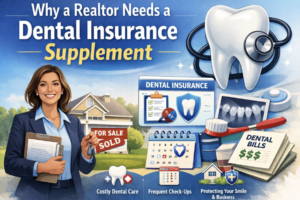
Why a Realtor Needs a Dental Insurance Supplement

Realtor News for Dental Insurance Supplement

A realtor lives on visibility, credibility, and consistency. This is a business built on conversations, showings, listing appointments, networking events, open houses, client lunches, video marketing, and last-minute meetings that can turn into signed contracts. In a profession where trust is built face to face, your smile is not a small detail. It is part of your brand.

That matters even more in today’s market. The real estate world has been under pressure from affordability challenges, shifting buyer demographics, brokerage movement, and a slower, more demanding sales environment. Recent reporting from the National Association of Realtors’ generational trends research, HousingWire’s coverage of agent movement, and Associated Press reporting on existing-home sales shows an industry where realtors are being asked to work harder for every deal, every referral, and every closing.

In a business climate like that, a dental insurance supplement is not just about teeth. It is about protecting your health, reducing surprise costs, supporting your image, and making sure one avoidable dental issue does not throw off your workflow, your confidence, or your income. A supplement can help bridge the gaps left by a standard dental plan, especially when your career depends on showing up polished, healthy, and ready.

Your Smile Is Part of Your Business Presence

A realtor is not hidden behind a desk all day. This profession is personal by nature. Clients notice how you carry yourself, how you communicate, and how confident you appear in person and on camera. A clean, healthy smile supports that presence in a very real way.

That may sound simple, but real estate is a relationship-first industry. Even the basic definition of a real estate agent reflects a role centered on representing people in property transactions, negotiations, and guidance through major life decisions. A realtor is often standing beside nervous first-time buyers, seasoned investors, relocating families, and sellers under pressure. In all of those moments, people are reading more than your words. They are reading your energy, your expression, and your level of self-assurance.

When dental problems creep in, confidence can take a hit quickly. Pain, sensitivity, visible issues, or even anxiety about the cost of treatment can make someone less likely to smile, less likely to volunteer for video, and less comfortable in close personal interactions. For a realtor, that is not a small private inconvenience. It can affect daily performance.

A dental insurance supplement helps protect against that by making it easier to say yes to care before a minor issue becomes a visible or expensive one. Instead of delaying treatment because the primary plan only covers part of the bill, a supplement can help reduce the financial hesitation that keeps many people from addressing problems early.

Realtors Often Carry Irregular Income, Which Makes Predictable Coverage Valuable

Many realtors do not earn on a neat salary schedule. Income can be strong one month and quiet the next. Closings move. Deals fall apart. Commission timing changes. In that kind of business, predictable health-related budgeting matters.

The broader housing market has not exactly been easy. The Associated Press reported that 2025 existing-home sales remained near a 30-year low, with affordability and mortgage-rate pressure continuing to limit activity. That means many agents are still working in an environment where every expense must be considered carefully.

A dental insurance supplement can create more stability in an unstable income cycle. Rather than being blindsided by a large out-of-pocket bill for periodontal work, fillings, crowns, or other care your core plan only partly covers, you may have another layer of support. That matters for self-employed realtors, team members on lean commission structures, and independent contractors who already manage their own taxes, marketing expenses, fuel, staging costs, and client entertainment budgets.

Dental insurance itself is designed to help pay a portion of dental costs, not always all of them, which is exactly why supplemental coverage can matter so much when larger treatments come up. The basic structure described in Wikipedia’s dental insurance overview helps explain why many people still face gaps even when they already have some dental coverage.

For a realtor, those gaps can feel especially disruptive because one untreated dental issue can quickly become a scheduling issue, a cash-flow issue, and a confidence issue all at once.

A Busy Realtor Cannot Afford Health Disruptions That Spill Into the Workday

Real estate rarely runs on a perfect schedule. It runs on client availability, lender timing, inspection surprises, negotiation windows, and late-night messages. That makes preventive care even more valuable.

A dental problem does not stay neatly contained. It can lead to missed appointments, reduced focus, lack of sleep, irritability, and lost momentum. If you are in the middle of a listing launch or showing schedule, even one painful dental problem can affect how you communicate and how much energy you bring into the room.

That ties directly into the growing conversation around wellness in real estate. Realtor Magazine has addressed burnout among agents, and Florida Realtors has highlighted the importance of mental wellness and resilience in a demanding business. Those conversations are important because the profession often glamorizes hustle while overlooking the strain that constant availability can create.

A dental insurance supplement fits into that wellness picture. It supports preventive action instead of reactive crisis management. It can make cleanings, diagnostics, and follow-up care feel more manageable, which lowers the chance that a dental issue grows into a larger interruption. For a realtor who is always in motion, fewer disruptions can mean better consistency with clients and better protection of income.

In a Competitive Industry, Professional Readiness Matters

The realtor landscape is shifting, and the people in it are adapting. HousingWire recently reported notable brokerage movement and continued competition around recruiting and retention. At the same time, NAR’s market and generational research shows that the buyer and seller mix keeps changing, which means agents must keep sharpening how they present themselves and serve different client groups.

When competition rises, little things begin to matter more. Professional photos matter more. Follow-up matters more. Video presence matters more. First impressions matter more. Personal readiness matters more.

A healthy smile supports all of that. It helps in listing presentations when you need to project calm confidence. It helps in community events where you are meeting future clients. It helps in social media videos, neighborhood tours, and brand photography. It helps when a deal gets stressful and your body language needs to reassure people that they are in good hands.

A dental insurance supplement is one of those behind-the-scenes tools that supports front-facing excellence. Clients may never know you have it, but they may absolutely feel the benefits of the care and confidence it helps protect.

Supplements Can Help Fill the Gaps Left by Standard Plans

Many people assume that if they have dental coverage, they are fully protected. That is often not the case. Standard dental plans may include waiting periods, annual maximums, limited coverage percentages, exclusions on certain procedures, or narrow provider structures. A supplemental option can sometimes help with those weak spots depending on the plan.

For a realtor, this matters because your need is not only clinical. It is also practical. You need a system that supports you quickly, predictably, and affordably enough that you do not postpone care.

Even alternatives like a dental discount plan exist because many people find that traditional coverage alone does not always meet the full need.

That does not mean every realtor needs the same supplement. Some may want stronger preventive support. Others may be more concerned about major restorative work. Some may need help with family coverage because they are balancing household health expenses while running a real estate business. The key point is that relying on a bare-minimum plan can leave a working realtor exposed to out-of-pocket costs that arrive at the worst possible time.

Dental Health Supports Long-Term Business Growth, Not Just Immediate Comfort

A realtor’s business is built over time. Referrals compound. Reputation compounds. Familiarity in the community compounds. Health habits work the same way.

When you stay on top of your dental health, you are investing in a part of your personal presentation that shows up in almost every client interaction. You are also reducing the odds of bigger expenses later. That matters in a profession where business owners are constantly deciding where to put money for the greatest return.

There is also a bigger mindset shift here. Realtors readily invest in signage, staging, CRM tools, photography, lead generation, and continuing education because those things help the business grow. A dental insurance supplement belongs in that same conversation. It supports the person behind the brand.

In an industry facing slower sales, affordability pressure, and rising demands on agent adaptability, protecting your own readiness is a smart move. It is not indulgent. It is practical. The market may be unpredictable, but taking care of the face, health, and confidence you bring into that market is something you can control.

Conclusion

A realtor needs a dental insurance supplement because this career depends on more than licenses and listings. It depends on presence, confidence, consistency, and the ability to keep showing up at a high level. When your smile is part of your first impression and your health affects your energy, dental protection becomes a business decision as much as a personal one.

In a demanding real estate environment, a supplement can help reduce surprise costs, encourage preventive care, support your professional image, and protect your momentum when every client interaction counts. For the realtor who wants to stay sharp, polished, and prepared, a dental insurance supplement is not an extra luxury sitting on the side. It is a practical layer of protection for the person who makes the business work.

Key West Realtors Don’t Need “More Work” — They Need Bookkeeping That Protects Their Income 🧾🌴

Real Estate News for Bookkeeping Key West

A Key West Realtor lives in a market that moves on its own rhythm. Tourism cycles, second-home demand, limited inventory, insurance shifts, interest-rate headlines, and sudden bursts of buyer activity can all collide in the same month. When the market is loud, it is easy to focus on showings, offers, inspections, and closings while the back office quietly slips behind.

That is exactly why Bookkeeping Key West matters. Not as a boring admin task, but as a practical system that keeps a Realtor profitable, tax-ready, and calm even when the market is anything but calm. Real estate is “hyperlocal,” and so is the math behind a thriving real estate business in the Keys.

The Key West Real Estate Business Has Unique Cashflow Pressure 🌊

Real estate income is rarely smooth. A Realtor can do weeks of work and still wait for the single event that triggers payment: a closing. That delay creates a specific kind of financial stress because expenses keep running while commissions arrive in batches.

In a place like Key West, seasonality can add another layer. Marketing, staging, photography, signs, gas, parking, association dues, lockboxes, software subscriptions, client gifts, and transaction tools all stack up while income remains “lumpy.” Strong bookkeeping turns that lumpy income into a plan: it shows what is truly available, what needs to be reserved, and what can be reinvested with confidence.

When national housing indicators swing, the timing of closings and buyer demand can swing with them. Trade outlets and industry sources regularly track these changes, including pending-sales trends and broader outlooks.

Bookkeeping Helps You Run a Commission Pipeline Like a Real Business 💼

A real estate pipeline is not just leads and follow-ups. It is also future revenue, future expenses, and future tax obligations. Without clean bookkeeping, it is easy to confuse “busy” with “profitable.”

Bookkeeping Key West supports a Realtor by clearly separating:

  • Revenue received (commissions that already hit the account)

  • Revenue expected (closings scheduled, commissions projected)

  • Revenue at risk (deals that might fall apart, concessions, credits)

  • True cost of doing business (what it takes to generate and close deals)

This visibility helps a Realtor decide what to say yes to. It helps you budget marketing during slow weeks without draining reserves. It helps you hire help at the right time instead of too early or too late. It also helps you avoid the common trap of reinvesting based on feelings instead of numbers.

Tax Time Stops Being a Panic Event 🧠✨

Many Realtors operate as independent contractors, and the tax burden can feel heavier when it is not automatically withheld from each check. Good bookkeeping keeps taxes from becoming a surprise by tracking income consistently and maintaining clean categories for deductible expenses.

When your books are organized month-to-month, tax planning becomes proactive instead of reactive. Your quarterly estimates are easier to calculate. Your deductions are better documented. Your CPA gets clean reports instead of a pile of statements and screenshots. That saves money, time, and stress.

Bookkeeping also helps you build a consistent paper trail, which matters because real estate pros handle high-value transactions and often have complex expense patterns. A clear business record is an asset.

For background context on the role and structure of real estate representation, this reference provides a helpful baseline. 📌 Real estate agent (Wikipedia)

Expenses in Real Estate Are Easy to Underestimate, Easy to Miss 📉

A Realtor’s expenses are not always obvious. Many are small, frequent, and spread across multiple platforms. If those items are not captured and categorized correctly, profit gets understated and tax deductions get lost.

Bookkeeping Key West supports accurate tracking for items such as:

  • MLS and association dues

  • Marketing and ad spend

  • Photography, videography, drone work

  • Staging and vendor coordination costs

  • Business mileage, parking, and tolls

  • Client experience spending (closing gifts, events, referrals)

  • Software, CRMs, transaction platforms, phone tools

  • Education, licensing, and continuing requirements

Clean books protect the “real” margin on each deal. They also reveal which marketing channels are paying off and which ones are quietly draining the budget.

Market Data Becomes Useful When Your Numbers Are Equally Clear 📊

Real estate professionals watch the market closely, and major outlets publish housing data constantly. That information becomes far more powerful when a Realtor can compare it to their own business metrics.

For example, widely tracked housing data series like the median sales price of houses sold can provide context for commission expectations, pricing strategy conversations, and planning. 📈 Median Sales Price of Houses Sold (FRED)

Broader research also highlights how housing wealth and price changes can ripple into spending and activity across the economy. 🏡 Dallas Fed: Real-time house price model

Inventory dynamics matter too, and real estate news regularly reports on shifts between buyers and sellers and what that can mean for pricing pressure. 📰 Investopedia housing market coverage

When a Realtor has strong bookkeeping, market headlines stop being noise. They become decision tools.

Clean Books Support Compliance, Lending, and Big Next Moves 🧩

Bookkeeping is not only for taxes. It is also for credibility and optionality.

Clean financials help when a Realtor wants to:

  • Qualify for a mortgage as a self-employed borrower

  • Apply for business credit or financing

  • Document income for a rental or investment purchase

  • Bring on a team member, VA, or transaction coordinator

  • Track profitability by neighborhood, price point, or lead source

  • Prepare for an entity change (LLC, S-Corp election, team growth)

A Realtor’s future options expand when documentation is strong. That is especially valuable in real estate, where opportunities appear quickly and the best moves are often time-sensitive.

Local Bookkeeping Matters Because Key West Is Its Own World 🌺

Bookkeeping Key West is not just about hiring someone who can “do books.” It is about hiring someone who understands the pace and patterns of a Key West real estate business: seasonality, local vendor ecosystems, the volume of small transactions, and the realities of commission-based income.

A local-aware bookkeeper is also more likely to build categories and reporting that match how Realtors actually operate, making the reports readable and actionable. The goal is clarity you can use, not spreadsheets you avoid.

Real Estate News Changes Fast, and Your Back Office Has to Keep Up 🗞️

Real estate is affected by interest rates, consumer confidence, inventory, construction trends, and policy shifts. Even the biggest real estate news outlets cover the category as a constant stream because conditions evolve quickly.

Industry reading lists like these provide ongoing context for what is changing and what professionals are watching:

When the external market moves, internal financial visibility becomes even more important. Bookkeeping is what makes that visibility possible.

Conclusion: Bookkeeping Key West Protects Profit, Peace, and Growth 🌴✅

A Key West Realtor can be excellent at sales and still feel financial stress when bookkeeping is inconsistent. The business can look successful on the outside while the inside feels uncertain: unpredictable cashflow, unclear profit, scattered deductions, and tax-time anxiety.

Bookkeeping Key West turns real estate activity into real financial control. It helps a Realtor keep more of what they earn, plan with confidence, make smarter growth decisions, and stay ready for the next opportunity. In a market as dynamic and distinctive as Key West, clean books are not a luxury. They are part of what makes the business sustainable, scalable, and steady.

The Perfect Commercial Real Estate for a Fountain Pen Store: What to Buy and Why ✒️🏬

Real Estate News for Pen Store Near Me

A fountain pen store is a specialty retail business with a very specific rhythm. Customers browse slowly, compare materials, test inks, talk craftsmanship, and often make high-value purchases that deserve a calm, premium setting. That means the building you buy has to do more than “hold inventory.” It has to protect small but expensive products, support an elevated shopping experience, and still make sense as a long-term real estate asset. The best commercial real estate for a fountain pen retailer balances boutique charm with practical fundamentals: visibility, access, security, buildout flexibility, and resale strength.

Retail real estate trends in recent market reporting also support this “small, high-quality footprint” approach. Multiple research outlets have noted constrained new supply and stabilizing fundamentals in well-positioned retail, which tends to concentrate demand into the strongest corridors and centers. That environment rewards specialty operators who buy the right space and hold it. 📈

Buy the Boutique Retail Footprint, Not a Big Box

For most fountain pen store owners, the ideal building is not large. It is curated. A fountain pen shop performs best when the space feels like a gallery and a lounge rather than a warehouse. Buying too much square footage usually creates ongoing cost pressure through higher property taxes, insurance, utilities, and maintenance, plus the hidden cost of making a big space feel “warm” and intentionally designed.

A strong purchase supports a layout that fits how collectors shop:

  • A bright front showroom with clear sightlines and premium lighting

  • Lockable display cases that feel elegant instead of over-secure

  • A private consultation desk for higher-ticket purchases

  • A climate-stable storage area for inks, paper, and packaging

  • A small back-of-house workbench for nib tuning and repairs

This approach aligns with the basics of income-producing retail property and how it tends to be categorized and valued over time. The terminology is simple and useful when thinking like an owner-investor rather than a tenant. Commercial property (Wikipedia) 🏬

Choose “Destination Retail” Streets Over Pure Convenience Locations 🗺️

Fountain pen retail behaves like destination shopping. Customers will drive or travel for selection, knowledge, and the experience of trying pens and inks in person. The best buildings are often in places where people already enjoy spending time: walkable downtowns, lifestyle corridors, arts districts, and historic main streets with complementary neighbors like bookstores, stationery shops, coffee, galleries, and boutique gift stores.

These areas are ideal because your customer is not rushing. They are browsing, comparing, and enjoying. A property that sits in an established “stroll zone” supports longer visits and higher average order value. It also helps your store naturally become part of local culture, which creates the kind of loyalty that online-only competitors struggle to replicate. ☕️✒️

Pick the Right Property Type for Control and Long-Term Value 🏢

Buying commercial real estate is also choosing the operational life you want. For a fountain pen store, three types tend to fit best.

Retail condo in a well-run mixed-use or shopping district
A retail condo can be a powerful option: ownership benefits without owning the whole building. It can offer predictable exterior maintenance through an association, steady neighboring tenancy, and a clearer resale market. It is especially strong when the development has consistent foot traffic and good signage opportunities.

Small standalone storefront in an established corridor
A standalone building can be a flagship move. It offers maximum control over signage, security upgrades, store hours, and buildout decisions. It also allows your brand to “own the curb appeal.” The tradeoff is more responsibility for roof, facade, parking, and long-term repairs, which should be priced into the deal.

Ground-floor retail in a mixed-use building
This can provide built-in customers from upstairs residents and nearby office or hospitality activity. It tends to work best when the building already supports vibrant street-level retail rather than feeling like an afterthought.

Market research frequently points to well-located retail as a category where demand can concentrate when supply is tight, making good assets more valuable and easier to backfill if you ever sell. Retail Fundamentals Stabilize as Demand Grows (CBRE Q3 2025 U.S. Retail Figures) 📊

Make Security and Inventory Protection a Non-Negotiable 🔐

A fountain pen store is filled with high-value inventory in small form. That reality changes what “good real estate” means. The right building supports security without making the customer feel watched or rushed.

A strong purchase includes:

  • A layout that keeps the register and high-value displays in clear view

  • A back room that can be reinforced for secure storage

  • Modern electrical capacity for cameras, sensors, and monitored systems

  • Clean deliveries and discreet receiving so stock does not become public theater

  • After-hours visibility and lighting outside the storefront

Climate control matters too. Inks, paper products, and premium packaging benefit from stable temperature and humidity. Buildings with chronic dampness, poor insulation, or weak HVAC can create ongoing product loss and brand damage. A building that “feels steady” is not just comfort. It is inventory protection. 🛡️

Prioritize Access and Parking Without Losing the Premium Feel 🚗✨

Collectors love charming districts, but they still want the purchase to feel convenient. The best buildings hit a balance: premium location with workable access.

Strong ownership locations typically have:

  • Straightforward navigation from primary roads

  • Nearby parking that does not feel stressful

  • Walkable sidewalks and safe crossings

  • A storefront that is easy to find and easy to enter

A fountain pen store benefits from repeat visits and event traffic, and convenience becomes a compounding advantage when customers know it is easy to stop in, browse, and leave with confidence. 🅿️

Buy a Space That Supports Events and Community Without Zoning Drama 🧾

A fountain pen store grows faster when it becomes a gathering point. Launch nights, handwriting workshops, ink sampling events, collector meetups, and nib clinics create community and steady recurring demand. The real estate you buy should make that easy.

The right building supports:

  • Retail use that clearly permits your concept

  • Reasonable occupancy and event rules

  • Good acoustics and lighting for calm, focused events

  • Signage rights that actually help customers find you

  • Storage or flex space for chairs, sample stations, and event supplies

Zoning, permitted use, and building rules shape your freedom as an owner. Clean legal alignment reduces future friction and protects resale value, because the next owner also benefits from that flexibility. 🏛️

For ongoing market context and sector-level reporting that helps you stay grounded in what is happening across commercial property, NAR’s commercial insights are a solid reference point. October 2025 Commercial Real Estate Market Insights (National Association of Realtors) 📰

Treat the Building Like an Asset That Must Resell Cleanly 💼

A smart purchase is not only about your store today. It is also about who could use the space later. Specialty retail locations can be extremely valuable when they sit in corridors where many concepts could thrive.

A “resale-friendly” fountain pen store building usually has:

  • Standard retail geometry that fits multiple uses

  • Strong neighborhood fundamentals and stable demand drivers

  • Good frontage, signage, and visibility

  • Parking and access that serve more than one retail model

  • Manageable maintenance profile and building systems

If you ever expand, relocate, or sell, a flexible, desirable retail asset gives you options. That optionality is one of the biggest advantages of buying rather than leasing. 🔑

Use Real Estate Market Research to Validate the Buy 📉➡️📈

Good commercial purchases are supported by data, not hype. Retail demand, net absorption, and supply constraints are the kinds of metrics that help validate whether a market is strengthening, stable, or softening. When retail supply is limited, well-positioned spaces can become more valuable because tenants and buyers compete for fewer good options.

Two research sources that track U.S. retail market dynamics and can help validate the bigger picture are JLL’s market updates and Cushman & Wakefield’s national retail reporting. United States Retail Market Dynamics Q3 2025 (JLL) 🧠
U.S. Shopping Center MarketBeat Reports (Cushman & Wakefield) 🏬

Buy Real Estate That Matches the Brand Experience 🎯

The best fountain pen stores feel like calm confidence. The building should match that. Bright but soft lighting, quiet finishes, clean windows, and a storefront that signals craftsmanship all support higher-ticket purchasing. A buyer should feel the difference immediately when they step inside.

A smart building purchase supports:

  • Strong natural light or upgrade-friendly lighting

  • A clean facade that looks premium in photos and social media

  • A front window that can merchandize without clutter

  • Interior flexibility to evolve displays and add services

  • A neighborhood that signals quality and trust

The building becomes part of the brand, and brand-aligned real estate protects pricing power. ✨

Conclusion ✒️🏛️

The best commercial real estate for a fountain pen store near me owner is boutique-scale, destination-friendly, secure, and flexible. A strong purchase supports slow browsing, high-value inventory protection, and community-building events while also functioning as a clean, resale-friendly asset. Retail condos in strong mixed-use centers, small standalone storefronts on proven corridors, and ground-floor mixed-use retail can all work when they deliver visibility, access, and a premium experience. With the right building, the store becomes more than a place to buy pens. It becomes a place people return to, bring friends to, and remember. ✅

Real Estate Companies Need a Payroll Tax Attorney Because “Close Day” Is Not the Only Deadline 🏠📅

Real Estate News for Payroll Tax Attorney Near Me

Running a real estate company is already a constant sprint of listings, showings, closings, recruiting, onboarding, marketing, and managing client expectations. Add payroll on top of that, and suddenly you are dealing with a second business inside your business, with its own rules, deadlines, penalties, and audit triggers.

A Payroll Tax Attorney helps real estate companies protect cash flow, reduce compliance risk, and make confident decisions about how they pay agents, admins, assistants, transaction coordinators, property managers, maintenance staff, and leadership. When payroll tax issues hit, they hit hard, and they rarely arrive with a polite warning.

To stay sharp, it also helps to keep an eye on the industry and how fast it is evolving through trusted sources like National Association of REALTORS® – Latest News, The Wall Street Journal Real Estate, and Bloomberg Real Estate. The market changes quickly, and payroll strategy needs to keep up right alongside it.

Payroll in Real Estate Is Unusually Complicated by Design 🧾

Real estate companies often run mixed teams. You might have W-2 employees in the office, licensed agents paid on commission, salaried managers, and part-time support. You may also have people working across city lines, county lines, or state lines. Each of those details can trigger different payroll tax rules, different filing requirements, and different enforcement priorities.

Payroll tax is not just “did you pay people.” It is withholding, deposit timing, classification, reporting, and documentation. One missed deposit schedule, one misclassified worker, or one sloppy reimbursement policy can snowball into penalties that feel wildly out of proportion to the original mistake.

A Payroll Tax Attorney’s value is in seeing the traps before they spring and in knowing how to respond when a notice shows up that threatens your reputation, your operations, or your ability to pay your team.

Agent Pay Structures Create Classification Landmines 🏡⚖️

Real estate is famous for commission-based pay, and many companies rely on independent contractor models. That is normal in the industry, but “common” does not automatically mean “safe.”

Classification is where many payroll tax problems begin. When someone is treated like a contractor but managed like an employee, payroll tax liability can stack up fast. That can include back withholding, employer-side taxes, penalties, and interest. It can also pull in state agencies and unemployment systems, turning one problem into several.

A Payroll Tax Attorney helps you pressure-test your classification decisions, tighten agreements, align day-to-day practices with your intended model, and reduce the odds that a single complaint or audit turns into a financial crisis.

Multi-State Operations Can Turn Payroll Into a Maze 🗺️

Real estate companies expand. Teams go remote. Agents move. Assistants work from home in a different state. A new branch opens across a border. These seem like operational details, but payroll tax systems treat them as legal triggers.

Multi-state payroll can involve registration requirements, state withholding, local taxes, unemployment accounts, and specific filing schedules. If you have people generating income in one state while being paid from another, you can accidentally create compliance gaps without realizing it.

A Payroll Tax Attorney helps you map where your payroll obligations actually exist, build a clean compliance plan, and avoid “surprise liabilities” that show up months later when you least have time for them.

Payroll Tax Problems Threaten Cash Flow at the Worst Times 💸

Real estate cash flow is often uneven. Some months are incredible. Some months are tight. That reality makes payroll tax discipline even more important, because tax deposit schedules do not care if your closings are delayed.

If payroll tax deposits fall behind, the consequences can escalate quickly. Notices can multiply. Penalties can stack. Bank accounts can be levied in severe situations. Vendors, landlords, and staff can feel the ripple effects.

A Payroll Tax Attorney helps you build guardrails that prevent crisis and can also step in fast if a crisis has already started, so your business stays operational while the issue gets resolved.

Commissions, Bonuses, and Incentives Require Precision 🎯

Real estate compensation is rarely simple. Between commission splits, recruiting bonuses, team incentives, and performance pay, the payroll system can get messy fast.

Even when you are trying to do everything right, errors happen in how supplemental wages are handled, how deductions are applied, or how benefits are treated. These are the kinds of mistakes that often look small until an audit forces everything into the light.

A Payroll Tax Attorney works with your payroll processes to make sure the structure you are using matches the rules you are expected to follow, so your growth does not create hidden liabilities.

Mergers, Acquisitions, and Team Transitions Raise Payroll Tax Risk 🔁

Real estate companies buy smaller brokerages, merge teams, change ownership, open new entities, and reorganize compensation. Each of these moves can affect payroll accounts, filing responsibilities, and historical liabilities.

Due diligence is not just about sales numbers and listings. It is also about whether payroll taxes were properly handled, whether liabilities transfer, and whether old mistakes follow the new entity.

A Payroll Tax Attorney helps you evaluate risk before you sign, structure transitions cleanly, and prevent inheriting a payroll tax mess that you did not create.

If you want to stay plugged into what is shifting across the industry while you build smarter operations, consistent coverage from Realtor.com Real Estate News and Inman Real Estate News can be a practical habit, especially as business models evolve.

Payroll Tax Notices and Audits Need the Right Response 🧠📬

When a notice arrives, many companies make one of two mistakes. They ignore it because they are busy, or they respond quickly without understanding what they are admitting. Both can be costly.

Payroll tax agencies often run on timelines that move faster than people expect. Miss a deadline, and your options shrink. Say the wrong thing in writing, and you can unintentionally lock yourself into a position that is hard to unwind.

A Payroll Tax Attorney brings calm strategy to a stressful moment. They know what information matters, what does not, how to communicate effectively, and how to protect the company while working toward resolution.

A Payroll Tax Attorney Protects Leadership Personally 🛡️

Payroll tax trouble is not always limited to the company. Certain payroll taxes are treated as trust funds, meaning they are viewed as money you held on behalf of others. When those are mishandled, agencies may pursue individuals they believe were responsible for collecting and paying them.

That personal exposure is one of the biggest reasons real estate company owners and executives get serious about payroll tax legal support. You can be running a high-integrity business and still get caught in a compliance storm if the payroll system breaks down.

A Payroll Tax Attorney helps you reduce that exposure with clean systems, proper documentation, and strong defense if an enforcement action ever targets leadership.

Better Payroll Systems Help Recruiting and Retention 👥✨

Top agents and strong staff want stability. They want confidence that their pay is handled correctly, on time, with clear documentation. Payroll errors erode trust quickly, especially in a fast-moving environment where people depend on accurate numbers.

Legal support on payroll tax is not only about avoiding penalties. It also supports smoother operations, clearer policies, and fewer pay disputes. That makes your company feel more professional, more reliable, and easier to scale.

For broader industry context while you build long-term operational strength, HousingWire is another widely used source that tracks the business side of housing and real estate.

Payroll Tax Attorneys Help You Grow Without Adding Hidden Risk 🚀

Growth is exciting in real estate. More agents. More transactions. More markets. More revenue. Payroll tax risk scales right alongside that growth, and it often scales silently.

A Payroll Tax Attorney helps you grow on purpose. They help you choose the right entity structure, tighten compensation plans, align HR practices with tax realities, and keep your filings and deposits clean as your headcount expands. Instead of guessing, you build a system that can handle the pace of your success.

For foundational context on the real estate industry as a whole, Real estate on Wikipedia is a quick reference point that pairs well with the daily industry reporting from the news outlets above.

Conclusion 🏁🏠

Real estate companies live in a world of deadlines, documentation, and high-stakes transactions. Payroll taxes are the same kind of high-stakes system, just with different consequences when something goes wrong.

A Payroll Tax Attorney near me is not a luxury for real estate companies. It is a layer of protection that supports growth, stabilizes cash flow, reduces audit exposure, and keeps leadership and operations safe. When payroll is handled with legal-level precision, your company runs cleaner, scales faster, and stays focused on what it does best, serving clients and closing deals.

Navigation