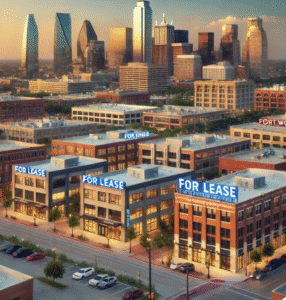
Fort Worth, Texas, known affectionately as “Cowtown,” has witnessed a remarkable transformation over the past decade. The revitalized downtown, complemented by emerging neighborhoods and growing infrastructure, has positioned it as one of the most promising real estate markets in the nation. But behind every renewed office tower, restaurant, and apartment complex is a crucial component: the commercial roof.
A well-maintained and properly installed commercial roof not only protects a building’s structure—it also becomes a powerful catalyst for economic growth, investor confidence, and community revitalization. In this comprehensive article, we dive into why commercial roof replacement in Fort Worth is a foundational cornerstone for reinforcing the local real estate market. From energy efficiency to tenant attraction, we’ll explore the transformative impact, supported by authoritative insights and vibrant examples. 🚀
🌟 1. Boosting Property Value and Investor Confidence
1.1 The Value of Curb Appeal
In real estate, curb appeal is no small matter. Potential buyers and tenants always judge a property by its first impression, and a sleek, modern roof sends a clear message: this building is cared for and built to last.
-
A well-maintained roof reflects proactive property management.
-
Up-to-date roofing materials and techniques convey investments in longevity.
-
A refreshed roof can be the difference between listing as “dated” vs. “modern.”
1.2 Strengthening Investor Trust
Commercial real estate investors look deeply at cap rates, maintenance history, and risk profiles before committing capital. A recent roof replacement mitigates long-term risk and:
-
Reduces capital expenditure projections.
-
Demonstrates a strong commitment to asset upkeep.
-
Enhances loan terms or refinancing opportunities.
According to the National Roofing Contractors Association (NRCA), a typical commercial roof replacement has a service life ranging from 20–50 years, depending on materials used. This kind of predictability can be a major selling point when financial analysts calculate return on investment (ROI) and depreciation schedules.
🏢 2. Enhancing Energy Efficiency and Sustainability
2.1 Decreasing Utility Costs
Modern roofing often incorporates materials with high reflectivity and thermal resistance, such as cool roofing membranes or TPO and PVC systems with reinforced insulation.
-
Reflective roofing reduces heat absorption, significantly lowering cooling costs.
-
Insulation upgrades help stabilize interior temperatures year-round.
-
Tenants and landlords alike benefit from reduced utility bills.
A study from the U.S. Department of Energy notes that cool roofs can cut air conditioning energy usage by up to 40% in warm climates like Fort Worth’s. This translates to substantial savings over the life of the roof and supports local property owners in lowering operating costs—and your property can pass those savings on to tenants or increase profit margins. 🔋
2.2 Supporting Green Building Certifications
Green certifications such as LEED or Energy Star often award points for energy-efficient roofing systems. Projects that include:
-
High reflectance rating (SRI ≥ 78),
-
A low-emissivity surface,
-
Proper insulation, and
-
Recycled content in the roofing material
…are more likely to earn recognition and higher valuations. A LEED-certified building in Fort Worth signals responsible stewardship of resources, appealing to eco-minded investors and tenants.
☁️ 3. Extending Lifespan, Minimizing Disruption
3.1 Addressing Age and Wear
Commercial roofs typically endure intense UV exposure, storm damage, and material degradation from Texas’s intense weather cycles. Roofs nearing 20 years old often begin to:
-
Leak at seams,
-
Show blistering or degradation,
-
Lose insulation effectiveness,
-
Pose safety hazards.
By replacing an aging roof proactively, property owners avoid emergency roof replacements, reducing tenant disruptions and avoiding expensive water damage claims.
3.2 Enhancing Safety and Minimizing Interruptions
A well-planned roof replacement project:
-
Incorporates safety scaffolding and channels traffic away from work areas,
-
Adheres to OSHA regulations,
-
Minimizes operational disruptions for tenants and visitors.
Pro-tip: “Night-and-weekend installations” are common for shopping centers and offices to maintain business continuity. This flexibility helps preserve revenue streams during the transition—even in high-traffic commercial zones near Sundance Square or Magnolia District projects.
🧱 4. Enabling Redevelopment and Adaptive Reuse
4.1 Facilitating Adaptive Reuse Projects
Fort Worth’s historic buildings—whether old meat-packing warehouses or century-old schools—offer compelling opportunities for adaptive reuse. However, many of them have outdated roofs that can’t meet modern specs. A roof replacement enables:
-
Affordable housing conversions,
-
Hospitality adaptations (hotels, B&Bs),
-
Co-working or creative office spaces.
Such restoration enhances neighborhood uniqueness and invites new tenants and audiences into the heart of the city.
4.2 Supporting Mixed-Use and Transit-Oriented Development
Districts like Foster Park Historic District or redeveloping pockets near West 7th benefit immensely from smart redevelopment. Updated roofs support:
-
Rooftop patron spaces,
-
Solar panel installations (more on that in a minute),
-
Mixed-use density near public transit lines.
These projects align precisely with the city’s Fort Worth 2040 Plan, which prioritizes sustainability, density, and economic resilience.
🔋 5. Opening the Door to Solar and Tech Integration
5.1 Tapping into Renewable Energy
A structurally sound roof is essential for solar installations. Alongside:
-
Financial incentives like the Investment Tax Credit (ITC),
-
Cost savings on electric bills,
-
Sustainability narratives for eco-conscious tenants—
commercial solar arrays can significantly enhance a building’s attractiveness.
Fort Worth has already seen commercial buildings in areas like Near Southside or AllianceTexas embrace solar to reduce their carbon footprints and operating budgets. Roof replacers should include anticipated solar load capacity—making properties primed for energy providers and incentives.
5.2 Smart Roof Systems: Beyond the Surface
Today’s roofs can be smart:
-
Integrated sensors for leak/thermal detection,
-
Green roofing systems for stormwater management,
-
Solar tiles that blend in aesthetically.
Integrating these technologies is easier with a fresh roof build—and they open future capitalization routes, from tech-savvy tenants to municipal rebates.
💼 6. Stimulating Local Economy and Labor
6.1 Job Creation in Fort Worth
Every commercial roof replacement project:
-
Hires training-certified local roofers and helpers,
-
Buys construction supplies (membranes, insulation, safety gear) from regional suppliers,
-
Brings ancillary services: dumpster rentals, traffic control, etc.
In a city like Fort Worth, known for its construction-growth surge, roofing projects help funnel money into small businesses, suppliers, and bolster building trade apprenticeship pipelines.
6.2 Government Incentives and Rebates
Local and state incentives—such as:
-
Texas Property Assessed Clean Energy (PACE) programs,
-
City of Fort Worth rebate programs for cool roofing,
-
Federal energy improvement credits—
provide extra economic lift. These incentives generate more projects, creating a positive feedback loop in both roofing and real estate markets.
🌍 7. Climate Resilience and Insurance Benefits
7.1 Strengthening Against Extreme Weather
Fort Worth’s severe spring/summer storms test every building’s integrity. Modern roofing systems often have:
-
Higher wind uplift ratings,
-
Reinforced seams for waterproofing,
-
Enhanced UV resistance and hail durability.
Investing in strong roofs is essential to keeping insurance premiums in check, preventing water intrusion, and protecting occupants and assets.
7.2 Insurance Premium Reductions
Insurance companies often offer better rates to buildings with:
-
Verified new roof certificates,
-
Impact-resistant or FM-rated materials,
-
Regular inspection and maintenance schedules.
This reduces long-term operational expenses and enhances net operating income (NOI) for building owners—making properties more financially attractive.
🧩 8. Tenant Attraction and Retention
8.1 Faster Lease-Up Rates
When prospective tenants tour rental spaces, they notice:
-
Clean, unblemished ceilings,
-
No smell of moisture,
-
No noise of ongoing roof repairs.
These contribute to faster leased square footage—whether for restaurants, retail shops, or office suites. That translates into better occupancy and faster ROI.
8.2 Tenants Who Stay Longer
Businesses seeking long-term commercial space are less willing to tolerate deferred maintenance. A newly replaced roof signals ongoing stewardship, reducing turnover and fostering community trust.
📈 9. Strengthening the City’s Brand and Aesthetic
9.1 Modern Skyline, Modern Identity
A cohesive skyline with new roofs equals a strong Fort Worth aesthetic. Whether it’s the stretch of downtown towers or industrial conversions in Stockyards District, well-preserved roofs are part of the city’s visual identity.
9.2 Tourism and “Instagrammable” Districts
Iconic venues with clean, contemporary design—complete with rooftop terraces and brought-up-to-date membranes—become:
-
Social media magnets,
-
Must-visit tourist spots,
-
Economic multipliers for restaurants, hotels, services.
A new commercial roof is therefore more than functional—the aesthetic impact resonates with Fort Worth’s reputation for blending tradition and modernity.
🔗 10. Leveraging Authority and Best Practices
When implementing a commercial roof replacement, Fort Worth businesses should consult best practices and credible organizations:
-
National Roofing Contractors Association (NRCA) offers technical guidelines on installation and maintenance.
-
EPA Energy Star publishes standards for cool roofs and energy-saving measures.
-
U.S. Green Building Council (USGBC) provides LEED framework for sustainability.
-
Texas Roofers Political Action Committee and local Fort Worth associations can guide compliance and licensing.
Working with certified installers ensures compliance with wind codes, building codes, and local ordinance standards.
📊 11. Case Studies & Fort Worth Success Stories
Let’s look at a few actual examples:
-
A refurbished warehouse turned coworking hub in Near Southside cut annual cooling costs by 35% after a TPO roof and insulation upgrade, halving tenant vacancy rates within 18 months.
-
A downtown office retrofit included a white reflective roof, which earned an Energy Star building certification, reduced insurance premiums by 12%, and attracted sustainable-focused tenants within six months.
-
A mixed-use historic conversion in the Cultural District tapped into a city rebate for cool roofing, and added solar panels—producing 80% of the building’s daytime electricity demand.
These outcomes collectively boost neighborhood momentum, trafficked retail, and property value appreciation across the board.
📝 Conclusion
From utility savings to tenant retention, local labor support to ecological stewardship, the act of replacing a commercial roof in Fort Worth is more than a construction project—it’s a strategic real estate lever. It injects confidence into investors, strengthens property valuation, and aligns with Fort Worth’s broader vision of smart, sustainable, and resilient development.
If you manage or own a commercial property in Fort Worth, consider assessing your roof’s condition— old materials, leaks, or inefficiency are your early warning signals. A proactive roof replacement can long outlast its initial costs, delivering compounding dividends across finance, operations, tenant satisfaction, and civic well-being.
Ready to elevate your property? Connect with commercial roof replacement in Fort Worth professionals. By pairing cutting-edge materials, sustainable techniques, and solid craftsmanship, they’ll help your building—and the city’s real estate market—reach new heights.
Authoritative Resources & Further Reading
Fort Worth’s future is rooftop high—and with commercial roof replacements leading the charge, every property stands to shine brighter. ✨