Author: Alexa Lawson

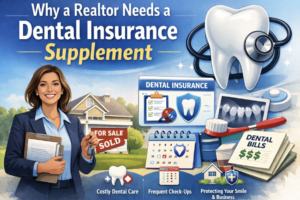
Why a Realtor Needs a Dental Insurance Supplement

Realtor News for Dental Insurance Supplement

A realtor lives on visibility, credibility, and consistency. This is a business built on conversations, showings, listing appointments, networking events, open houses, client lunches, video marketing, and last-minute meetings that can turn into signed contracts. In a profession where trust is built face to face, your smile is not a small detail. It is part of your brand.

That matters even more in today’s market. The real estate world has been under pressure from affordability challenges, shifting buyer demographics, brokerage movement, and a slower, more demanding sales environment. Recent reporting from the National Association of Realtors’ generational trends research, HousingWire’s coverage of agent movement, and Associated Press reporting on existing-home sales shows an industry where realtors are being asked to work harder for every deal, every referral, and every closing.

In a business climate like that, a dental insurance supplement is not just about teeth. It is about protecting your health, reducing surprise costs, supporting your image, and making sure one avoidable dental issue does not throw off your workflow, your confidence, or your income. A supplement can help bridge the gaps left by a standard dental plan, especially when your career depends on showing up polished, healthy, and ready.

Your Smile Is Part of Your Business Presence

A realtor is not hidden behind a desk all day. This profession is personal by nature. Clients notice how you carry yourself, how you communicate, and how confident you appear in person and on camera. A clean, healthy smile supports that presence in a very real way.

That may sound simple, but real estate is a relationship-first industry. Even the basic definition of a real estate agent reflects a role centered on representing people in property transactions, negotiations, and guidance through major life decisions. A realtor is often standing beside nervous first-time buyers, seasoned investors, relocating families, and sellers under pressure. In all of those moments, people are reading more than your words. They are reading your energy, your expression, and your level of self-assurance.

When dental problems creep in, confidence can take a hit quickly. Pain, sensitivity, visible issues, or even anxiety about the cost of treatment can make someone less likely to smile, less likely to volunteer for video, and less comfortable in close personal interactions. For a realtor, that is not a small private inconvenience. It can affect daily performance.

A dental insurance supplement helps protect against that by making it easier to say yes to care before a minor issue becomes a visible or expensive one. Instead of delaying treatment because the primary plan only covers part of the bill, a supplement can help reduce the financial hesitation that keeps many people from addressing problems early.

Realtors Often Carry Irregular Income, Which Makes Predictable Coverage Valuable

Many realtors do not earn on a neat salary schedule. Income can be strong one month and quiet the next. Closings move. Deals fall apart. Commission timing changes. In that kind of business, predictable health-related budgeting matters.

The broader housing market has not exactly been easy. The Associated Press reported that 2025 existing-home sales remained near a 30-year low, with affordability and mortgage-rate pressure continuing to limit activity. That means many agents are still working in an environment where every expense must be considered carefully.

A dental insurance supplement can create more stability in an unstable income cycle. Rather than being blindsided by a large out-of-pocket bill for periodontal work, fillings, crowns, or other care your core plan only partly covers, you may have another layer of support. That matters for self-employed realtors, team members on lean commission structures, and independent contractors who already manage their own taxes, marketing expenses, fuel, staging costs, and client entertainment budgets.

Dental insurance itself is designed to help pay a portion of dental costs, not always all of them, which is exactly why supplemental coverage can matter so much when larger treatments come up. The basic structure described in Wikipedia’s dental insurance overview helps explain why many people still face gaps even when they already have some dental coverage.

For a realtor, those gaps can feel especially disruptive because one untreated dental issue can quickly become a scheduling issue, a cash-flow issue, and a confidence issue all at once.

A Busy Realtor Cannot Afford Health Disruptions That Spill Into the Workday

Real estate rarely runs on a perfect schedule. It runs on client availability, lender timing, inspection surprises, negotiation windows, and late-night messages. That makes preventive care even more valuable.

A dental problem does not stay neatly contained. It can lead to missed appointments, reduced focus, lack of sleep, irritability, and lost momentum. If you are in the middle of a listing launch or showing schedule, even one painful dental problem can affect how you communicate and how much energy you bring into the room.

That ties directly into the growing conversation around wellness in real estate. Realtor Magazine has addressed burnout among agents, and Florida Realtors has highlighted the importance of mental wellness and resilience in a demanding business. Those conversations are important because the profession often glamorizes hustle while overlooking the strain that constant availability can create.

A dental insurance supplement fits into that wellness picture. It supports preventive action instead of reactive crisis management. It can make cleanings, diagnostics, and follow-up care feel more manageable, which lowers the chance that a dental issue grows into a larger interruption. For a realtor who is always in motion, fewer disruptions can mean better consistency with clients and better protection of income.

In a Competitive Industry, Professional Readiness Matters

The realtor landscape is shifting, and the people in it are adapting. HousingWire recently reported notable brokerage movement and continued competition around recruiting and retention. At the same time, NAR’s market and generational research shows that the buyer and seller mix keeps changing, which means agents must keep sharpening how they present themselves and serve different client groups.

When competition rises, little things begin to matter more. Professional photos matter more. Follow-up matters more. Video presence matters more. First impressions matter more. Personal readiness matters more.

A healthy smile supports all of that. It helps in listing presentations when you need to project calm confidence. It helps in community events where you are meeting future clients. It helps in social media videos, neighborhood tours, and brand photography. It helps when a deal gets stressful and your body language needs to reassure people that they are in good hands.

A dental insurance supplement is one of those behind-the-scenes tools that supports front-facing excellence. Clients may never know you have it, but they may absolutely feel the benefits of the care and confidence it helps protect.

Supplements Can Help Fill the Gaps Left by Standard Plans

Many people assume that if they have dental coverage, they are fully protected. That is often not the case. Standard dental plans may include waiting periods, annual maximums, limited coverage percentages, exclusions on certain procedures, or narrow provider structures. A supplemental option can sometimes help with those weak spots depending on the plan.

For a realtor, this matters because your need is not only clinical. It is also practical. You need a system that supports you quickly, predictably, and affordably enough that you do not postpone care.

Even alternatives like a dental discount plan exist because many people find that traditional coverage alone does not always meet the full need.

That does not mean every realtor needs the same supplement. Some may want stronger preventive support. Others may be more concerned about major restorative work. Some may need help with family coverage because they are balancing household health expenses while running a real estate business. The key point is that relying on a bare-minimum plan can leave a working realtor exposed to out-of-pocket costs that arrive at the worst possible time.

Dental Health Supports Long-Term Business Growth, Not Just Immediate Comfort

A realtor’s business is built over time. Referrals compound. Reputation compounds. Familiarity in the community compounds. Health habits work the same way.

When you stay on top of your dental health, you are investing in a part of your personal presentation that shows up in almost every client interaction. You are also reducing the odds of bigger expenses later. That matters in a profession where business owners are constantly deciding where to put money for the greatest return.

There is also a bigger mindset shift here. Realtors readily invest in signage, staging, CRM tools, photography, lead generation, and continuing education because those things help the business grow. A dental insurance supplement belongs in that same conversation. It supports the person behind the brand.

In an industry facing slower sales, affordability pressure, and rising demands on agent adaptability, protecting your own readiness is a smart move. It is not indulgent. It is practical. The market may be unpredictable, but taking care of the face, health, and confidence you bring into that market is something you can control.

Conclusion

A realtor needs a dental insurance supplement because this career depends on more than licenses and listings. It depends on presence, confidence, consistency, and the ability to keep showing up at a high level. When your smile is part of your first impression and your health affects your energy, dental protection becomes a business decision as much as a personal one.

In a demanding real estate environment, a supplement can help reduce surprise costs, encourage preventive care, support your professional image, and protect your momentum when every client interaction counts. For the realtor who wants to stay sharp, polished, and prepared, a dental insurance supplement is not an extra luxury sitting on the side. It is a practical layer of protection for the person who makes the business work.


Key West Realtors Don’t Need “More Work” — They Need Bookkeeping That Protects Their Income 🧾🌴

Real Estate News for Bookkeeping Key West

A Key West Realtor lives in a market that moves on its own rhythm. Tourism cycles, second-home demand, limited inventory, insurance shifts, interest-rate headlines, and sudden bursts of buyer activity can all collide in the same month. When the market is loud, it is easy to focus on showings, offers, inspections, and closings while the back office quietly slips behind.

That is exactly why Bookkeeping Key West matters. Not as a boring admin task, but as a practical system that keeps a Realtor profitable, tax-ready, and calm even when the market is anything but calm. Real estate is “hyperlocal,” and so is the math behind a thriving real estate business in the Keys.

The Key West Real Estate Business Has Unique Cashflow Pressure 🌊

Real estate income is rarely smooth. A Realtor can do weeks of work and still wait for the single event that triggers payment: a closing. That delay creates a specific kind of financial stress because expenses keep running while commissions arrive in batches.

In a place like Key West, seasonality can add another layer. Marketing, staging, photography, signs, gas, parking, association dues, lockboxes, software subscriptions, client gifts, and transaction tools all stack up while income remains “lumpy.” Strong bookkeeping turns that lumpy income into a plan: it shows what is truly available, what needs to be reserved, and what can be reinvested with confidence.

When national housing indicators swing, the timing of closings and buyer demand can swing with them. Trade outlets and industry sources regularly track these changes, including pending-sales trends and broader outlooks.

Bookkeeping Helps You Run a Commission Pipeline Like a Real Business 💼

A real estate pipeline is not just leads and follow-ups. It is also future revenue, future expenses, and future tax obligations. Without clean bookkeeping, it is easy to confuse “busy” with “profitable.”

Bookkeeping Key West supports a Realtor by clearly separating:

  • Revenue received (commissions that already hit the account)

  • Revenue expected (closings scheduled, commissions projected)

  • Revenue at risk (deals that might fall apart, concessions, credits)

  • True cost of doing business (what it takes to generate and close deals)

This visibility helps a Realtor decide what to say yes to. It helps you budget marketing during slow weeks without draining reserves. It helps you hire help at the right time instead of too early or too late. It also helps you avoid the common trap of reinvesting based on feelings instead of numbers.

Tax Time Stops Being a Panic Event 🧠✨

Many Realtors operate as independent contractors, and the tax burden can feel heavier when it is not automatically withheld from each check. Good bookkeeping keeps taxes from becoming a surprise by tracking income consistently and maintaining clean categories for deductible expenses.

When your books are organized month-to-month, tax planning becomes proactive instead of reactive. Your quarterly estimates are easier to calculate. Your deductions are better documented. Your CPA gets clean reports instead of a pile of statements and screenshots. That saves money, time, and stress.

Bookkeeping also helps you build a consistent paper trail, which matters because real estate pros handle high-value transactions and often have complex expense patterns. A clear business record is an asset.

For background context on the role and structure of real estate representation, this reference provides a helpful baseline. 📌 Real estate agent (Wikipedia)

Expenses in Real Estate Are Easy to Underestimate, Easy to Miss 📉

A Realtor’s expenses are not always obvious. Many are small, frequent, and spread across multiple platforms. If those items are not captured and categorized correctly, profit gets understated and tax deductions get lost.

Bookkeeping Key West supports accurate tracking for items such as:

  • MLS and association dues

  • Marketing and ad spend

  • Photography, videography, drone work

  • Staging and vendor coordination costs

  • Business mileage, parking, and tolls

  • Client experience spending (closing gifts, events, referrals)

  • Software, CRMs, transaction platforms, phone tools

  • Education, licensing, and continuing requirements

Clean books protect the “real” margin on each deal. They also reveal which marketing channels are paying off and which ones are quietly draining the budget.

Market Data Becomes Useful When Your Numbers Are Equally Clear 📊

Real estate professionals watch the market closely, and major outlets publish housing data constantly. That information becomes far more powerful when a Realtor can compare it to their own business metrics.

For example, widely tracked housing data series like the median sales price of houses sold can provide context for commission expectations, pricing strategy conversations, and planning. 📈 Median Sales Price of Houses Sold (FRED)

Broader research also highlights how housing wealth and price changes can ripple into spending and activity across the economy. 🏡 Dallas Fed: Real-time house price model

Inventory dynamics matter too, and real estate news regularly reports on shifts between buyers and sellers and what that can mean for pricing pressure. 📰 Investopedia housing market coverage

When a Realtor has strong bookkeeping, market headlines stop being noise. They become decision tools.

Clean Books Support Compliance, Lending, and Big Next Moves 🧩

Bookkeeping is not only for taxes. It is also for credibility and optionality.

Clean financials help when a Realtor wants to:

  • Qualify for a mortgage as a self-employed borrower

  • Apply for business credit or financing

  • Document income for a rental or investment purchase

  • Bring on a team member, VA, or transaction coordinator

  • Track profitability by neighborhood, price point, or lead source

  • Prepare for an entity change (LLC, S-Corp election, team growth)

A Realtor’s future options expand when documentation is strong. That is especially valuable in real estate, where opportunities appear quickly and the best moves are often time-sensitive.

Local Bookkeeping Matters Because Key West Is Its Own World 🌺

Bookkeeping Key West is not just about hiring someone who can “do books.” It is about hiring someone who understands the pace and patterns of a Key West real estate business: seasonality, local vendor ecosystems, the volume of small transactions, and the realities of commission-based income.

A local-aware bookkeeper is also more likely to build categories and reporting that match how Realtors actually operate, making the reports readable and actionable. The goal is clarity you can use, not spreadsheets you avoid.

Real Estate News Changes Fast, and Your Back Office Has to Keep Up 🗞️

Real estate is affected by interest rates, consumer confidence, inventory, construction trends, and policy shifts. Even the biggest real estate news outlets cover the category as a constant stream because conditions evolve quickly.

Industry reading lists like these provide ongoing context for what is changing and what professionals are watching:

When the external market moves, internal financial visibility becomes even more important. Bookkeeping is what makes that visibility possible.

Conclusion: Bookkeeping Key West Protects Profit, Peace, and Growth 🌴✅

A Key West Realtor can be excellent at sales and still feel financial stress when bookkeeping is inconsistent. The business can look successful on the outside while the inside feels uncertain: unpredictable cashflow, unclear profit, scattered deductions, and tax-time anxiety.

Bookkeeping Key West turns real estate activity into real financial control. It helps a Realtor keep more of what they earn, plan with confidence, make smarter growth decisions, and stay ready for the next opportunity. In a market as dynamic and distinctive as Key West, clean books are not a luxury. They are part of what makes the business sustainable, scalable, and steady.

The Perfect Commercial Real Estate for a Fountain Pen Store: What to Buy and Why ✒️🏬

Real Estate News for Pen Store Near Me

A fountain pen store is a specialty retail business with a very specific rhythm. Customers browse slowly, compare materials, test inks, talk craftsmanship, and often make high-value purchases that deserve a calm, premium setting. That means the building you buy has to do more than “hold inventory.” It has to protect small but expensive products, support an elevated shopping experience, and still make sense as a long-term real estate asset. The best commercial real estate for a fountain pen retailer balances boutique charm with practical fundamentals: visibility, access, security, buildout flexibility, and resale strength.

Retail real estate trends in recent market reporting also support this “small, high-quality footprint” approach. Multiple research outlets have noted constrained new supply and stabilizing fundamentals in well-positioned retail, which tends to concentrate demand into the strongest corridors and centers. That environment rewards specialty operators who buy the right space and hold it. 📈

Buy the Boutique Retail Footprint, Not a Big Box ✨

For most fountain pen store owners, the ideal building is not large. It is curated. A fountain pen shop performs best when the space feels like a gallery and a lounge rather than a warehouse. Buying too much square footage usually creates ongoing cost pressure through higher property taxes, insurance, utilities, and maintenance, plus the hidden cost of making a big space feel “warm” and intentionally designed.

A strong purchase supports a layout that fits how collectors shop:

  • A bright front showroom with clear sightlines and premium lighting

  • Lockable display cases that feel elegant instead of over-secure

  • A private consultation desk for higher-ticket purchases

  • A climate-stable storage area for inks, paper, and packaging

  • A small back-of-house workbench for nib tuning and repairs

This approach aligns with the basics of income-producing retail property and how it tends to be categorized and valued over time. The terminology is simple and useful when thinking like an owner-investor rather than a tenant. Commercial property (Wikipedia) 🏬

Choose “Destination Retail” Streets Over Pure Convenience Locations 🗺️

Fountain pen retail behaves like destination shopping. Customers will drive or travel for selection, knowledge, and the experience of trying pens and inks in person. The best buildings are often in places where people already enjoy spending time: walkable downtowns, lifestyle corridors, arts districts, and historic main streets with complementary neighbors like bookstores, stationery shops, coffee, galleries, and boutique gift stores.

These areas are ideal because your customer is not rushing. They are browsing, comparing, and enjoying. A property that sits in an established “stroll zone” supports longer visits and higher average order value. It also helps your store naturally become part of local culture, which creates the kind of loyalty that online-only competitors struggle to replicate. ☕️✒️

Pick the Right Property Type for Control and Long-Term Value 🏢

Buying commercial real estate is also choosing the operational life you want. For a fountain pen store, three types tend to fit best.

Retail condo in a well-run mixed-use or shopping district
A retail condo can be a powerful option: ownership benefits without owning the whole building. It can offer predictable exterior maintenance through an association, steady neighboring tenancy, and a clearer resale market. It is especially strong when the development has consistent foot traffic and good signage opportunities.

Small standalone storefront in an established corridor
A standalone building can be a flagship move. It offers maximum control over signage, security upgrades, store hours, and buildout decisions. It also allows your brand to “own the curb appeal.” The tradeoff is more responsibility for roof, facade, parking, and long-term repairs, which should be priced into the deal.

Ground-floor retail in a mixed-use building
This can provide built-in customers from upstairs residents and nearby office or hospitality activity. It tends to work best when the building already supports vibrant street-level retail rather than feeling like an afterthought.

Market research frequently points to well-located retail as a category where demand can concentrate when supply is tight, making good assets more valuable and easier to backfill if you ever sell. Retail Fundamentals Stabilize as Demand Grows (CBRE Q3 2025 U.S. Retail Figures) 📊

Make Security and Inventory Protection a Non-Negotiable 🔐

A fountain pen store is filled with high-value inventory in small form. That reality changes what “good real estate” means. The right building supports security without making the customer feel watched or rushed.

A strong purchase includes:

  • A layout that keeps the register and high-value displays in clear view

  • A back room that can be reinforced for secure storage

  • Modern electrical capacity for cameras, sensors, and monitored systems

  • Clean deliveries and discreet receiving so stock does not become public theater

  • After-hours visibility and lighting outside the storefront

Climate control matters too. Inks, paper products, and premium packaging benefit from stable temperature and humidity. Buildings with chronic dampness, poor insulation, or weak HVAC can create ongoing product loss and brand damage. A building that “feels steady” is not just comfort. It is inventory protection. 🛡️

Prioritize Access and Parking Without Losing the Premium Feel 🚗✨

Collectors love charming districts, but they still want the purchase to feel convenient. The best buildings hit a balance: premium location with workable access.

Strong ownership locations typically have:

  • Straightforward navigation from primary roads

  • Nearby parking that does not feel stressful

  • Walkable sidewalks and safe crossings

  • A storefront that is easy to find and easy to enter

A fountain pen store benefits from repeat visits and event traffic, and convenience becomes a compounding advantage when customers know it is easy to stop in, browse, and leave with confidence. 🅿️

Buy a Space That Supports Events and Community Without Zoning Drama 🧾

A fountain pen store grows faster when it becomes a gathering point. Launch nights, handwriting workshops, ink sampling events, collector meetups, and nib clinics create community and steady recurring demand. The real estate you buy should make that easy.

The right building supports:

  • Retail use that clearly permits your concept

  • Reasonable occupancy and event rules

  • Good acoustics and lighting for calm, focused events

  • Signage rights that actually help customers find you

  • Storage or flex space for chairs, sample stations, and event supplies

Zoning, permitted use, and building rules shape your freedom as an owner. Clean legal alignment reduces future friction and protects resale value, because the next owner also benefits from that flexibility. 🏛️

For ongoing market context and sector-level reporting that helps you stay grounded in what is happening across commercial property, NAR’s commercial insights are a solid reference point. October 2025 Commercial Real Estate Market Insights (National Association of Realtors) 📰

Treat the Building Like an Asset That Must Resell Cleanly 💼

A smart purchase is not only about your store today. It is also about who could use the space later. Specialty retail locations can be extremely valuable when they sit in corridors where many concepts could thrive.

A “resale-friendly” fountain pen store building usually has:

  • Standard retail geometry that fits multiple uses

  • Strong neighborhood fundamentals and stable demand drivers

  • Good frontage, signage, and visibility

  • Parking and access that serve more than one retail model

  • Manageable maintenance profile and building systems

If you ever expand, relocate, or sell, a flexible, desirable retail asset gives you options. That optionality is one of the biggest advantages of buying rather than leasing. 🔑

Use Real Estate Market Research to Validate the Buy 📉➡️📈

Good commercial purchases are supported by data, not hype. Retail demand, net absorption, and supply constraints are the kinds of metrics that help validate whether a market is strengthening, stable, or softening. When retail supply is limited, well-positioned spaces can become more valuable because tenants and buyers compete for fewer good options.

Two research sources that track U.S. retail market dynamics and can help validate the bigger picture are JLL’s market updates and Cushman & Wakefield’s national retail reporting. United States Retail Market Dynamics Q3 2025 (JLL) 🧠
U.S. Shopping Center MarketBeat Reports (Cushman & Wakefield) 🏬

Buy Real Estate That Matches the Brand Experience 🎯

The best fountain pen stores feel like calm confidence. The building should match that. Bright but soft lighting, quiet finishes, clean windows, and a storefront that signals craftsmanship all support higher-ticket purchasing. A buyer should feel the difference immediately when they step inside.

A smart building purchase supports:

  • Strong natural light or upgrade-friendly lighting

  • A clean facade that looks premium in photos and social media

  • A front window that can merchandize without clutter

  • Interior flexibility to evolve displays and add services

  • A neighborhood that signals quality and trust

The building becomes part of the brand, and brand-aligned real estate protects pricing power. ✨

Conclusion ✒️🏛️

The best commercial real estate for a fountain pen store near me owner is boutique-scale, destination-friendly, secure, and flexible. A strong purchase supports slow browsing, high-value inventory protection, and community-building events while also functioning as a clean, resale-friendly asset. Retail condos in strong mixed-use centers, small standalone storefronts on proven corridors, and ground-floor mixed-use retail can all work when they deliver visibility, access, and a premium experience. With the right building, the store becomes more than a place to buy pens. It becomes a place people return to, bring friends to, and remember. ✅

Real Estate Companies Need a Payroll Tax Attorney Because “Close Day” Is Not the Only Deadline 🏠📅

Real Estate News for Payroll Tax Attorney Near Me

Running a real estate company is already a constant sprint of listings, showings, closings, recruiting, onboarding, marketing, and managing client expectations. Add payroll on top of that, and suddenly you are dealing with a second business inside your business, with its own rules, deadlines, penalties, and audit triggers.

A Payroll Tax Attorney helps real estate companies protect cash flow, reduce compliance risk, and make confident decisions about how they pay agents, admins, assistants, transaction coordinators, property managers, maintenance staff, and leadership. When payroll tax issues hit, they hit hard, and they rarely arrive with a polite warning.

To stay sharp, it also helps to keep an eye on the industry and how fast it is evolving through trusted sources like National Association of REALTORS® – Latest News, The Wall Street Journal Real Estate, and Bloomberg Real Estate. The market changes quickly, and payroll strategy needs to keep up right alongside it.

Payroll in Real Estate Is Unusually Complicated by Design 🧾

Real estate companies often run mixed teams. You might have W-2 employees in the office, licensed agents paid on commission, salaried managers, and part-time support. You may also have people working across city lines, county lines, or state lines. Each of those details can trigger different payroll tax rules, different filing requirements, and different enforcement priorities.

Payroll tax is not just “did you pay people.” It is withholding, deposit timing, classification, reporting, and documentation. One missed deposit schedule, one misclassified worker, or one sloppy reimbursement policy can snowball into penalties that feel wildly out of proportion to the original mistake.

A Payroll Tax Attorney’s value is in seeing the traps before they spring and in knowing how to respond when a notice shows up that threatens your reputation, your operations, or your ability to pay your team.

Agent Pay Structures Create Classification Landmines 🏡⚖️

Real estate is famous for commission-based pay, and many companies rely on independent contractor models. That is normal in the industry, but “common” does not automatically mean “safe.”

Classification is where many payroll tax problems begin. When someone is treated like a contractor but managed like an employee, payroll tax liability can stack up fast. That can include back withholding, employer-side taxes, penalties, and interest. It can also pull in state agencies and unemployment systems, turning one problem into several.

A Payroll Tax Attorney helps you pressure-test your classification decisions, tighten agreements, align day-to-day practices with your intended model, and reduce the odds that a single complaint or audit turns into a financial crisis.

Multi-State Operations Can Turn Payroll Into a Maze 🗺️

Real estate companies expand. Teams go remote. Agents move. Assistants work from home in a different state. A new branch opens across a border. These seem like operational details, but payroll tax systems treat them as legal triggers.

Multi-state payroll can involve registration requirements, state withholding, local taxes, unemployment accounts, and specific filing schedules. If you have people generating income in one state while being paid from another, you can accidentally create compliance gaps without realizing it.

A Payroll Tax Attorney helps you map where your payroll obligations actually exist, build a clean compliance plan, and avoid “surprise liabilities” that show up months later when you least have time for them.

Payroll Tax Problems Threaten Cash Flow at the Worst Times 💸

Real estate cash flow is often uneven. Some months are incredible. Some months are tight. That reality makes payroll tax discipline even more important, because tax deposit schedules do not care if your closings are delayed.

If payroll tax deposits fall behind, the consequences can escalate quickly. Notices can multiply. Penalties can stack. Bank accounts can be levied in severe situations. Vendors, landlords, and staff can feel the ripple effects.

A Payroll Tax Attorney helps you build guardrails that prevent crisis and can also step in fast if a crisis has already started, so your business stays operational while the issue gets resolved.

Commissions, Bonuses, and Incentives Require Precision 🎯

Real estate compensation is rarely simple. Between commission splits, recruiting bonuses, team incentives, and performance pay, the payroll system can get messy fast.

Even when you are trying to do everything right, errors happen in how supplemental wages are handled, how deductions are applied, or how benefits are treated. These are the kinds of mistakes that often look small until an audit forces everything into the light.

A Payroll Tax Attorney works with your payroll processes to make sure the structure you are using matches the rules you are expected to follow, so your growth does not create hidden liabilities.

Mergers, Acquisitions, and Team Transitions Raise Payroll Tax Risk 🔁

Real estate companies buy smaller brokerages, merge teams, change ownership, open new entities, and reorganize compensation. Each of these moves can affect payroll accounts, filing responsibilities, and historical liabilities.

Due diligence is not just about sales numbers and listings. It is also about whether payroll taxes were properly handled, whether liabilities transfer, and whether old mistakes follow the new entity.

A Payroll Tax Attorney helps you evaluate risk before you sign, structure transitions cleanly, and prevent inheriting a payroll tax mess that you did not create.

If you want to stay plugged into what is shifting across the industry while you build smarter operations, consistent coverage from Realtor.com Real Estate News and Inman Real Estate News can be a practical habit, especially as business models evolve.

Payroll Tax Notices and Audits Need the Right Response 🧠📬

When a notice arrives, many companies make one of two mistakes. They ignore it because they are busy, or they respond quickly without understanding what they are admitting. Both can be costly.

Payroll tax agencies often run on timelines that move faster than people expect. Miss a deadline, and your options shrink. Say the wrong thing in writing, and you can unintentionally lock yourself into a position that is hard to unwind.

A Payroll Tax Attorney brings calm strategy to a stressful moment. They know what information matters, what does not, how to communicate effectively, and how to protect the company while working toward resolution.

A Payroll Tax Attorney Protects Leadership Personally 🛡️

Payroll tax trouble is not always limited to the company. Certain payroll taxes are treated as trust funds, meaning they are viewed as money you held on behalf of others. When those are mishandled, agencies may pursue individuals they believe were responsible for collecting and paying them.

That personal exposure is one of the biggest reasons real estate company owners and executives get serious about payroll tax legal support. You can be running a high-integrity business and still get caught in a compliance storm if the payroll system breaks down.

A Payroll Tax Attorney helps you reduce that exposure with clean systems, proper documentation, and strong defense if an enforcement action ever targets leadership.

Better Payroll Systems Help Recruiting and Retention 👥✨

Top agents and strong staff want stability. They want confidence that their pay is handled correctly, on time, with clear documentation. Payroll errors erode trust quickly, especially in a fast-moving environment where people depend on accurate numbers.

Legal support on payroll tax is not only about avoiding penalties. It also supports smoother operations, clearer policies, and fewer pay disputes. That makes your company feel more professional, more reliable, and easier to scale.

For broader industry context while you build long-term operational strength, HousingWire is another widely used source that tracks the business side of housing and real estate.

Payroll Tax Attorneys Help You Grow Without Adding Hidden Risk 🚀

Growth is exciting in real estate. More agents. More transactions. More markets. More revenue. Payroll tax risk scales right alongside that growth, and it often scales silently.

A Payroll Tax Attorney helps you grow on purpose. They help you choose the right entity structure, tighten compensation plans, align HR practices with tax realities, and keep your filings and deposits clean as your headcount expands. Instead of guessing, you build a system that can handle the pace of your success.

For foundational context on the real estate industry as a whole, Real estate on Wikipedia is a quick reference point that pairs well with the daily industry reporting from the news outlets above.

Conclusion 🏁🏠

Real estate companies live in a world of deadlines, documentation, and high-stakes transactions. Payroll taxes are the same kind of high-stakes system, just with different consequences when something goes wrong.

A Payroll Tax Attorney near me is not a luxury for real estate companies. It is a layer of protection that supports growth, stabilizes cash flow, reduces audit exposure, and keeps leadership and operations safe. When payroll is handled with legal-level precision, your company runs cleaner, scales faster, and stays focused on what it does best, serving clients and closing deals.

Power, Safety, and Resale Value: Why Realtors Love 20 Amp Circuit Breakers 🏡

Realtor News for 20 amp circuit breaker

When buyers walk through a home, they notice the big things first: the kitchen, the flooring, the natural light. Behind the walls, though, something just as important is quietly influencing their decision. The electrical system, including simple components like a 20 amp circuit breaker, can help a home feel modern, safe, and ready for real life.

Realtors know that future homeowners do not want surprises after closing. A home that trips breakers every time someone makes coffee and runs the microwave, or one that struggles to support a home office or new appliances, quickly becomes a source of frustration. Suggesting 20 amp circuit breakers for key circuits is one small but meaningful way agents help buyers think long term about comfort, safety, and future value.

In today’s market, where buyers care more than ever about energy efficiency, smart technology, and long-term operating costs, the electrical panel now plays a bigger role in the story of the home. For that reason, many realtors encourage sellers and future homeowners to pay attention not just to square footage and finishes, but to the amps behind the outlets. 🔌

How Realtors Look at Electrical Systems During a Listing

Realtors sit at the intersection of lifestyle, safety, and investment. Their role is not just to unlock doors; they guide buyers and sellers through complex decisions that impact their finances and day-to-day comfort. Industry overviews like Real estate agent describe how agents and brokers are licensed to represent clients and manage the many details of a transaction, including helping them understand the condition of a home. Wikipedia

During a typical home purchase, the electrical system shows up in several places. The listing description may highlight “updated electrical” or “modern panel.” The home inspection report almost always includes a dedicated section on wiring, panel capacity, and breaker condition, as trade publications and real estate platforms frequently remind their readers. Articles on home inspections in real estate media emphasize the importance of identifying outdated or unsafe systems and highlight that electrical issues are some of the most common findings in inspections. RealtyBizNews+1

When an inspector calls out undersized circuits, overused multi-plug strips, or frequent tripping, those findings can become negotiation points. Realtors know that if they can point to properly sized 20 amp circuits serving key areas, they can help calm buyer concerns, reassure lenders, and keep the deal moving smoothly.

The Basics of a 20 Amp Circuit Breaker in Today’s Homes

A 20 amp circuit breaker is designed to safely handle up to 20 amps of current on a branch circuit. In modern homes, many general-purpose circuits are 15 amps, while 20 amp circuits are often used for areas with higher demand, such as kitchens, dining rooms, laundry areas, and sometimes home offices or workshops. The higher capacity gives more breathing room before a breaker trips due to normal, everyday use.

Realtors are not electricians, but they understand how to translate this technical detail into buyer-friendly language. A properly designed panel that includes ample 20 amp circuits signals that the home is ready for the demands of today’s living. It suggests that the previous owner or builder planned for more than just the bare minimum, which matters when buyers rely on multiple devices, larger televisions, powerful vacuums, gaming systems, and more.

From the agent’s perspective, a home with a mix of 20 amp circuits where they matter most feels “move-in ready.” Instead of planning immediate electrical upgrades, buyers are free to focus on the fun part of homeownership: furniture, decor, and creating memories. That peace of mind can make the difference between a hesitant offer and a confident one.

Safety First: Reducing Risk and Nuisance Trips

Safety is one of the biggest reasons realtors suggest paying attention to 20 amp circuit breakers. Electrical overloads generate heat, which can damage wiring and, in worst-case scenarios, contribute to fire risk. Home inspection and risk-management resources commonly point out that electrical issues rank high among the most frequent problems uncovered during inspections, underscoring why panels and breakers deserve careful attention. Working RE Magazine

When circuits are undersized for how people actually live, homeowners are more likely to plug multiple high-draw devices into one outlet, overuse extension cords, or rely on power strips as permanent solutions. A 20 amp breaker serving circuits properly wired and sized for that load helps reduce nuisance trips when multiple appliances run at the same time. It encourages safer usage patterns and makes it less tempting to “cheat” with risky workarounds.

For realtors, a home that passes inspection with no serious electrical concerns is easier to sell and easier to defend if a buyer later raises questions about safety. Emphasizing adequate 20 amp circuits positions the property as a safer, more thoughtfully designed option, especially when compared to older homes that may still rely on outdated wiring or obsolete panels.

Energy Efficiency, Smart Homes, and Modern Buyer Expectations

Modern buyers care about more than just whether the lights turn on. They pay attention to energy efficiency, smart home features, and long-term costs, and they rely on their realtors to help them evaluate those factors. The National Association of Realtors has highlighted rising interest in sustainable and energy-efficient home features, reporting that buyers increasingly look for upgrades that provide financial savings and better performance over time in its news release Homebuyers Interest in Energy Efficiency Is Increasing. NAR Realtor

A robust electrical backbone supports this shift. Energy-efficient heat pumps, induction ranges, high-efficiency dryers, EV chargers, and modern HVAC controls all demand reliable power. While a 20 amp breaker alone does not make a home “green,” it is part of the capacity picture that allows owners to install efficient equipment without immediately overloading the system.

Real estate and housing news outlets regularly note how buyers are embracing sustainability and practical upgrades over purely luxury finishes. For example, reports like Homebuyers Embrace Sustainability, Efficiency in 2025 highlight buyers prioritizing smart, efficient, and future-ready features. HousingWire A panel with adequate 20 amp circuits fits neatly into that narrative. It shows that the home can handle smart thermostats, networked lighting, and efficient appliances that operate reliably day after day.

Resale Value and Marketing Power for Future Homeowners

Realtors also think ahead to the day when today’s buyer eventually becomes tomorrow’s seller. An electrical system with sufficient 20 amp circuits now will still be a selling point later, particularly as electrical demands continue to rise.

When agents write listing descriptions, “updated electrical panel,” “modern wiring,” or “ample power for today’s technology” become strong bullet points. Buyers may not understand every technical detail, but they understand the value of a home that works with their lifestyle. Real estate media and industry publications often advise agents to highlight upgrades that boost perceived value and reduce future maintenance worries, including electrical improvements. HousingWire

A home that does not need immediate electrical upgrades can command stronger offers, face fewer repair credits after inspection, and appeal to more buyers. Adding or confirming 20 amp circuits to key areas can be one of the most cost-effective improvements a seller makes before going on the market, and realtors are quick to point this out. The buyer benefits twice: first as a new homeowner enjoying reliable power, and later as a seller with a more attractive property.

Practical Everyday Scenarios Where 20 Amp Circuits Shine

Realtors have countless stories from clients who discovered the limits of an undersized electrical system. While names and specifics change, the themes stay the same. Someone starts a home-based business with multiple monitors, a laser printer, and charging stations for several devices. Another homeowner installs a high-powered vacuum, a treadmill, or a portable air conditioner in a room that already serves as a home office or guest space.

In these real-world situations, 15 amp circuits can become strained, especially in older homes never designed for today’s load. A correctly wired 20 amp circuit, on the other hand, offers more margin. It supports combinations like microwave plus toaster, or gaming console plus big-screen television plus sound system, without constant tripping. This is exactly the kind of lived experience that realtors try to anticipate when advising clients.

Real estate professionals keep one eye on long-term trends, too. Articles aimed at agents and builders sometimes emphasize how homes must adapt to a growing mix of buyers, from remote workers to multigenerational families, all sharing the same electrical infrastructure. HousingWire A home with robust circuits today can flex more easily if the family’s needs evolve or new technology becomes standard.

Realtors, Inspectors, and Electricians Working as a Team

When a realtor suggests that future homeowners consider 20 amp circuit breakers, they are not trying to act as the electrician. They are acting as the connector, encouraging the buyer to get more detailed guidance from licensed professionals. Industry news outlets remind agents that advising on upgrades, including electrical improvements, should go hand in hand with recommending qualified inspectors and contractors rather than do-it-yourself solutions. Articles like 6 Tips for Upgrading a Home’s Electrical System stress the importance of proper permitting and inspection for any significant electrical work. Inman

In a well-run transaction, the realtor raises the issue of electrical capacity, the inspector documents the current condition and any limitations, and the electrician explains options and costs. Together, they help the buyer decide whether adding or confirming 20 amp circuits makes sense now, at closing, or as part of a future improvement plan. That teamwork protects everyone involved and supports a smoother, safer ownership experience.

Why a 20 Amp Circuit Breaker Is a Smart Ask From Your Realtor ⚡

For future homeowners, the choice to pay attention to a 20 amp circuit breaker is ultimately about quality of life. A home that supports the way people genuinely live, work, cook, and relax will feel more comfortable and less stressful from day one. Fewer tripped breakers, more flexibility with appliances and devices, and greater confidence in safety all flow from having circuits that match modern demand.

Realtors suggest 20 amp circuit breakers because they understand both the market and the way homes are used today. Highlighting these details helps buyers avoid unpleasant surprises, aligns with growing interest in efficiency and sustainability, and strengthens the story they will one day tell when they sell the home themselves.

Behind every glowing light fixture and humming appliance stands a small row of breakers doing quiet, essential work. When those breakers include 20 amp circuits in the right places, homeowners gain a safer, more capable, and more future-proof home. That is exactly the kind of advantage a good realtor wants for every client, and exactly why this seemingly simple detail continues to matter so much in real estate conversations.

Realtors Who Want More Listings, Better Clients, and Stronger Teams Use Paradigm Speakers

Real Estate News for Paradigm Speakers

Real estate is changing fast, and the agents who win are the ones who stay visible, stay sharp, and stay trusted. When mortgage rates shift, inventory moves, and buyer behavior evolves, the market rewards the realtors who communicate clearly and lead confidently. That is where Paradigm Speakers comes in.

Paradigm Speakers helps realtors bring in high-impact voices that educate, motivate, and activate a room, whether it is a brokerage training, a client seminar, a community event, or a leadership retreat. The right speaker does more than fill a time slot. A great speaker raises standards, tightens strategy, and gives your people language they can use in the field the very next day. 🔥

Real Estate News Moves Too Fast for “Same Old” Training

In late 2025, mortgage rates dipped to the lowest level of the year, with Freddie Mac reporting the 30-year fixed rate at 6.15% as of December 31, 2025. Freddie Mac That kind of shift changes buyer urgency, seller psychology, and agent scripts almost immediately. Realtors who keep educating their teams and communities stay positioned as calm, confident guides.

Industry data also shows momentum. Pending home sales rose to the highest level in nearly three years, according to the National Association of Realtors, highlighting how affordability shifts and inventory changes can quickly bring activity back. National Association of REALTORS®+1 That means agents need more than motivation. They need timely messaging, market interpretation, and practical communication skills that match the moment.

A strong Paradigm Speakers event gives your team and your audience a clear lens on what is happening and what to do next, instead of relying on outdated assumptions.

Mortgage Rates (Freddie Mac PMMS)

Speakers Create Trust at Scale, and Trust Is the Whole Business

Realtors are not only selling properties. They are selling certainty, clarity, and leadership. In a market where consumers feel overwhelmed, the agent who can explain the headlines in plain language becomes the agent who gets the call.

Hosting a speaker event does something powerful for your brand. It positions you as the connector, the local expert who brings value before asking for business. That matters when clients are watching the news, wondering about rates, waiting for “the right time,” and trying to interpret what they see online.

When you use Paradigm Speakers to host a market update night, a wealth-building seminar, or a buyer readiness workshop, you are not just marketing. You are building authority in your community and giving people a reason to remember you and refer you. ✅

Pending Home Sales Surge to Nearly 3-Year High (NAR)

Paradigm Speakers Helps You Turn Events into Leads and Listings

Most realtors do not need more random leads. They need warmer conversations with people who already trust them. A well-planned speaking event does exactly that.

Here is what tends to happen when the right speaker is booked for the right audience.

The room fills with people who want guidance
Attendees come because the topic is relevant, especially when tied to market headlines like rates, inventory, and affordability. Freddie Mac+1

Your follow-up becomes natural
Instead of chasing, you are continuing a conversation that already started with value. Your follow-up is not pushy. It is helpful.

Sellers see you as proactive
In a steadier market forecast, homeowners want an agent who is strategic, not reactive. Realtor.com’s 2026 forecast points toward a steadier market with modest price growth and gradual improvements, which makes positioning and guidance even more important. Realtor

Your brokerage culture gets stronger
Agents rally around a shared message and a shared standard when they experience a strong training moment together.

Paradigm Speakers fits into that strategy by helping you bring in voices that can move a room, then you build your marketing and follow-up around that moment.

Realtor.com 2026 National Housing Forecast

The Best Speakers Give Agents Language That Closes Deals

In real estate, small differences in wording create massive differences in outcomes. A great speaker does not just inspire. They upgrade how agents explain value, handle hesitation, and lead conversations.

This matters because the market is not only numbers. It is emotions.

Buyers hesitate when they feel uncertainty
Sellers hesitate when they fear leaving a low rate behind
Agents hesitate when they do not know what to say next

When a speaker teaches communication, negotiation, leadership, and confidence under pressure, your team starts showing up differently on listing appointments, buyer consultations, and price-reduction conversations.

That is why brokerages invest in speakers. Not for entertainment. For conversion, retention, and performance. 💪

Real estate (Wikipedia)

Real Estate Is Becoming More Tech-Driven, and Your People Need an Edge

The business is shifting. Platforms, AI tools, and consumer expectations are changing how people search, compare, and decide. Zillow’s 2026 outlook points to a more stable market and highlights how technology, including AI, is shaping the real estate experience. Zillow+1

At the same time, Redfin’s 2026 predictions frame the next phase as a slow recovery where affordability improves and the market recalibrates. Redfin In practical terms, agents will be competing in a world where consumers have more information, more options, and less patience for vague answers.

A Paradigm Speakers event can bring in experts who translate these shifts into practical moves, such as.

How to stand out when clients use AI tools and portals first
How to build a personal brand that does not feel salesy
How to run smarter client events and referral systems
How to communicate data without overwhelming people

When agents understand the direction of the industry, they stop chasing tactics and start building a durable business.

Zillow’s 2026 Housing Market Predictions

Speaker Events Strengthen Recruiting and Retention

Brokerages are not only competing for clients. They are competing for talent.

A brokerage that hosts meaningful events feels alive. It feels like leadership. It feels like momentum. Agents want to be where they are growing, learning, and supported. A strong speaker experience can become a recruiting asset because it demonstrates real investment in agent performance and culture.

It also helps retention because agents do better when they feel equipped, and they stay when they believe their brokerage is committed to their success.

Paradigm Speakers supports that by helping you bring in voices that match the season your brokerage is in, whether that is growth, rebuilding, scaling, or culture repair.

Redfin’s 2026 Housing Market Predictions

Conclusion

Realtors who thrive long-term do not rely on luck or “hoping the market turns.” They lead. They educate. They create trust before the transaction. They build community around clarity.

Using Paradigm Speakers is a smart move because it helps you bring real value to your agents, your clients, and your local market. In an environment where rates, demand, and consumer behavior can change quickly, the realtors who stay relevant are the ones who keep learning and keep showing up with confidence. 🚀

When you are ready to be the name people associate with leadership in your market, a powerful speaker event is not an extra. It is a lever.

US pending home sales surge to highest in nearly 3 years (Reuters)

Why Every Real Estate Company Needs IT Support for Small Business 💻🏡

Real Estate News for IT Support for Small Business

Real estate lives in motion. Listings update by the minute, contracts move through digital pipelines, and clients expect instant responses from any device they use. At the same time, market headlines shift daily, from luxury towers rising in big cities to price cuts and stalled deals across major metros. Reuters+1

In the middle of that constant change, IT support for small business is no longer a “nice to have” for a real estate company. It is part of the core infrastructure that keeps deals moving, data secure, and agents confident as they serve clients. Modern real estate is digital real estate, and the firms that treat their technology like a strategic asset are the ones that stay ahead.

Technology Has Become the Backbone of Modern Real Estate

Real estate has always been about location, timing, and relationships, yet the tools used to manage those elements now run on servers, cloud platforms, and mobile apps. Even the way the industry is tracked and analyzed has become more sophisticated, with global coverage of Real estate framing the sector as a major driver of economic activity. JLL

Across residential and commercial markets, news outlets report on price trends, investment flows, and transaction volume in near real time. Platforms like Real Estate News keep brokers, investors, and executives plugged into the latest shifts in demand, inventory, and regulation. RealEstateNews.com These insights often rely on data feeds, analytics tools, and integrations that only function reliably when a company’s underlying IT systems are configured and maintained with care.

For a real estate company, that means everything from the listing search portal on the website to the customer relationship management system in the back office depends on robust IT support. When technology is treated as an afterthought, delays, outages, and lost opportunities start to pile up. With dedicated small-business IT support, the same tools become a competitive advantage instead. ✨

Cybersecurity Risks Are Real for Brokers and Property Managers

Real estate companies handle highly sensitive information every single day. Client identity documents, bank details for wire transfers, confidential leases, internal pricing strategies, and investor reports all live in email inboxes, cloud drives, and line-of-business applications.

Cybercriminals understand this reality. Business news has already highlighted incidents where ransomware attacks hit real estate databases and disrupted operations. Bisnow Even a short period of downtime can delay closings, stall rent collection, or interrupt access to vital property records.

Small-business IT support helps real estate firms reduce this risk. Security-focused providers configure firewalls, email security filters, multifactor authentication, and endpoint protection so the company’s digital doors stay locked. They also monitor systems for unusual behavior, manage data backups, and design recovery plans so the business can bounce back quickly if something goes wrong.

For a real estate company, cybersecurity is not just a technical concern. It is a trust issue. Clients expect their personal data, financial information, and documents to be handled with the same care as the keys to their new property. When that trust is guarded by professional IT support, the brand’s reputation grows stronger.

Always-On Connectivity Keeps Deals Moving

Deals move at the speed of connectivity. When agents tour properties with clients, they pull up real-time listing information, neighborhood comparables, and digital disclosures from their phones and tablets. When they return to the office or home workspace, they need stable networks to join virtual showings, sign electronic contracts, and update the pipeline in their CRM.

Industry outlets like Inman Real Estate News highlight the growing role of new tools, from AI-driven search to virtual tour platforms, in day-to-day real estate work. Inman+1 Those tools only deliver value when they are integrated properly, updated regularly, and supported by reliable networks and devices.

Small-business IT support keeps those foundations in place. Professionals handle router and Wi-Fi configuration, troubleshoot connectivity issues, tune cloud access, and make sure critical applications talk to each other without constant manual workarounds. The result is simple and powerful: fewer interruptions, smoother client experiences, and more time focused on relationships instead of troubleshooting. 🚀

Market Intelligence Depends on Stable Systems and Clean Data

Modern real estate strategy is deeply tied to data and market intelligence. Firms depend on regional and national news hubs such as NAR Real Estate News to interpret economic signals, policy changes, and demand trends. National Association of REALTORS® Commercial specialists read daily briefs from sources like CRE Daily commercial real estate briefs to track construction, financing, and leasing activity. CRE Daily

Many companies also subscribe to in-depth analytics platforms like CoStar US real estate news, which combine news, transaction data, and property-level metrics for investors and brokers. CoStar This information flows into internal dashboards, spreadsheets, and forecasting models that guide decisions about where to invest, which markets to enter, and how to position inventory.

Without consistent IT support, these tools become fragile. Data feeds break, reporting systems slow down, and integrations can fail silently, leading to stale or incomplete information. Dedicated IT support for small business can standardize how systems connect, automate data flows, and ensure that decision-makers always have accurate, up-to-date numbers at their fingertips. Better data means smarter strategy, and smarter strategy means better deals.

Client Experience Is Increasingly Digital and Always Measured

Real estate clients now experience the entire journey through a blend of digital and physical touchpoints. They see a listing on a mobile site, follow a link from a market story on Inman Real Estate News or Real Estate News, schedule a showing online, join a video walkthrough, sign documents electronically, and receive follow-up updates through automated campaigns. RealEstateNews.com+1

Each of those touchpoints is powered by technology. Responsiveness, loading speed, uptime, and data accuracy combine to shape how a client feels about the brand. When systems fail, clients experience confusion, delays, or duplicate communication. When IT support keeps these systems running smoothly, clients remember the process as seamless, modern, and stress-reducing.

Small-business IT support can coordinate with marketing and operations to make sure websites, customer portals, CRMs, and email platforms all work together. This coordination enables real estate companies to track which marketing channels drive leads, which properties get the most engagement, and which follow-up sequences convert interest into signed contracts.

Local, National, and Global News Flow Through Digital Pipelines

The real estate industry does not operate in a vacuum. Macroeconomic shifts, regulatory changes, and financing trends move from newsrooms into boardroom conversations every day. Publications like Commercial Observer help commercial players understand changing lease terms, development trends, and capital markets. Commercial Observer

Residential players keep an eye on headlines that show where prices are rising or falling, how inventory is changing, and what buyers or tenants are experiencing on the ground. Fast Company+1 This constant stream of information informs everything from pricing strategies to marketing campaigns.

To keep pace, real estate companies rely on devices, apps, and internal information flows that must be maintained like any other business-critical system. IT support ensures that executives receive alerts in real time, brokers have access to market dashboards, and research teams can pull data quickly without fighting slow connections or glitchy software.

IT Support Helps Small Real Estate Firms Operate Like Large Enterprises

One of the biggest advantages of specialized IT support for small business is its ability to close the gap between boutique firms and national brands. With the right mix of cloud tools, security, and integrations, a small real estate company can look and operate like a much larger organization.

Managed IT providers help standardize email domains, secure remote access, deploy collaboration platforms, and maintain hardware across offices and home-based agents. They can also advise on which tools to adopt or retire, so technology spending aligns with business priorities rather than chasing every new trend.

The result is a more resilient business model. Agents and staff enjoy consistent logins and workflows, leadership gains clearer visibility into operations, and the entire organization can respond quickly to new opportunities that appear in the headlines from sources like Real Estate News or NAR Real Estate News. RealEstateNews.com+1

Future-Proofing With AI, PropTech, and Automation

Artificial intelligence and automation are reshaping how real estate companies analyze markets, price properties, and serve clients. Research from global real estate experts shows how AI will transform investment strategies, occupancy decisions, and property management in the years ahead. JLL+1

Many of these AI and PropTech tools are designed for companies of every size, not just the largest institutional players. Chatbots for lead qualification, predictive analytics for pricing, automated document workflows, and digital twin platforms are all becoming more accessible. However, they still need strong IT foundations to function safely and effectively.

IT support teams help evaluate new tools, integrate them with existing systems, and keep them updated as vendors ship improvements. They also make sure data used to power AI models is stored appropriately and protected from unauthorized access. For real estate companies, this combination of innovation and stability allows them to move confidently into the future while keeping day-to-day operations smooth. 🤝

Conclusion: IT Support Is a Strategic Asset for Real Estate Companies

Real estate companies operate at the intersection of people, property, and information. The property will always be physical, and the relationships will always be human, yet the information and workflows have become profoundly digital.

Market updates from sources like NAR Real Estate News, Real Estate News, CRE Daily commercial real estate briefs, Inman Real Estate News, CoStar US real estate news, and Commercial Observer show an industry that changes quickly and rewards companies that adapt just as quickly. Commercial Observer+5CRE Daily+5RealEstateNews.com+5

IT support for small business gives real estate firms the power to protect their data, keep their systems running, and embrace new tools without losing focus on clients. It turns technology from a source of stress into a platform for growth. In an environment where every minute counts and every interaction can influence a deal, partnering with strong IT support is one of the smartest investments a real estate company can make.

Guardians of Reputation and Compliance: Why Real Estate Companies Need Title 9 Attorneys

Real Estate News for Title 9 Attorneys Near Me

Real estate is built on trust. Buyers, sellers, tenants, investors, and communities watch how a real estate company conducts itself in every transaction, every marketing campaign, and every interaction with the public. In an environment where headlines move fast and reputations can shift overnight, legal missteps around discrimination, harassment, or civil rights do not stay hidden. They show up in court filings, regulatory actions, and real estate news feeds. 🏙️

That is where Title 9 attorneys come in. These are attorneys who focus on discrimination, harassment, and related civil rights issues, drawing on the same body of principles that underpins Title IX style protections and other anti-discrimination laws. For a modern real estate company, they are not just “lawyers on call” for a crisis. They are strategic partners who help leadership design policies, training, and responses that keep the business compliant, resilient, and trustworthy in the public eye.

As the real estate industry evolves, the legal landscape around housing, workplace culture, and investor relations evolves with it. Global capital flows, shifting housing markets, and complex regulatory expectations show up daily in industry coverage from outlets like HousingWire, the National Association of Realtors’ Real Estate News, and major financial media. HousingWire+1 In this environment, access to smart, proactive legal guidance is no longer optional. It is part of how serious companies operate.

Connecting Civil Rights Protections to Real Estate Operations

Real estate is more than property. It is a web of legal rights, obligations, and social expectations. The industry sits at the intersection of land use, finance, housing access, employment, and public perception. The core concept of real estate as a form of “real property” — land and fixtures governed by specific legal rules — is deeply tied to how governments and courts approach ownership, discrimination, and access. Wikipedia+1

Title 9 attorneys help leadership map these legal protections onto everyday business activities. That can include:

  • Company policies around how agents and staff interact with clients, tenants, and applicants

  • Marketing and advertising standards that avoid discriminatory language or targeting

  • Internal complaint and investigation procedures when someone reports harassment or bias

  • Guidelines for partnerships with universities, student housing providers, or institutional investors

  • Oversight of training materials and HR practices so they align with current civil rights expectations

Instead of treating anti-discrimination obligations as a checkbox, Title 9 attorneys translate them into practical guardrails that protect the company, its people, and the communities it serves.

Reducing Risk Around Housing, Leasing, and Client Interactions

Every touchpoint between a real estate company and the public carries legal risk. Leasing decisions, tenant screenings, showings, property management calls, and even social media posts can be scrutinized for discriminatory patterns or hostile environments.

Title 9 attorneys help real estate companies:

  • Design fair screening and leasing criteria

  • Standardize documentation so decisions are defensible and transparent

  • Train agents to communicate clearly, respectfully, and consistently

  • Resolve complaints early, before they escalate into lawsuits or regulatory actions

  • Align practices with evolving interpretations of fair housing and anti-bias rules

Real estate headlines increasingly highlight cases where associations, brokerages, or large firms face lawsuits and regulatory scrutiny over their policies, marketing, or fee structures. Industry news from organizations such as the National Association of Realtors tracks antitrust actions, fair housing disputes, and policy changes that affect how properties are listed, marketed, and sold. National Association of REALTORS®+1 Having Title 9 attorneys review risk hotspots allows companies to adjust in advance rather than reacting under pressure.

Strengthening Workplace Culture and Harassment Response

A real estate company does not only face risk in how it deals with the public. Internal culture matters just as much. Agents, brokers, property managers, assistants, and back-office staff all deserve a safe workplace. When harassment, bullying, or discrimination happens inside the organization, it can quickly spill into the public square, fueling negative coverage and eroding trust.

Title 9 attorneys support leadership in several key ways:

  • Drafting clear, enforceable anti-harassment and anti-discrimination policies

  • Creating reporting pathways that feel safe and confidential for employees and agents

  • Training managers on how to respond to complaints consistently and lawfully

  • Conducting or supervising fair, well-documented investigations

  • Advising on appropriate remedial steps and discipline when misconduct is confirmed

These measures are not only about avoiding liability. They also help attract and retain top talent. In a competitive real estate market, professionals want to work in firms where they feel protected and respected. Culture is an asset. Title 9 attorneys help protect that asset.

Protecting Reputation in a Real Estate News Cycle That Never Sleeps

In an era of 24-hour news, social media, and AI-driven content, a single mismanaged complaint can become a story in minutes. Real estate coverage is not limited to market statistics and mortgage rates. Major outlets with dedicated real estate sections, such as The Wall Street Journal’s Real Estate coverage, regularly report on lawsuits, regulatory actions, and corporate conduct that signal deeper issues in the industry. Wall Street Journal+1

Title 9 attorneys work alongside communications and leadership teams to:

  • Prepare response frameworks for sensitive allegations involving discrimination or harassment

  • Ensure public statements align with internal facts and legal obligations

  • Minimize the risk of defamation issues or admissions that worsen exposure

  • Demonstrate that the company takes complaints seriously and acts consistently

  • Coordinate responses if regulators, trade associations, or investors seek clarification

This blend of legal and reputational insight is critical when real estate news stories tie specific companies to patterns of unfair behavior. Being able to show that policies, training, and investigations are already in place makes a powerful difference in how a story is perceived.

Supporting High-Stakes Deals, Partnerships, and Institutional Relationships

Real estate companies increasingly engage in complex partnerships with universities, healthcare systems, corporate housing providers, and institutional investors. Many of these stakeholders are deeply sensitive to issues of discrimination, harassment, and public image.

Title 9 attorneys help real estate firms:

  • Evaluate legal obligations in mixed-use developments that include student housing, staff housing, or campus-adjacent properties

  • Draft agreements that clarify responsibilities around complaint handling and policy enforcement

  • Identify and address risk in joint ventures that span multiple states or regulatory regimes

  • Align internal standards with the expectations of sophisticated institutional partners

As investment flows into residential and commercial properties around the country, from Florida to New York and beyond, real estate companies find themselves under a larger spotlight from global buyers and local communities alike. New York Post+1 Having Title 9 attorneys embedded in deal strategy ensures that civil rights and reputational concerns are not an afterthought. They become part of the value proposition.

Aligning With Data, Trends, and Regulatory Expectations

Real estate leaders rely on market data and research to make decisions. The same mindset should apply to legal and cultural risk. Data and reports from major associations, such as the National Association of Realtors’ housing statistics and trend analyses, show how quickly markets can pivot and how policy shifts ripple across regions. National Association of REALTORS®+1

Title 9 attorneys bring a similar analytical approach to:

  • Tracking changes in civil rights enforcement, fair housing priorities, and workplace standards

  • Translating legal trends into operational recommendations

  • Helping leadership align compliance investments with areas of greatest risk

  • Advising when new training, revised policies, or updated documentation are needed

In the same way real estate companies study cap rates, vacancy trends, and demand indicators, they can study legal and cultural risk. Title 9 attorneys are the advisors who turn that study into practical action.

From Cost Center to Strategic Advantage

Some companies still see legal support as an unavoidable cost. Forward-thinking real estate firms treat Title 9 attorneys near me differently. They see them as strategic partners who protect growth, stabilize operations, and reinforce brand value.

When policies are clear, complaints are handled fairly, and training is consistent, everyone benefits. Leadership makes decisions with more confidence. Employees and agents feel safer and more respected. Clients, tenants, and investors see a company that lives its values instead of merely advertising them. Over time, that stability shows up in retention, referrals, and the way the firm is covered in business and real estate media.

In a world where the law, the market, and the news cycle are tightly intertwined, relying on general assumptions is risky. Real estate as an asset class is too important to leave legal and cultural risk unmanaged. Wikipedia+1

Title 9 attorneys give real estate companies a disciplined framework for fairness, compliance, and accountability. They help translate complex civil rights principles into daily practice, protect the firm’s reputation when challenges arise, and align internal culture with the expectations of a highly visible industry.

For any real estate company that intends not only to grow, but to remain trusted, resilient, and relevant in the modern marketplace, the support of seasoned Title 9 attorneys is not a luxury. It is part of building a business that stands tall through every cycle, every headline, and every change in the market. ⚖️

Why Every Real Estate Company Needs Owner Representation Services to Protect Profits, Time, and Reputation

Real Estate News for owner representation services

Real estate projects demand more than just money and ambition—they require strategic leadership, risk management, and constant oversight. Owner representation services have become a crucial asset for real estate companies that want to deliver projects on time, on budget, and at the highest level of quality. In a competitive market where one mistake can cost millions, having a dedicated professional representing the owner’s best interests is not a luxury—it’s an advantage. 🧠🏗️

Whether developing commercial properties, residential communities, or mixed-use spaces, real estate companies face complex challenges at every stage. From negotiating contracts and coordinating contractors to monitoring schedules and navigating regulations, the process can quickly become overwhelming. That’s why more companies are turning to owner representatives to ensure every decision aligns with the owner’s goals and financial success.

This article explores why owner representation is so essential and how it helps real estate companies prevent costly pitfalls, streamline operations, and protect their long-term reputation.


Real estate is an industry built on precision and trust. When a project succeeds, it creates long-term value, lasting relationships, and strong brand credibility. But when a project goes off track, the consequences can be severe—delays, lawsuits, budget overruns, safety issues, and reputational damage. The truth is, real estate projects often fail not because of poor ideas, but because of poor execution.

That’s where owner representation comes in.

An owner representative (often called an “owner’s rep”) acts as the owner’s trusted advisor and project advocate, overseeing the entire development process from concept to completion. They coordinate teams, verify accuracy, manage risks, and ensure every middleman—contractors, architects, engineers, suppliers—is aligned with the owner’s vision. Essentially, they protect the owner from being taken advantage of and make sure the project delivers maximum ROI.

As the real estate market continues to evolve with economic shifts, rising construction costs, new sustainability regulations, and changing tenant expectations, owner representation has become more important than ever. It’s the difference between hoping a project succeeds—and having a strategic partner who ensures it does. ✅


Owner Representatives Protect the Owner’s Financial Investment

The number one reason real estate companies hire owner representatives is to protect their financial investment. Development projects involve millions of dollars, and without oversight, it’s easy for budgets to spiral out of control. According to current industry data from the National Association of Realtors, rising construction and labor costs are one of the top challenges facing developers today.

Owner representatives help by:

  • Creating accurate budgets

  • Reviewing cost proposals

  • Preventing overcharges

  • Catching hidden fees

  • Approving change orders only when necessary

  • Negotiating better pricing with vendors

Every dollar matters in real estate. An owner’s rep ensures that money is spent strategically, efficiently, and in alignment with the project’s goals. They act as a financial watchdog—something most developers can’t manage alone while running the rest of their business.


They Act as the Owner’s Trusted Project Manager

Real estate projects move fast and involve endless moving parts. Without a central, experienced leader, communication breaks down and delays occur. An owner representative becomes the “project quarterback,” managing every phase from pre-development to final turnover.

They handle:

  • Scheduling and timelines

  • Contractor coordination

  • Progress meetings

  • Quality control

  • Reporting and documentation

They make sure architects design with cost and functionality in mind, contractors stay on schedule, and everyone remains accountable. This level of management ensures smooth execution and prevents small issues from becoming major problems.

In a world where time is money, having an expert manage the daily operations of a project can save both.


They Reduce Risk and Avoid Legal Issues

Real estate development isn’t just complex—it’s full of legal landmines. One mistake in permitting, zoning, environmental compliance, or safety regulations can shut down an entire project.

Owner representatives understand these legal requirements and proactively ensure that everything is done correctly from day one. They work with attorneys, review contracts, and mitigate liability.

According to Wikipedia’s Real Estate Development overview, compliance with regulatory and legal standards is one of the most important factors in project success. Companies that don’t manage this properly face lawsuits, penalties, and severe delays.

Owner reps fight to keep the project compliant, safe, and protected—so the owner doesn’t have to stress about legal surprises later.


They Ensure Quality and Long-Term Value

Real estate is more than just a structure—it’s an asset that must perform for decades. If corners are cut during construction, quality suffers, and the value of the property decreases over time.

Owner representatives establish strict quality standards from the start. They inspect materials, monitor workmanship, and hold contractors accountable to specifications. High-quality construction leads to higher tenant satisfaction, lower maintenance costs, and stronger long-term returns.

This is especially important in today’s market, where luxury apartments, modern office spaces, and mixed-use properties are expected to deliver a polished, high-end experience. A rushed or poorly-built development can ruin a company’s reputation. A well-executed one builds trust and attracts investors, tenants, and buyers for years.


They Streamline Communication Between All Parties

Real estate projects can involve dozens of stakeholders, each with their own priorities and agendas. Without a neutral leader to coordinate them, miscommunication and conflict become inevitable.

Owner representatives serve as the central point of contact, ensuring seamless communication between:

  • Owners

  • Contractors

  • Designers

  • Engineers

  • Inspectors

  • Lenders

  • Stakeholders

They translate complex information into clear updates and make sure everyone stays aligned. This prevents misunderstandings, reduces friction, and improves team efficiency.

Better communication = better project outcomes. 📊


They Keep the Project on Schedule (and Prevent Costly Delays)

Delays in real estate development are not just inconvenient—they’re expensive. Every day off schedule means lost revenue, extended carrying costs, and frustrated investors or tenants.

According to industry news from HousingWire, project delays are one of the top reasons profitability drops in real estate development. With supply chain disruptions and labor shortages becoming more common, schedule management has become critical.

Owner representatives:

  • Create realistic timelines

  • Track milestones

  • Resolve issues proactively

  • Hold teams accountable

  • Ensure timely delivery

They don’t just react to problems—they prevent them. Staying on schedule protects profits and keeps the owner’s reputation strong.


They Provide Expertise the Owner May Not Have

Not every real estate company has in-house project management, construction knowledge, legal expertise, or vendor relationships. Owner representation fills those gaps, bringing decades of industry experience and powerful negotiation skills to the table.

They understand:

  • Market conditions

  • Building systems and technology

  • Sustainable development standards

  • Contractor performance history

  • Industry best practices

This expertise helps owners make smarter decisions and avoid costly mistakes. It also helps them compete with larger developers that have deeper resources.

Knowledge is power—and owner reps bring a lot of it.


They Protect the Company’s Reputation

In real estate, reputation is everything. One poorly managed project can damage community trust, investor relationships, and future opportunities.

Owner representatives ensure that every project reflects positively on the company by:

  • Delivering high-quality results

  • Maintaining transparency

  • Keeping promises to investors and partners

  • Managing public perception

  • Preventing scandals or conflicts

When a development succeeds, it becomes a case study that drives new business. When it fails, everyone notices. Owner representation helps real estate companies stay on the winning side.


They Allow the Owner to Focus on Growth, Not Problems

A real estate company’s job is to create vision, secure deals, and grow—NOT chase contractors, fix scheduling conflicts, or argue over change orders.

Owner representatives handle the day-to-day stress so owners can focus on expansion, new acquisitions, investor relations, and bigger opportunities.

This is how the most successful real estate companies scale. They don’t try to do everything themselves—they bring in experts to execute flawlessly.


Conclusion

The real estate industry is more competitive, regulated, and fast-moving than ever before. Projects have higher expectations, tighter budgets, and less margin for error. Companies that rely on hope or outdated processes often struggle or fail. Companies that invest in owner representation services consistently deliver better results, protect their assets, and build stronger reputations.

Owner representatives are not just project managers—they are strategic partners who protect the owner’s vision, finances, and future. They bring leadership, accountability, expertise, and peace of mind to every stage of development.

From safeguarding investments to ensuring quality and preventing delays, owner representation services give real estate companies a powerful advantage in a demanding market. 🏢💼

If long-term success, profitability, and trust matter, owner representation is not optional—it’s essential.

Building Smarter, Selling Faster: Why Real Estate Companies Should Work with BIM Companies 🏢✨

Real Estate News for BIM Companies

Real estate is more competitive than ever. Buyers expect transparency, speed, customization, and long-term value from every property. Developers want fewer delays, investors want reduced risk, and owners want assets that perform efficiently for decades. To meet all these demands at once, traditional approaches are no longer enough.

That’s where BIM (Building Information Modeling) companies step in. BIM isn’t just 3D modeling—it’s a powerful digital ecosystem that connects design, construction, maintenance, and operations into one smart, data-driven process. When real estate companies partner with BIM professionals, they gain an edge in planning, accuracy, collaboration, sustainability, and long-term profitability.

In today’s market, the real estate firms leveraging BIM are the ones closing deals faster, reducing risk, improving project outcomes, and delivering next-level experiences to clients. Let’s explore why this partnership is becoming essential—and how it transforms the entire real estate lifecycle. 🚀

The Power of Visualization: Better Decisions, Faster Sales

In real estate, visuals sell. BIM allows stakeholders to interact with highly accurate 3D models before a single brick is laid. Instead of flat blueprints, clients can take digital walkthroughs, explore interior layouts, and visualize lighting, materials, and finishes. This helps buyers make faster decisions and prevents costly revisions later. According to the National Association of Realtors, visual tools and virtual tours dramatically increase engagement and listings performance in today’s digital-first real estate market (https://www.nar.realtor/research-and-statistics).

When real estate companies partner with BIM firms, they can present properties with cinematic quality—long before the building is complete. This means sales teams can pre-sell units, secure investors, and build excitement ahead of construction. In competitive markets, that’s a game-changer. 🔑

Eliminating Guesswork: Precision Planning and Reduced Risk

Traditional project planning often leaves room for error, which translates directly into delays and budget overruns. BIM eliminates guesswork by creating a highly detailed digital twin of the building. Every wall, pipe, wire, structure, and system is represented and analyzed in advance.

This allows teams to detect clashes early—before construction begins—saving time, resources, and reputation. Real estate companies that use BIM have a stronger command of timelines, budgets, and outcomes. They can also produce more accurate bids and feasibility studies, giving investors confidence and reducing financial risk.

Major real estate markets increasingly expect digital project coordination. In fact, many large-scale developments now require BIM for permits and collaboration. Partnering with a BIM company ensures you stay compliant, efficient, and profitable. 📊

Collaboration Made Easy: One Source of Truth for All Stakeholders

One of the biggest challenges in real estate projects is coordinating multiple parties—developers, architects, engineers, contractors, investors, leasing teams, and property managers. Without a unified system, miscommunication leads to mistakes, duplication, and delays.

BIM solves this problem by serving as a single source of truth. Everyone accesses the same live model in real time, simplifying revisions and ensuring that decisions are based on accurate information. Updates made by one stakeholder are visible to all, eliminating alignment issues.

This level of collaboration accelerates decision-making and keeps everyone accountable. According to Real Estate Weekly, technology-led collaboration tools like BIM are directly linked to higher project performance and improved profitability in development projects (https://rew-online.com/). 🤝

Cost Savings at Every Stage: From Construction to Operations

Real estate companies don’t just care about design—they care about the bottom line. BIM companies deliver major cost savings across the entire lifecycle of a building.

During construction, BIM eliminates change orders and waste. But the real magic happens after the project is complete. Because BIM creates a digital twin, facility managers can track equipment performance, schedule maintenance, and avoid expensive failures. Owners can optimize energy use, extend asset life, and simplify renovations.

According to a case study on Wikipedia about Building Information Modeling (https://en.wikipedia.org/wiki/Building_information_modeling), BIM-driven facilities management significantly reduces operational costs over time. When you consider that building operations account for 70% of its total cost over its lifetime, BIM isn’t just smart—it’s essential. 💡

Higher Property Value: Smart Buildings Attract Smart Buyers

Modern buyers and tenants aren’t just looking for space—they want technology, efficiency, and sustainability. BIM allows real estate companies to design smart buildings with integrated systems for HVAC, lighting, security, and more. Designers can simulate energy usage, daylight exposure, and material performance to achieve better green certifications.

Results? Lower utility costs, happier tenants, and dramatically higher resale value. In a sustainability-focused market, BIM gives real estate companies the tools to stay ahead of regulations and stay attractive to investors. 🌿

Faster Approvals and Compliance with Local Regulations

Navigating zoning laws, building codes, and government approvals can slow real estate projects to a crawl. BIM companies help streamline the process with digital documentation and code-compliant models.

Many municipalities now support BIM-based submission, allowing faster reviews and fewer revisions. Real estate companies that embrace BIM move through planning departments with ease, staying ahead of slower competitors.

Industry reports like those from Commercial Observer highlight how developers using technology-based compliance tools experience faster permitting and fewer legal setbacks (https://commercialobserver.com/). ⏱️

Marketing Advantage: Stand Out in a Crowded Market

Marketing a property is easier when you can show instead of tell. BIM makes this possible with high-quality 3D renders, virtual tours, animations, and immersive experiences. These assets can be used in listings, brochures, social media, and investor presentations.

Buyers no longer settle for generic renderings. They want depth, context, and emotional connection to the space. Real estate companies partnering with BIM firms can deliver cinematic previews that build excitement and win deals before construction even begins. 📣

Flexibility for Future Growth: Buildings Designed to Evolve

Real estate isn’t static—properties evolve. Tenants move in and out, floor plans change, expansions happen, renovations are required. Without proper documentation, these updates become expensive and risky.

BIM preserves a complete digital record of the building. Future architects or contractors can make changes with full knowledge of existing layouts, materials, and systems. This saves time, reduces surprises, and ensures structural integrity. BIM makes buildings adaptable—and adaptability equals long-term value. 🔄

Investors Love Predictability—and BIM Delivers

Investors are more likely to back projects that are well-planned, transparent, and data-driven. BIM helps real estate companies produce reliable cost estimates, construction schedules, and performance forecasts. This improves trust and speeds up capital approval.

In today’s real estate economy, institutional investors are prioritizing technology-enabled developments that minimize risk and support sustainability. By partnering with BIM companies, real estate developers signal that they are forward-thinking, disciplined, and ready for growth. 💼

Competitive Advantage: The Future of Real Estate Is Digital

The real estate industry is undergoing a major digital transformation. Those who embrace innovation are rising to the top—those who resist are being left behind. BIM adoption is rapidly increasing across commercial, residential, and mixed-use developments worldwide.

Real estate companies that align with BIM firms can:
✔ Reduce delays and budget overruns
✔ Improve buyer confidence
✔ Produce smarter, more efficient buildings
✔ Streamline construction and operations
✔ Increase long-term profitability

In short, BIM isn’t just a tool—it’s a strategic partnership that unlocks greater success at every stage of the real estate journey. 🧠

Conclusion: Partnering with BIM Is No Longer Optional—It’s a Competitive Necessity

Real estate companies face new challenges, higher expectations, and tighter margins. To thrive in this environment, they need innovation, precision, and collaboration. BIM companies provide exactly that.

Whether it’s visualizing properties before construction, avoiding costly mistakes, simplifying approvals, increasing sustainability, or boosting profitability, the benefits of BIM are undeniable. Projects become smoother. Buyers become more confident. Buildings perform better. And real estate businesses grow stronger.

The future of real estate belongs to those who build smarter. Partnering with BIM companies is not just a competitive advantage—it’s the new standard for excellence in the industry. 🏗️🔥

Real estate and BIM together don’t just build buildings—they build success.

Navigation