Category: Realtor News

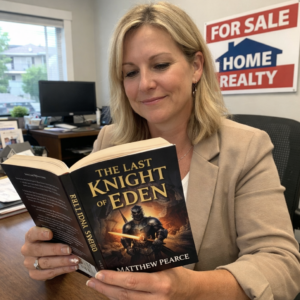
Why The Last Knight of Eden Is the Dark Fantasy Read Realtors Need Right Now 🏡⚔️

Realtor News for dark fantasy fiction

Realtors spend their days in a world that looks practical on the surface: contracts, showings, pricing, timelines, and negotiations. But anyone in the business knows real estate is never just about square footage. It is about people, pressure, timing, trust, fear, hope, and the stories attached to a place.

That is exactly why The Last Knight of Eden by Matthew Pearce is such a strong dark fantasy pick for a realtor.

On Matthew Pearce’s book page, the novel is described as a “dark, modern fantasy” centered on Ezra Thorne, a troubled teen pulled into ancient forces, secret orders, and a hidden world beneath London, where spoken scripture carries real power and danger. The story leans into hidden histories, reluctant leadership, and high-stakes decisions under pressure. For realtors, that combination lands in a surprisingly meaningful way.

This is not about reading a fantasy book to “escape” your work. It is about reading a story that sharpens the very instincts that make great real estate professionals great: reading people, staying calm under uncertainty, understanding what is beneath the surface, and leading others through emotionally loaded decisions.

Realtors Work in a Profession Built on More Than Transactions

A lot of people outside the industry still think a realtor is mostly there to unlock doors and move paperwork. That misses the point.

Real estate agents and brokers operate in a role that combines marketing, representation, legal awareness, negotiation, and client guidance through one of the biggest financial decisions of a person’s life. Even Wikipedia’s overview of real estate agents highlights the complexity of representation and the legal/documentation side of the work, and it also notes the difference between a generic real estate agent and the REALTOR® designation tied to NAR membership.

That matters, because The Last Knight of Eden is also a story about what a role really means. Ezra is not just “the chosen one” in a simple fantasy sense. He is pulled into responsibility before he feels ready, and he has to learn what power, discipline, and trust actually require. Pearce’s summary makes it clear the book deals with control, risk, and the burden of carrying something bigger than yourself.

Realtors live that every week.

Clients often come to a transaction emotionally overloaded. A great realtor becomes the steady voice in the middle of chaos. That emotional steadiness is one of the biggest reasons a dark fantasy like this can resonate. It reflects the reality that leadership often begins in uncertainty, not confidence.

The Book’s “Hidden World” Theme Mirrors What Great Realtors Do Every Day

One of the most compelling parts of The Last Knight of Eden is the hidden-world structure. Ezra disappears into underground tunnels, discovers an ancient order, and learns there is much more happening beneath the visible city than he ever imagined.

That is basically a realtor’s daily life, just without the monsters.

Great realtors are always looking beneath the surface:

  • what is happening in the neighborhood beyond the listing photos,

  • what a seller is not saying directly,

  • what a buyer is afraid of,

  • what timing issue is about to create a challenge,

  • what market shift is changing the whole tone of the deal.

The current housing market makes that skill even more valuable. The National Association of REALTORS® reported that existing-home sales fell 8.4% in January 2026, while inventory sat at 1.22 million units and median price reached $396,800. NAR also noted affordability improved for the seventh straight month. Meanwhile, Realtor.com’s coverage of the same NAR report emphasized that inventory and affordability improved slightly even as sales slowed.

That is a layered market. It is not a one-note environment.

A realtor reading The Last Knight of Eden will likely appreciate the same mental habit the novel rewards: look deeper, stay alert, and do not assume the first thing you see is the whole story.

For industry context, these are worth keeping in your rotation:

Dark Fantasy Builds the Mental Endurance Realtors Need in This Market

Realtors are not just selling homes. They are helping people make decisions in an environment shaped by affordability stress, mortgage-rate changes, and inventory limitations.

Freddie Mac’s Primary Mortgage Market Survey showed the 30-year fixed-rate mortgage averaging 6.01% as of February 19, 2026, down from 6.09% the week before and down from 6.85% a year earlier. That is movement in the right direction, but it is still a market where many clients feel tension.

The Mortgage Bankers Association also reported mortgage applications increased 2.8% for the week ending February 13, 2026, with refinance activity up, while purchase activity remained mixed. That kind of environment creates emotional whiplash for buyers and sellers. A client can go from hopeful to discouraged in a few days.

This is where dark fantasy helps more than people realize.

Dark fantasy is not fluffy. It trains your brain to sit with pressure, ambiguity, and consequence. The tone of The Last Knight of Eden—secret orders, dangerous power, mythic conflict beneath the modern world—creates a reading experience that strengthens focus and emotional stamina.

Realtors need that. They need stories that remind them:

  • uncertainty is survivable,

  • pressure can clarify character,

  • courage is often quiet,

  • the right words at the right time matter.

Pearce’s premise even centers on the power of spoken words. That detail is especially fitting for a realtor, because this profession is deeply verbal. Scripts, negotiations, reassurance, objection handling, expectation-setting, and hard conversations all depend on language. The wrong words can create fear. The right words can save a deal.

Helpful market tracking links for realtors:

Realtors Will Connect With the Book’s Themes of Trust, Risk, and Calling

The best realtors do not just “work a job.” They often feel a real calling to guide people through life transitions. That can sound dramatic to outsiders, but anyone who has helped a family relocate, a widow sell a longtime home, or a first-time buyer finally close knows it is true.

The Last Knight of Eden is built on calling.

Ezra is not comfortable, polished, or fully prepared. He is dealing with pain, self-doubt, and instability, yet he is still pulled into responsibility. He has to decide what to do with power before he fully understands it. He has to earn trust while others question him. Pearce’s page description frames this as a story where faith is dangerous, not gentle, and where hidden histories carry real consequences.

That is a powerful mirror for realtors, especially in a season where consumers need steadiness and honesty. NAR’s 2025 Profile of Home Buyers and Sellers highlighted that down payments remain high, with a median of 19% overall, including 10% for first-time buyers and 23% for repeat buyers. Those numbers reflect a market where clients are stretching, saving, and taking real risks.

A realtor who reads fiction like this is not “wasting time.” They are feeding the part of themselves that can handle responsibility with depth.

And there is another practical reason this matters: clients can feel whether you are burned out. Reading a strong, immersive novel can help reset your mind without shutting your professional instincts off. The Last Knight of Eden is the kind of book that gives you atmosphere, tension, and imagination while still engaging the same muscles you use at work—judgment, interpretation, patience, and courage.

More useful housing context sources:

It Also Reconnects Realtors With “Sense of Place,” Which Is the Heart of Great Selling

Real estate is about place. Not just property. Place.

That is one reason fantasy fiction can be so effective for people in this industry. The strongest fantasy stories make setting feel alive. The Last Knight of Eden does this through London, underground tunnels, cloisters, relics, and hidden sacred spaces beneath the visible city. Pearce’s summary makes the setting feel layered, ancient, and alive with consequence.

Realtors who read stories like that often come back to their work more tuned in to the emotional texture of neighborhoods, homes, and communities.

They notice more.
They describe homes better.
They market listings with stronger storytelling.
They connect buyers to place, not just features. ✨

That is a real competitive edge.

In a market where new-home sales and inventory conditions continue to shift, and buyers are carefully weighing affordability, the realtor who can tell the deeper story of a home still wins attention. Census data for the latest new residential sales release shows how closely the industry is watching inventory, months’ supply, and pricing changes. Numbers matter, but story still moves people.

Conclusion

The Last Knight of Eden is a great dark fantasy fiction read for a realtor because it speaks to the same core realities that define real estate at a high level: hidden layers, high stakes, trust, responsibility, and the power of words.

Matthew Pearce’s story offers more than entertainment. It offers a mental and emotional reset that still feels relevant to the work realtors do every day. It is dark, imaginative, and grounded in the kind of pressure-tested decision-making that real estate professionals know well.

For a realtor, this is the kind of novel that can sharpen instinct, refill emotional energy, and remind you why your work is never only about the transaction. It is about guiding people through uncertainty with clarity—and that makes The Last Knight of Eden a smart read for this season.
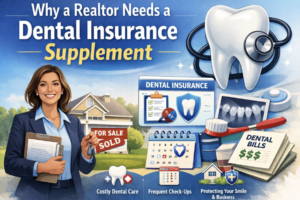

Why a Realtor Needs a Dental Insurance Supplement

Realtor News for Dental Insurance Supplement

A realtor lives on visibility, credibility, and consistency. This is a business built on conversations, showings, listing appointments, networking events, open houses, client lunches, video marketing, and last-minute meetings that can turn into signed contracts. In a profession where trust is built face to face, your smile is not a small detail. It is part of your brand.

That matters even more in today’s market. The real estate world has been under pressure from affordability challenges, shifting buyer demographics, brokerage movement, and a slower, more demanding sales environment. Recent reporting from the National Association of Realtors’ generational trends research, HousingWire’s coverage of agent movement, and Associated Press reporting on existing-home sales shows an industry where realtors are being asked to work harder for every deal, every referral, and every closing.

In a business climate like that, a dental insurance supplement is not just about teeth. It is about protecting your health, reducing surprise costs, supporting your image, and making sure one avoidable dental issue does not throw off your workflow, your confidence, or your income. A supplement can help bridge the gaps left by a standard dental plan, especially when your career depends on showing up polished, healthy, and ready.

Your Smile Is Part of Your Business Presence

A realtor is not hidden behind a desk all day. This profession is personal by nature. Clients notice how you carry yourself, how you communicate, and how confident you appear in person and on camera. A clean, healthy smile supports that presence in a very real way.

That may sound simple, but real estate is a relationship-first industry. Even the basic definition of a real estate agent reflects a role centered on representing people in property transactions, negotiations, and guidance through major life decisions. A realtor is often standing beside nervous first-time buyers, seasoned investors, relocating families, and sellers under pressure. In all of those moments, people are reading more than your words. They are reading your energy, your expression, and your level of self-assurance.

When dental problems creep in, confidence can take a hit quickly. Pain, sensitivity, visible issues, or even anxiety about the cost of treatment can make someone less likely to smile, less likely to volunteer for video, and less comfortable in close personal interactions. For a realtor, that is not a small private inconvenience. It can affect daily performance.

A dental insurance supplement helps protect against that by making it easier to say yes to care before a minor issue becomes a visible or expensive one. Instead of delaying treatment because the primary plan only covers part of the bill, a supplement can help reduce the financial hesitation that keeps many people from addressing problems early.

Realtors Often Carry Irregular Income, Which Makes Predictable Coverage Valuable

Many realtors do not earn on a neat salary schedule. Income can be strong one month and quiet the next. Closings move. Deals fall apart. Commission timing changes. In that kind of business, predictable health-related budgeting matters.

The broader housing market has not exactly been easy. The Associated Press reported that 2025 existing-home sales remained near a 30-year low, with affordability and mortgage-rate pressure continuing to limit activity. That means many agents are still working in an environment where every expense must be considered carefully.

A dental insurance supplement can create more stability in an unstable income cycle. Rather than being blindsided by a large out-of-pocket bill for periodontal work, fillings, crowns, or other care your core plan only partly covers, you may have another layer of support. That matters for self-employed realtors, team members on lean commission structures, and independent contractors who already manage their own taxes, marketing expenses, fuel, staging costs, and client entertainment budgets.

Dental insurance itself is designed to help pay a portion of dental costs, not always all of them, which is exactly why supplemental coverage can matter so much when larger treatments come up. The basic structure described in Wikipedia’s dental insurance overview helps explain why many people still face gaps even when they already have some dental coverage.

For a realtor, those gaps can feel especially disruptive because one untreated dental issue can quickly become a scheduling issue, a cash-flow issue, and a confidence issue all at once.

A Busy Realtor Cannot Afford Health Disruptions That Spill Into the Workday

Real estate rarely runs on a perfect schedule. It runs on client availability, lender timing, inspection surprises, negotiation windows, and late-night messages. That makes preventive care even more valuable.

A dental problem does not stay neatly contained. It can lead to missed appointments, reduced focus, lack of sleep, irritability, and lost momentum. If you are in the middle of a listing launch or showing schedule, even one painful dental problem can affect how you communicate and how much energy you bring into the room.

That ties directly into the growing conversation around wellness in real estate. Realtor Magazine has addressed burnout among agents, and Florida Realtors has highlighted the importance of mental wellness and resilience in a demanding business. Those conversations are important because the profession often glamorizes hustle while overlooking the strain that constant availability can create.

A dental insurance supplement fits into that wellness picture. It supports preventive action instead of reactive crisis management. It can make cleanings, diagnostics, and follow-up care feel more manageable, which lowers the chance that a dental issue grows into a larger interruption. For a realtor who is always in motion, fewer disruptions can mean better consistency with clients and better protection of income.

In a Competitive Industry, Professional Readiness Matters

The realtor landscape is shifting, and the people in it are adapting. HousingWire recently reported notable brokerage movement and continued competition around recruiting and retention. At the same time, NAR’s market and generational research shows that the buyer and seller mix keeps changing, which means agents must keep sharpening how they present themselves and serve different client groups.

When competition rises, little things begin to matter more. Professional photos matter more. Follow-up matters more. Video presence matters more. First impressions matter more. Personal readiness matters more.

A healthy smile supports all of that. It helps in listing presentations when you need to project calm confidence. It helps in community events where you are meeting future clients. It helps in social media videos, neighborhood tours, and brand photography. It helps when a deal gets stressful and your body language needs to reassure people that they are in good hands.

A dental insurance supplement is one of those behind-the-scenes tools that supports front-facing excellence. Clients may never know you have it, but they may absolutely feel the benefits of the care and confidence it helps protect.

Supplements Can Help Fill the Gaps Left by Standard Plans

Many people assume that if they have dental coverage, they are fully protected. That is often not the case. Standard dental plans may include waiting periods, annual maximums, limited coverage percentages, exclusions on certain procedures, or narrow provider structures. A supplemental option can sometimes help with those weak spots depending on the plan.

For a realtor, this matters because your need is not only clinical. It is also practical. You need a system that supports you quickly, predictably, and affordably enough that you do not postpone care.

Even alternatives like a dental discount plan exist because many people find that traditional coverage alone does not always meet the full need.

That does not mean every realtor needs the same supplement. Some may want stronger preventive support. Others may be more concerned about major restorative work. Some may need help with family coverage because they are balancing household health expenses while running a real estate business. The key point is that relying on a bare-minimum plan can leave a working realtor exposed to out-of-pocket costs that arrive at the worst possible time.

Dental Health Supports Long-Term Business Growth, Not Just Immediate Comfort

A realtor’s business is built over time. Referrals compound. Reputation compounds. Familiarity in the community compounds. Health habits work the same way.

When you stay on top of your dental health, you are investing in a part of your personal presentation that shows up in almost every client interaction. You are also reducing the odds of bigger expenses later. That matters in a profession where business owners are constantly deciding where to put money for the greatest return.

There is also a bigger mindset shift here. Realtors readily invest in signage, staging, CRM tools, photography, lead generation, and continuing education because those things help the business grow. A dental insurance supplement belongs in that same conversation. It supports the person behind the brand.

In an industry facing slower sales, affordability pressure, and rising demands on agent adaptability, protecting your own readiness is a smart move. It is not indulgent. It is practical. The market may be unpredictable, but taking care of the face, health, and confidence you bring into that market is something you can control.

Conclusion

A realtor needs a dental insurance supplement because this career depends on more than licenses and listings. It depends on presence, confidence, consistency, and the ability to keep showing up at a high level. When your smile is part of your first impression and your health affects your energy, dental protection becomes a business decision as much as a personal one.

In a demanding real estate environment, a supplement can help reduce surprise costs, encourage preventive care, support your professional image, and protect your momentum when every client interaction counts. For the realtor who wants to stay sharp, polished, and prepared, a dental insurance supplement is not an extra luxury sitting on the side. It is a practical layer of protection for the person who makes the business work.

Key West Realtors Don’t Need “More Work” — They Need Bookkeeping That Protects Their Income 🧾🌴

Real Estate News for Bookkeeping Key West

A Key West Realtor lives in a market that moves on its own rhythm. Tourism cycles, second-home demand, limited inventory, insurance shifts, interest-rate headlines, and sudden bursts of buyer activity can all collide in the same month. When the market is loud, it is easy to focus on showings, offers, inspections, and closings while the back office quietly slips behind.

That is exactly why Bookkeeping Key West matters. Not as a boring admin task, but as a practical system that keeps a Realtor profitable, tax-ready, and calm even when the market is anything but calm. Real estate is “hyperlocal,” and so is the math behind a thriving real estate business in the Keys.

The Key West Real Estate Business Has Unique Cashflow Pressure 🌊

Real estate income is rarely smooth. A Realtor can do weeks of work and still wait for the single event that triggers payment: a closing. That delay creates a specific kind of financial stress because expenses keep running while commissions arrive in batches.

In a place like Key West, seasonality can add another layer. Marketing, staging, photography, signs, gas, parking, association dues, lockboxes, software subscriptions, client gifts, and transaction tools all stack up while income remains “lumpy.” Strong bookkeeping turns that lumpy income into a plan: it shows what is truly available, what needs to be reserved, and what can be reinvested with confidence.

When national housing indicators swing, the timing of closings and buyer demand can swing with them. Trade outlets and industry sources regularly track these changes, including pending-sales trends and broader outlooks.

Bookkeeping Helps You Run a Commission Pipeline Like a Real Business 💼

A real estate pipeline is not just leads and follow-ups. It is also future revenue, future expenses, and future tax obligations. Without clean bookkeeping, it is easy to confuse “busy” with “profitable.”

Bookkeeping Key West supports a Realtor by clearly separating:

  • Revenue received (commissions that already hit the account)

  • Revenue expected (closings scheduled, commissions projected)

  • Revenue at risk (deals that might fall apart, concessions, credits)

  • True cost of doing business (what it takes to generate and close deals)

This visibility helps a Realtor decide what to say yes to. It helps you budget marketing during slow weeks without draining reserves. It helps you hire help at the right time instead of too early or too late. It also helps you avoid the common trap of reinvesting based on feelings instead of numbers.

Tax Time Stops Being a Panic Event 🧠✨

Many Realtors operate as independent contractors, and the tax burden can feel heavier when it is not automatically withheld from each check. Good bookkeeping keeps taxes from becoming a surprise by tracking income consistently and maintaining clean categories for deductible expenses.

When your books are organized month-to-month, tax planning becomes proactive instead of reactive. Your quarterly estimates are easier to calculate. Your deductions are better documented. Your CPA gets clean reports instead of a pile of statements and screenshots. That saves money, time, and stress.

Bookkeeping also helps you build a consistent paper trail, which matters because real estate pros handle high-value transactions and often have complex expense patterns. A clear business record is an asset.

For background context on the role and structure of real estate representation, this reference provides a helpful baseline. 📌 Real estate agent (Wikipedia)

Expenses in Real Estate Are Easy to Underestimate, Easy to Miss 📉

A Realtor’s expenses are not always obvious. Many are small, frequent, and spread across multiple platforms. If those items are not captured and categorized correctly, profit gets understated and tax deductions get lost.

Bookkeeping Key West supports accurate tracking for items such as:

  • MLS and association dues

  • Marketing and ad spend

  • Photography, videography, drone work

  • Staging and vendor coordination costs

  • Business mileage, parking, and tolls

  • Client experience spending (closing gifts, events, referrals)

  • Software, CRMs, transaction platforms, phone tools

  • Education, licensing, and continuing requirements

Clean books protect the “real” margin on each deal. They also reveal which marketing channels are paying off and which ones are quietly draining the budget.

Market Data Becomes Useful When Your Numbers Are Equally Clear 📊

Real estate professionals watch the market closely, and major outlets publish housing data constantly. That information becomes far more powerful when a Realtor can compare it to their own business metrics.

For example, widely tracked housing data series like the median sales price of houses sold can provide context for commission expectations, pricing strategy conversations, and planning. 📈 Median Sales Price of Houses Sold (FRED)

Broader research also highlights how housing wealth and price changes can ripple into spending and activity across the economy. 🏡 Dallas Fed: Real-time house price model

Inventory dynamics matter too, and real estate news regularly reports on shifts between buyers and sellers and what that can mean for pricing pressure. 📰 Investopedia housing market coverage

When a Realtor has strong bookkeeping, market headlines stop being noise. They become decision tools.

Clean Books Support Compliance, Lending, and Big Next Moves 🧩

Bookkeeping is not only for taxes. It is also for credibility and optionality.

Clean financials help when a Realtor wants to:

  • Qualify for a mortgage as a self-employed borrower

  • Apply for business credit or financing

  • Document income for a rental or investment purchase

  • Bring on a team member, VA, or transaction coordinator

  • Track profitability by neighborhood, price point, or lead source

  • Prepare for an entity change (LLC, S-Corp election, team growth)

A Realtor’s future options expand when documentation is strong. That is especially valuable in real estate, where opportunities appear quickly and the best moves are often time-sensitive.

Local Bookkeeping Matters Because Key West Is Its Own World 🌺

Bookkeeping Key West is not just about hiring someone who can “do books.” It is about hiring someone who understands the pace and patterns of a Key West real estate business: seasonality, local vendor ecosystems, the volume of small transactions, and the realities of commission-based income.

A local-aware bookkeeper is also more likely to build categories and reporting that match how Realtors actually operate, making the reports readable and actionable. The goal is clarity you can use, not spreadsheets you avoid.

Real Estate News Changes Fast, and Your Back Office Has to Keep Up 🗞️

Real estate is affected by interest rates, consumer confidence, inventory, construction trends, and policy shifts. Even the biggest real estate news outlets cover the category as a constant stream because conditions evolve quickly.

Industry reading lists like these provide ongoing context for what is changing and what professionals are watching:

When the external market moves, internal financial visibility becomes even more important. Bookkeeping is what makes that visibility possible.

Conclusion: Bookkeeping Key West Protects Profit, Peace, and Growth 🌴✅

A Key West Realtor can be excellent at sales and still feel financial stress when bookkeeping is inconsistent. The business can look successful on the outside while the inside feels uncertain: unpredictable cashflow, unclear profit, scattered deductions, and tax-time anxiety.

Bookkeeping Key West turns real estate activity into real financial control. It helps a Realtor keep more of what they earn, plan with confidence, make smarter growth decisions, and stay ready for the next opportunity. In a market as dynamic and distinctive as Key West, clean books are not a luxury. They are part of what makes the business sustainable, scalable, and steady.

Power, Safety, and Resale Value: Why Realtors Love 20 Amp Circuit Breakers 🏡

Realtor News for 20 amp circuit breaker

When buyers walk through a home, they notice the big things first: the kitchen, the flooring, the natural light. Behind the walls, though, something just as important is quietly influencing their decision. The electrical system, including simple components like a 20 amp circuit breaker, can help a home feel modern, safe, and ready for real life.

Realtors know that future homeowners do not want surprises after closing. A home that trips breakers every time someone makes coffee and runs the microwave, or one that struggles to support a home office or new appliances, quickly becomes a source of frustration. Suggesting 20 amp circuit breakers for key circuits is one small but meaningful way agents help buyers think long term about comfort, safety, and future value.

In today’s market, where buyers care more than ever about energy efficiency, smart technology, and long-term operating costs, the electrical panel now plays a bigger role in the story of the home. For that reason, many realtors encourage sellers and future homeowners to pay attention not just to square footage and finishes, but to the amps behind the outlets. 🔌

How Realtors Look at Electrical Systems During a Listing

Realtors sit at the intersection of lifestyle, safety, and investment. Their role is not just to unlock doors; they guide buyers and sellers through complex decisions that impact their finances and day-to-day comfort. Industry overviews like Real estate agent describe how agents and brokers are licensed to represent clients and manage the many details of a transaction, including helping them understand the condition of a home. Wikipedia

During a typical home purchase, the electrical system shows up in several places. The listing description may highlight “updated electrical” or “modern panel.” The home inspection report almost always includes a dedicated section on wiring, panel capacity, and breaker condition, as trade publications and real estate platforms frequently remind their readers. Articles on home inspections in real estate media emphasize the importance of identifying outdated or unsafe systems and highlight that electrical issues are some of the most common findings in inspections. RealtyBizNews+1

When an inspector calls out undersized circuits, overused multi-plug strips, or frequent tripping, those findings can become negotiation points. Realtors know that if they can point to properly sized 20 amp circuits serving key areas, they can help calm buyer concerns, reassure lenders, and keep the deal moving smoothly.

The Basics of a 20 Amp Circuit Breaker in Today’s Homes

A 20 amp circuit breaker is designed to safely handle up to 20 amps of current on a branch circuit. In modern homes, many general-purpose circuits are 15 amps, while 20 amp circuits are often used for areas with higher demand, such as kitchens, dining rooms, laundry areas, and sometimes home offices or workshops. The higher capacity gives more breathing room before a breaker trips due to normal, everyday use.

Realtors are not electricians, but they understand how to translate this technical detail into buyer-friendly language. A properly designed panel that includes ample 20 amp circuits signals that the home is ready for the demands of today’s living. It suggests that the previous owner or builder planned for more than just the bare minimum, which matters when buyers rely on multiple devices, larger televisions, powerful vacuums, gaming systems, and more.

From the agent’s perspective, a home with a mix of 20 amp circuits where they matter most feels “move-in ready.” Instead of planning immediate electrical upgrades, buyers are free to focus on the fun part of homeownership: furniture, decor, and creating memories. That peace of mind can make the difference between a hesitant offer and a confident one.

Safety First: Reducing Risk and Nuisance Trips

Safety is one of the biggest reasons realtors suggest paying attention to 20 amp circuit breakers. Electrical overloads generate heat, which can damage wiring and, in worst-case scenarios, contribute to fire risk. Home inspection and risk-management resources commonly point out that electrical issues rank high among the most frequent problems uncovered during inspections, underscoring why panels and breakers deserve careful attention. Working RE Magazine

When circuits are undersized for how people actually live, homeowners are more likely to plug multiple high-draw devices into one outlet, overuse extension cords, or rely on power strips as permanent solutions. A 20 amp breaker serving circuits properly wired and sized for that load helps reduce nuisance trips when multiple appliances run at the same time. It encourages safer usage patterns and makes it less tempting to “cheat” with risky workarounds.

For realtors, a home that passes inspection with no serious electrical concerns is easier to sell and easier to defend if a buyer later raises questions about safety. Emphasizing adequate 20 amp circuits positions the property as a safer, more thoughtfully designed option, especially when compared to older homes that may still rely on outdated wiring or obsolete panels.

Energy Efficiency, Smart Homes, and Modern Buyer Expectations

Modern buyers care about more than just whether the lights turn on. They pay attention to energy efficiency, smart home features, and long-term costs, and they rely on their realtors to help them evaluate those factors. The National Association of Realtors has highlighted rising interest in sustainable and energy-efficient home features, reporting that buyers increasingly look for upgrades that provide financial savings and better performance over time in its news release Homebuyers Interest in Energy Efficiency Is Increasing. NAR Realtor

A robust electrical backbone supports this shift. Energy-efficient heat pumps, induction ranges, high-efficiency dryers, EV chargers, and modern HVAC controls all demand reliable power. While a 20 amp breaker alone does not make a home “green,” it is part of the capacity picture that allows owners to install efficient equipment without immediately overloading the system.

Real estate and housing news outlets regularly note how buyers are embracing sustainability and practical upgrades over purely luxury finishes. For example, reports like Homebuyers Embrace Sustainability, Efficiency in 2025 highlight buyers prioritizing smart, efficient, and future-ready features. HousingWire A panel with adequate 20 amp circuits fits neatly into that narrative. It shows that the home can handle smart thermostats, networked lighting, and efficient appliances that operate reliably day after day.

Resale Value and Marketing Power for Future Homeowners

Realtors also think ahead to the day when today’s buyer eventually becomes tomorrow’s seller. An electrical system with sufficient 20 amp circuits now will still be a selling point later, particularly as electrical demands continue to rise.

When agents write listing descriptions, “updated electrical panel,” “modern wiring,” or “ample power for today’s technology” become strong bullet points. Buyers may not understand every technical detail, but they understand the value of a home that works with their lifestyle. Real estate media and industry publications often advise agents to highlight upgrades that boost perceived value and reduce future maintenance worries, including electrical improvements. HousingWire

A home that does not need immediate electrical upgrades can command stronger offers, face fewer repair credits after inspection, and appeal to more buyers. Adding or confirming 20 amp circuits to key areas can be one of the most cost-effective improvements a seller makes before going on the market, and realtors are quick to point this out. The buyer benefits twice: first as a new homeowner enjoying reliable power, and later as a seller with a more attractive property.

Practical Everyday Scenarios Where 20 Amp Circuits Shine

Realtors have countless stories from clients who discovered the limits of an undersized electrical system. While names and specifics change, the themes stay the same. Someone starts a home-based business with multiple monitors, a laser printer, and charging stations for several devices. Another homeowner installs a high-powered vacuum, a treadmill, or a portable air conditioner in a room that already serves as a home office or guest space.

In these real-world situations, 15 amp circuits can become strained, especially in older homes never designed for today’s load. A correctly wired 20 amp circuit, on the other hand, offers more margin. It supports combinations like microwave plus toaster, or gaming console plus big-screen television plus sound system, without constant tripping. This is exactly the kind of lived experience that realtors try to anticipate when advising clients.

Real estate professionals keep one eye on long-term trends, too. Articles aimed at agents and builders sometimes emphasize how homes must adapt to a growing mix of buyers, from remote workers to multigenerational families, all sharing the same electrical infrastructure. HousingWire A home with robust circuits today can flex more easily if the family’s needs evolve or new technology becomes standard.

Realtors, Inspectors, and Electricians Working as a Team

When a realtor suggests that future homeowners consider 20 amp circuit breakers, they are not trying to act as the electrician. They are acting as the connector, encouraging the buyer to get more detailed guidance from licensed professionals. Industry news outlets remind agents that advising on upgrades, including electrical improvements, should go hand in hand with recommending qualified inspectors and contractors rather than do-it-yourself solutions. Articles like 6 Tips for Upgrading a Home’s Electrical System stress the importance of proper permitting and inspection for any significant electrical work. Inman

In a well-run transaction, the realtor raises the issue of electrical capacity, the inspector documents the current condition and any limitations, and the electrician explains options and costs. Together, they help the buyer decide whether adding or confirming 20 amp circuits makes sense now, at closing, or as part of a future improvement plan. That teamwork protects everyone involved and supports a smoother, safer ownership experience.

Why a 20 Amp Circuit Breaker Is a Smart Ask From Your Realtor ⚡

For future homeowners, the choice to pay attention to a 20 amp circuit breaker is ultimately about quality of life. A home that supports the way people genuinely live, work, cook, and relax will feel more comfortable and less stressful from day one. Fewer tripped breakers, more flexibility with appliances and devices, and greater confidence in safety all flow from having circuits that match modern demand.

Realtors suggest 20 amp circuit breakers because they understand both the market and the way homes are used today. Highlighting these details helps buyers avoid unpleasant surprises, aligns with growing interest in efficiency and sustainability, and strengthens the story they will one day tell when they sell the home themselves.

Behind every glowing light fixture and humming appliance stands a small row of breakers doing quiet, essential work. When those breakers include 20 amp circuits in the right places, homeowners gain a safer, more capable, and more future-proof home. That is exactly the kind of advantage a good realtor wants for every client, and exactly why this seemingly simple detail continues to matter so much in real estate conversations.

Why a Nashville Realtor Would Need a Tree Expert Witness 🌳

Realtor News for Tree Expert Witness Nashville

When you think of real estate in Nashville, you might picture charming neighborhoods shaded by hundred-year-old oaks, new builds nestled among maples, or rolling lots lined with evergreens. Trees are part of the Music City landscape—and they’re not just beautiful; they’re valuable. For realtors, a tree can mean the difference between a property that sells and one that sits. But when disputes arise over property lines, damage, or disclosure, a Tree Expert Witness becomes an essential ally in protecting both the realtor and their client.

Understanding the Role of a Tree Expert Witness

A Tree Expert Witness is not your average arborist. These professionals are Certified Arborists who specialize in providing objective, court-ready opinions in matters involving trees—such as boundary disputes, property damage, construction impacts, and negligence claims. Their job is to evaluate, document, and testify about the condition, value, and cause of tree-related issues. In Nashville’s fast-growing real estate market, where urban development and mature landscapes often collide, their insight can save thousands of dollars—and a realtor’s reputation.

Realtors operate at the crossroads of property law, disclosure, and negotiation. A single question about who owns a tree, who caused its decline, or whether it poses a safety risk can derail a deal. With an expert witness involved early, realtors can move forward with confidence, backed by professional documentation and unbiased assessment.

Protecting Property Value and Curb Appeal

Nashville homes are often marketed with words like “shaded backyard” or “mature landscaping.” Those trees aren’t just selling points—they’re assets. According to Realtor Magazine, well-maintained trees can increase property value by up to 15%. But when those same trees are diseased, overgrown, or threatening a structure, that value can plummet.

A Tree Expert Witness helps establish the monetary value of trees through detailed appraisals using industry-standard methods like the Guide for Plant Appraisal (by the Council of Tree and Landscape Appraisers). This valuation can be critical when trees are damaged by storms, neighboring construction, or even illegal removal. For a realtor, having expert evidence of a tree’s worth gives credibility to negotiations, insurance claims, or property disclosures.

Resolving Boundary and Ownership Disputes

Property boundaries in older Nashville neighborhoods aren’t always clear, and trees have a way of blurring those lines. When a large oak straddles two properties—or roots extend beneath a neighbor’s driveway—disputes can quickly escalate. Realtors caught between buyers and sellers in these scenarios need clarity fast.

That’s where a Tree Expert Witness steps in. By examining the tree’s growth patterns, trunk location, and root spread, they can determine ownership and potential liability. In cases where a neighbor accuses a seller of encroachment or damage, expert documentation can prevent lawsuits and ensure a smooth closing.

As Inman notes, realtors are increasingly expected to guide clients through complex legal and environmental factors. Bringing in a Tree Expert Witness shows due diligence, professionalism, and care for all parties involved.

Disclosure and Liability Protection for Realtors

Tennessee law requires realtors and property owners to disclose known material defects—including those related to trees. A decaying tree near a home’s foundation, a leaning pine threatening power lines, or hidden root damage can all qualify as material risks. Failing to disclose these conditions could lead to post-sale litigation or license risk.

A Tree Expert Witness provides comprehensive inspection reports that document a tree’s health, risk factors, and maintenance recommendations. These reports not only support compliance with state disclosure laws but also protect the realtor from accusations of negligence. When presented during a sale, the report reassures buyers and mitigates future liability.

The National Association of Realtors advises agents to rely on certified experts when dealing with structural or environmental issues outside their expertise. Tree-related concerns fall squarely into that category.

Helping in Development and Renovation Projects

Nashville’s real estate market continues to thrive, with new developments springing up across the city. Realtors often work alongside builders, architects, and investors during pre-sale or post-purchase improvements. Unfortunately, construction activity can severely impact tree health through root compaction, grade changes, or improper pruning.

A Tree Expert Witness evaluates potential construction impacts before work begins and can testify to damages afterward if disputes arise. Their assessments help developers comply with city tree preservation ordinances and avoid penalties for unauthorized removal. Realtors who understand the importance of preserving valuable trees can better market eco-friendly properties and demonstrate long-term vision to clients.

Supporting Litigation and Mediation

Sometimes, disputes over trees make their way into court. Common scenarios include claims of root damage, storm damage liability, or trespass-related removal. Realtors may be subpoenaed for testimony, or their transactions may come under scrutiny.

In such cases, a Tree Expert Witness provides factual, unbiased testimony that stands up in court. They can explain the biological, environmental, and economic aspects of a tree issue clearly and professionally—helping resolve cases efficiently. Their involvement often prevents exaggerated claims or unnecessary legal exposure for the realtor.

According to RISMedia, the most successful real estate professionals are those who build strong networks of trusted experts—from appraisers to environmental consultants. Adding a Tree Expert Witness to that circle is a smart, protective move.

Enhancing Realtor Reputation and Client Trust

Reputation is everything in real estate. Clients remember when a realtor goes above and beyond to safeguard their interests. Recommending a Tree Expert Witness demonstrates commitment to transparency, professionalism, and long-term value.

For sellers, it means preventing future legal headaches. For buyers, it means confidence in what they’re purchasing. And for realtors, it means trust that lasts beyond closing day. In a city like Nashville, where every home has its own story—and often its own trees—that kind of trust builds referrals and repeat business.

Conclusion: Protecting Roots and Relationships 🌿

Nashville’s beauty lies in its harmony between growth and nature. As the skyline rises and neighborhoods evolve, trees remain at the heart of what makes the city livable—and valuable. For realtors, understanding their significance is not just good marketing—it’s smart risk management.

Hiring a Tree Expert Witness Nashville ensures that every transaction stands on solid ground, backed by evidence, compliance, and professionalism. Whether resolving disputes, preserving property value, or ensuring proper disclosure, these experts bring clarity where uncertainty once stood.

For Nashville realtors ready to protect both their clients and their careers, it’s time to partner with a certified authority.

Navigation