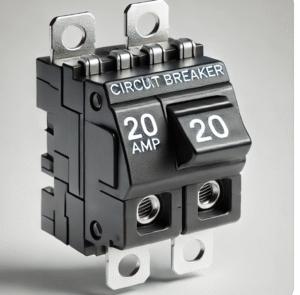
When buyers walk through a home, they notice the big things first: the kitchen, the flooring, the natural light. Behind the walls, though, something just as important is quietly influencing their decision. The electrical system, including simple components like a 20 amp circuit breaker, can help a home feel modern, safe, and ready for real life.
Realtors know that future homeowners do not want surprises after closing. A home that trips breakers every time someone makes coffee and runs the microwave, or one that struggles to support a home office or new appliances, quickly becomes a source of frustration. Suggesting 20 amp circuit breakers for key circuits is one small but meaningful way agents help buyers think long term about comfort, safety, and future value.
In today’s market, where buyers care more than ever about energy efficiency, smart technology, and long-term operating costs, the electrical panel now plays a bigger role in the story of the home. For that reason, many realtors encourage sellers and future homeowners to pay attention not just to square footage and finishes, but to the amps behind the outlets. 🔌
How Realtors Look at Electrical Systems During a Listing
Realtors sit at the intersection of lifestyle, safety, and investment. Their role is not just to unlock doors; they guide buyers and sellers through complex decisions that impact their finances and day-to-day comfort. Industry overviews like Real estate agent describe how agents and brokers are licensed to represent clients and manage the many details of a transaction, including helping them understand the condition of a home. Wikipedia
During a typical home purchase, the electrical system shows up in several places. The listing description may highlight “updated electrical” or “modern panel.” The home inspection report almost always includes a dedicated section on wiring, panel capacity, and breaker condition, as trade publications and real estate platforms frequently remind their readers. Articles on home inspections in real estate media emphasize the importance of identifying outdated or unsafe systems and highlight that electrical issues are some of the most common findings in inspections. RealtyBizNews+1
When an inspector calls out undersized circuits, overused multi-plug strips, or frequent tripping, those findings can become negotiation points. Realtors know that if they can point to properly sized 20 amp circuits serving key areas, they can help calm buyer concerns, reassure lenders, and keep the deal moving smoothly.
The Basics of a 20 Amp Circuit Breaker in Today’s Homes
A 20 amp circuit breaker is designed to safely handle up to 20 amps of current on a branch circuit. In modern homes, many general-purpose circuits are 15 amps, while 20 amp circuits are often used for areas with higher demand, such as kitchens, dining rooms, laundry areas, and sometimes home offices or workshops. The higher capacity gives more breathing room before a breaker trips due to normal, everyday use.
Realtors are not electricians, but they understand how to translate this technical detail into buyer-friendly language. A properly designed panel that includes ample 20 amp circuits signals that the home is ready for the demands of today’s living. It suggests that the previous owner or builder planned for more than just the bare minimum, which matters when buyers rely on multiple devices, larger televisions, powerful vacuums, gaming systems, and more.
From the agent’s perspective, a home with a mix of 20 amp circuits where they matter most feels “move-in ready.” Instead of planning immediate electrical upgrades, buyers are free to focus on the fun part of homeownership: furniture, decor, and creating memories. That peace of mind can make the difference between a hesitant offer and a confident one.
Safety First: Reducing Risk and Nuisance Trips
Safety is one of the biggest reasons realtors suggest paying attention to 20 amp circuit breakers. Electrical overloads generate heat, which can damage wiring and, in worst-case scenarios, contribute to fire risk. Home inspection and risk-management resources commonly point out that electrical issues rank high among the most frequent problems uncovered during inspections, underscoring why panels and breakers deserve careful attention. Working RE Magazine
When circuits are undersized for how people actually live, homeowners are more likely to plug multiple high-draw devices into one outlet, overuse extension cords, or rely on power strips as permanent solutions. A 20 amp breaker serving circuits properly wired and sized for that load helps reduce nuisance trips when multiple appliances run at the same time. It encourages safer usage patterns and makes it less tempting to “cheat” with risky workarounds.
For realtors, a home that passes inspection with no serious electrical concerns is easier to sell and easier to defend if a buyer later raises questions about safety. Emphasizing adequate 20 amp circuits positions the property as a safer, more thoughtfully designed option, especially when compared to older homes that may still rely on outdated wiring or obsolete panels.
Energy Efficiency, Smart Homes, and Modern Buyer Expectations
Modern buyers care about more than just whether the lights turn on. They pay attention to energy efficiency, smart home features, and long-term costs, and they rely on their realtors to help them evaluate those factors. The National Association of Realtors has highlighted rising interest in sustainable and energy-efficient home features, reporting that buyers increasingly look for upgrades that provide financial savings and better performance over time in its news release Homebuyers Interest in Energy Efficiency Is Increasing. NAR Realtor
A robust electrical backbone supports this shift. Energy-efficient heat pumps, induction ranges, high-efficiency dryers, EV chargers, and modern HVAC controls all demand reliable power. While a 20 amp breaker alone does not make a home “green,” it is part of the capacity picture that allows owners to install efficient equipment without immediately overloading the system.
Real estate and housing news outlets regularly note how buyers are embracing sustainability and practical upgrades over purely luxury finishes. For example, reports like Homebuyers Embrace Sustainability, Efficiency in 2025 highlight buyers prioritizing smart, efficient, and future-ready features. HousingWire A panel with adequate 20 amp circuits fits neatly into that narrative. It shows that the home can handle smart thermostats, networked lighting, and efficient appliances that operate reliably day after day.
Resale Value and Marketing Power for Future Homeowners
Realtors also think ahead to the day when today’s buyer eventually becomes tomorrow’s seller. An electrical system with sufficient 20 amp circuits now will still be a selling point later, particularly as electrical demands continue to rise.
When agents write listing descriptions, “updated electrical panel,” “modern wiring,” or “ample power for today’s technology” become strong bullet points. Buyers may not understand every technical detail, but they understand the value of a home that works with their lifestyle. Real estate media and industry publications often advise agents to highlight upgrades that boost perceived value and reduce future maintenance worries, including electrical improvements. HousingWire
A home that does not need immediate electrical upgrades can command stronger offers, face fewer repair credits after inspection, and appeal to more buyers. Adding or confirming 20 amp circuits to key areas can be one of the most cost-effective improvements a seller makes before going on the market, and realtors are quick to point this out. The buyer benefits twice: first as a new homeowner enjoying reliable power, and later as a seller with a more attractive property.
Practical Everyday Scenarios Where 20 Amp Circuits Shine
Realtors have countless stories from clients who discovered the limits of an undersized electrical system. While names and specifics change, the themes stay the same. Someone starts a home-based business with multiple monitors, a laser printer, and charging stations for several devices. Another homeowner installs a high-powered vacuum, a treadmill, or a portable air conditioner in a room that already serves as a home office or guest space.
In these real-world situations, 15 amp circuits can become strained, especially in older homes never designed for today’s load. A correctly wired 20 amp circuit, on the other hand, offers more margin. It supports combinations like microwave plus toaster, or gaming console plus big-screen television plus sound system, without constant tripping. This is exactly the kind of lived experience that realtors try to anticipate when advising clients.
Real estate professionals keep one eye on long-term trends, too. Articles aimed at agents and builders sometimes emphasize how homes must adapt to a growing mix of buyers, from remote workers to multigenerational families, all sharing the same electrical infrastructure. HousingWire A home with robust circuits today can flex more easily if the family’s needs evolve or new technology becomes standard.
Realtors, Inspectors, and Electricians Working as a Team
When a realtor suggests that future homeowners consider 20 amp circuit breakers, they are not trying to act as the electrician. They are acting as the connector, encouraging the buyer to get more detailed guidance from licensed professionals. Industry news outlets remind agents that advising on upgrades, including electrical improvements, should go hand in hand with recommending qualified inspectors and contractors rather than do-it-yourself solutions. Articles like 6 Tips for Upgrading a Home’s Electrical System stress the importance of proper permitting and inspection for any significant electrical work. Inman
In a well-run transaction, the realtor raises the issue of electrical capacity, the inspector documents the current condition and any limitations, and the electrician explains options and costs. Together, they help the buyer decide whether adding or confirming 20 amp circuits makes sense now, at closing, or as part of a future improvement plan. That teamwork protects everyone involved and supports a smoother, safer ownership experience.
Why a 20 Amp Circuit Breaker Is a Smart Ask From Your Realtor ⚡
For future homeowners, the choice to pay attention to a 20 amp circuit breaker is ultimately about quality of life. A home that supports the way people genuinely live, work, cook, and relax will feel more comfortable and less stressful from day one. Fewer tripped breakers, more flexibility with appliances and devices, and greater confidence in safety all flow from having circuits that match modern demand.
Realtors suggest 20 amp circuit breakers because they understand both the market and the way homes are used today. Highlighting these details helps buyers avoid unpleasant surprises, aligns with growing interest in efficiency and sustainability, and strengthens the story they will one day tell when they sell the home themselves.
Behind every glowing light fixture and humming appliance stands a small row of breakers doing quiet, essential work. When those breakers include 20 amp circuits in the right places, homeowners gain a safer, more capable, and more future-proof home. That is exactly the kind of advantage a good realtor wants for every client, and exactly why this seemingly simple detail continues to matter so much in real estate conversations.